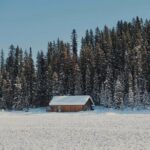
Winter Canada, minus the guesswork on the ice. I love how this day strings together Lake Louise and Johnston Canyon so you get real time on the big frozen photo moments. I also like that winter essentials like crampons and hot drinks are included when conditions call for them. The one catch: it’s an 8-hour day, so you’ll trade deep roaming for a packed, well-timed route.
What really sells it is the human factor. I’ve heard guides like Kenneth, Ken, Patrick, Wing, Way, and William called out for being kind, funny, and clear about what you’re looking at, plus one person even praised how easy it was to get answers when planning. With a maximum group size of 14, the ride stays friendly, not chaotic.
In This Review
- Why This Tour Works: Big Rockies Hits Without the Car Stress
- Morning Route From Calgary, Canmore, or Banff
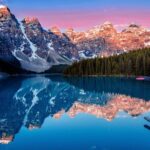
- Lake Louise in Winter: Time for the Turquoise Icon
- Moraine Lake: Seasonal Magic and a Reality Check
- Johnston Canyon in Winter: Frozen Falls, Blue Ice, and a Cave Moment
- Vermilion Lakes: Reflections You Can Actually Get to
- Banff Upper Hot Springs: The 1-Hour Reset
- Town of Banff: A Real Break for Food, Shops, and People-Watching
- Guides and the Small-Group Advantage (Max 14)
- Price and Value: What You’re Really Paying For
- Winter Packing Checklist That Actually Helps
- Who This Tour Fits Best (And Who Might Want Something Else)
- Should You Book the Lake Louise, Moraine Lake, Johnston Canyon, and Hot Springs Tour?
- FAQ
- What time does the tour start?
- How long is the tour?
- Where does the tour start and where does it end?
- What’s included in the ticket price?
- What isn’t included?
- Is Moraine Lake guaranteed?
- What should I expect for Johnston Canyon in winter?
- How big is the group?
Why This Tour Works: Big Rockies Hits Without the Car Stress
If you’re short on time (or you don’t want to fight winter roads), this kind of day tour is pure convenience. You start early, get picked up from Calgary, Canmore, or Banff, and then you’re handed a route that hits the main-ticket sights in Banff National Park area. You don’t have to coordinate parking, shuttles, or timing between far-flung stops.
And the best part is how well the itinerary fits winter reality. Johnston Canyon isn’t just “pretty.” In winter it becomes an ice-walk experience with frozen waterfalls and a trail through a cave area to see iconic blue-ice pillars. Lake Louise, meanwhile, turns into a postcard with a glacial lake under a mountain backdrop, and the day’s schedule gives you a solid chunk of time right there.
The vibe you should expect is scenic and practical. You’ll be outdoors, moving between viewpoints, and relying on what the guide cues you into. This is not the day for wandering off on your own for hours. It’s a focused tour day with a smooth backbone.
Morning Route From Calgary, Canmore, or Banff
The day begins with a pickup around 7:30 am and runs about 8 hours total. That timing matters because winter light changes fast, and the operator clearly builds the route to see the key sights before crowds and cold fatigue pile up.
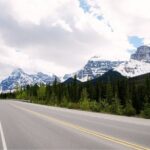
On the drive, you’ll pass Castle Mountain, which forms part of Banff National Park. The “castle-like” look comes from erosion patterns, and it’s one of those roadside stops that you appreciate more when someone points out what you’re actually seeing.
From a value standpoint, the transportation is part of the deal: you get an air-conditioned vehicle, bottled water, and (in winter) hot drinks. That means you can keep your focus on the scenery instead of rationing snacks and hunting for where to buy a drink.
You can also read our reviews of more tours and experiences in Canmore.
Lake Louise in Winter: Time for the Turquoise Icon
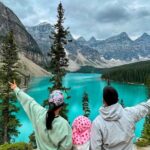
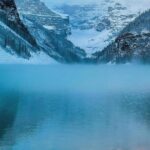
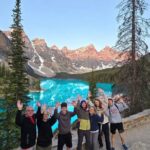
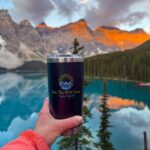
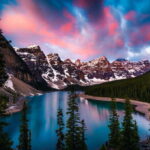
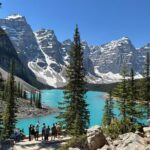
Lake Louise is a glacial lake in Banff National Park, famous for vivid turquoise water in classic seasons. In winter, that same setting shifts into a snowy, icy wonderland. Even if you’ve seen the images a dozen times, being there in cold weather changes the feel—everything looks sharper, and the mountain backdrop feels closer.
You get about 1 hour at Lake Louise, and the admission ticket is listed as free. That’s enough time to:
- Walk out to key viewpoints
- Pause for photos from a couple different angles
- Take in the glacier-and-mountain composition without feeling rushed every minute
Practical note: winter footing matters. The tour supplies crampons in winter, which signals that conditions can get slick on the ground. Wear footwear that can handle ice and allow crampons to sit properly if they’re part of your stop.
Moraine Lake: Seasonal Magic and a Reality Check
Moraine Lake is special for one big reason: it can only be accessible during a limited window each year—June through early October. Outside that window, you can’t assume you’ll get the same “park into views” experience.
So how do you handle this as a rider? Treat Moraine as seasonal. If your dates line up with its open period, you’ll get about 1 hour there, with admission listed as included. The lake’s reputation is built on striking turquoise color framed by mountain scenery.
If your trip falls outside those months, don’t be surprised if the tour’s “Moraine stop” may not look like the summer dream you were planning around. The safe move is to confirm what your specific departure date includes for Moraine access.
Johnston Canyon in Winter: Frozen Falls, Blue Ice, and a Cave Moment
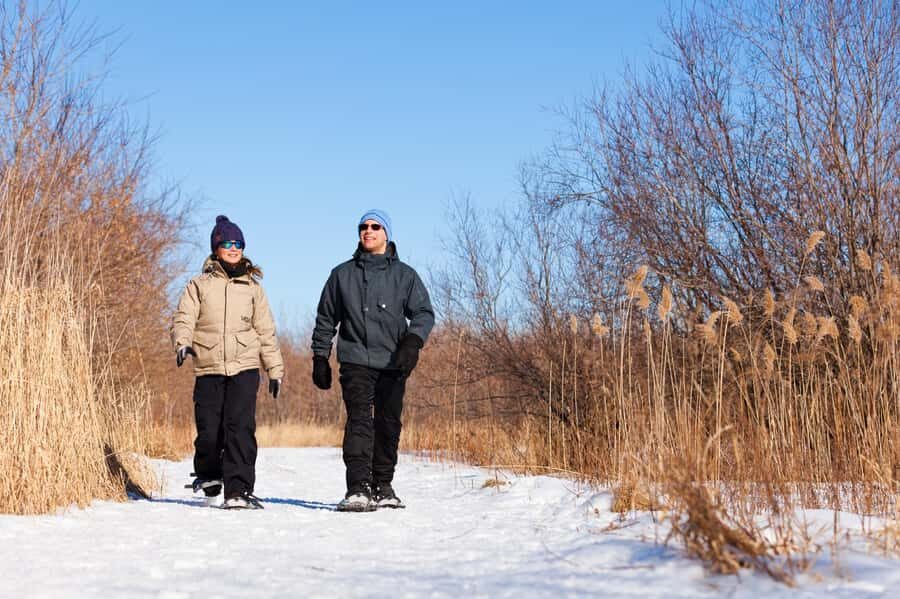
Johnston Canyon is the star for winter hikers who still want an easy-to-moderate walk with huge payoff. The trail is open year-round, and in winter it becomes a corridor of snow-covered paths and frozen waterfalls.
Here’s what makes it memorable on this tour:
- You’re given about 1 hour 30 minutes
- Admission is listed as free
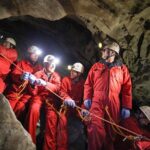
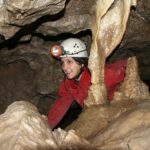
- In winter, the experience includes crawling through a cave section to see iconic frozen waterfalls and pillars of blue ice
That blue ice detail is important. It’s not just “there’s ice.” It’s a specific visual cue that this canyon is known for when the temperatures drop and the falls freeze over.
Also, the tour provides crampons in winter. That matters because slipping on an icy path can turn a beautiful hike into a scary one fast. I’d plan for a slower pace than you’d use on a summer day and let your feet do the work.
The big takeaway: Johnston Canyon is the stop where your day turns from scenic sightseeing into an actual wintry adventure.
Vermilion Lakes: Reflections You Can Actually Get to
Between the canyon and Banff hot springs, you pass by Vermilion Lakes—three lakes that reflect the mountain view, especially Mount Rundle rising above Banff.
This part of the itinerary is shorter and more “glance and breathe” than “long hike.” It’s still worth paying attention, because reflections in cold weather can look different from the warmer-month version. Even when you’re not spending much time, it’s the kind of stop that helps you break up the day so you’re not just rushing from one big stop to the next.
If you like photographing water and mountains, you’ll enjoy having a quick, low-effort segment that still delivers.
Banff Upper Hot Springs: The 1-Hour Reset
After time outdoors, your next move is a warm one. Banff Upper Hot Springs are filled with 100% natural mineral water, and the outdoor pool sits with views of the surrounding peaks of Rundle and Cascade Mountains.
The itinerary lists about 1 hour here. Admission is not included, so you’ll pay for the hot springs experience on the spot or through whatever process the operator uses at the venue. Don’t let that surprise you—this stop is the “pay extra” portion of an otherwise ticket-covered day.
Why this works for value: you’re not just adding an attraction. You’re paying to repair your legs after a winter walk and cold waiting outside for viewpoints. One hour is enough to warm up, relax, and still catch the rest of the day without feeling like you missed time.
Town of Banff: A Real Break for Food, Shops, and People-Watching
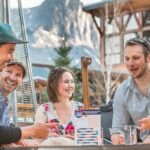
The tour includes about 1 hour in the town of Banff. This is where you can get dry, refuel, and do the easy part—lunch, coffee, small shopping, and quick browsing.
Banff town is surrounded by towering mountains, and downtown has restaurants, cafés, stores, and art galleries and museums. The key word here is time. You won’t do a museum crawl on this schedule, but you will get enough time to eat, stretch, and reset.
In the reviews, I saw this stop described as “wonderful,” with people noting they had enough time for lunch and shopping rather than a rushed walk-by. That matters. If you hate being herded, this is the part that feels like freedom.
Guides and the Small-Group Advantage (Max 14)
This tour caps at 14 travelers, which is a sweet spot. It’s big enough to have energy and sharing, but small enough that the driver can keep the group together and the guide can explain what’s relevant without shouting over everyone.
The names that came up repeatedly—Kenneth, Ken, Patrick, Wing, Way, and William—signal that the operator invests in guide personalities. People praised humor and kindness, not just facts. In practical terms, humor helps you enjoy the wait at viewpoints, and kindness helps when you’re tired and your hands are cold.
Language support is also listed: the guide can work in English, Cantonese, and Mandarin. If you’re not fluent in English, that’s a plus for understanding what to look for and how to stay safe on the trails.
Price and Value: What You’re Really Paying For
At $73.49 per person, this isn’t an airline-ticket price. It’s a day tour price, so your job is to judge whether the inclusions remove hassle and add time.
Here’s the value math in plain terms:
- Transport in an air-conditioned vehicle
- Bottled water
- Hot drinks in winter
- Crampons in winter
- Multilingual guide
- GST included
- Admission details: Lake Louise is free, Johnston Canyon is free, and Moraine Lake is included (when accessible)
The hot springs admission is not included, and meals are not included. Also, gratuities are listed at CAD 15 per person. Still, the core sight costs are either free or included, and you’re paying for a tight route between far-apart stops.
The biggest “value” you’re buying is time. An 8-hour schedule with guided stops is often easier than trying to string together Lake Louise, Johnston Canyon, and Banff town on your own—especially if you’re traveling in winter.
Winter Packing Checklist That Actually Helps
Based on what this tour signals (crampons in winter, frozen trails, outdoor pools), pack for cold control, not for fashion.
Bring:
- Warm layers (you’ll be outside during the canyon and viewpoints)
- Gloves that you can move in (you’ll want to handle phones/cameras)
- Footwear with solid grip
- A hat or hood for when you’re waiting for photos
- A swimsuit towel plan if you’re planning to do the hot springs (not mentioned in what’s included, so plan your own)
If you forget the “grip” part, your day will feel harder than it needs to. This tour gives you crampons, but good outerwear and dry layers still make the experience far more enjoyable.
Who This Tour Fits Best (And Who Might Want Something Else)
This tour is ideal if you:
- Want a one-day Banff highlights plan without renting a car
- Plan to visit in winter and want the ice-focused Johnston Canyon experience
- Like being shown where to stand and what angles matter for photos
- Prefer small-group comfort over big-bus crowds
It might not fit if you:
- Want long, slow stays at one location
- Hate the idea of a timed route with lots of stops in one day
- Are set on Moraine Lake specifically during a season when access is limited
Should You Book the Lake Louise, Moraine Lake, Johnston Canyon, and Hot Springs Tour?
I’d book it if you want an efficient winter day in the Rockies with the key sights covered and winter gear handled. The combo of Johnston Canyon ice walking, Lake Louise time, a quick scenic break at Vermilion Lakes, and a warm reset at Banff Upper Hot Springs is a smart rhythm.
I’d hesitate only if your dates fall outside Moraine Lake’s June to early October access window and Moraine is the single reason you’re going. In that case, confirm what your specific departure actually does for that stop before you commit.
If you can handle a long day and you’ll dress for cold and traction, this tour is a solid value way to see why Banff gets talked about year after year.
FAQ
What time does the tour start?
The start time is 7:30 am.
How long is the tour?
It runs for about 8 hours.
Where does the tour start and where does it end?
Pickup is from Calgary, Canmore, or Banff, and the activity ends back at the meeting point.
What’s included in the ticket price?
Included items are an air-conditioned vehicle, bottled water, hot drinks in winter, crampons in winter, a multilingual guide (English, Cantonese, Mandarin), and GST.
What isn’t included?
Meals, personal expenses (including travel insurance), and gratuities for the guide (CAD 15 per person) are not included. Banff Upper Hot Springs admission is also not included.
Is Moraine Lake guaranteed?
Moraine Lake is only accessible for a limited time each year (June to early October). You’ll want to check what your date includes if you’re traveling outside that window.
What should I expect for Johnston Canyon in winter?
Johnston Canyon is open year-round, and in winter you’ll see frozen waterfalls and snow-covered paths. The experience includes an ice-focused route that includes crawling through a cave to see frozen waterfalls and blue ice pillars.
How big is the group?
The tour has a maximum of 14 travelers.