REVIEW · BANFF
Kicking Horse River: Whitewater Rafting Half-Day Trip
Book on GetYourGuide →Operated by WILD WATER ADVENTURES · Bookable on GetYourGuide
One river, real whitewater. The Kicking Horse Half-Day trip puts you on famous rapids plus top-notch gear for a wet, scenic Rocky Mountain morning or afternoon. You’ll run Class 2 through Class 4/4+ sections with a guide, then warm back up after the spray ends.
I like how the crew makes first-timers feel ready fast, with clear safety guidance and a smooth gear-up routine. You’ll also appreciate the small group size (limited to 8), which helps the guide keep an eye on everyone in the boat.
One thing to plan for: this is self-drive to 2750 Beaverfoot Rd, since there’s no hotel pickup. If you’re flying in without a car, factor in the hassle and cost of getting there and back.
In This Review
- Key things that make this rafting trip special
- Kicking Horse Rapids: Hopi’s Hole, Cable Car, Table Saw, and Shotgun
- Starting at 2750 Beaverfoot Rd: why the DayLodge setup works
- Gear-up and what to bring for freezing-cold water
- Safety briefing and guides who keep the fun rolling
- On the water: timing, soaking, and the canyon feel
- After the ride: snacks, hot drinks, photos, and the gift shop stop
- Price of $112: what you’re really paying for
- Who should book this Kicking Horse half-day (and who shouldn’t)
- Should you book this Kicking Horse half-day raft?
- FAQ
- Where is the meeting point?
- What time should I arrive?
- Does the price include hotel pickup and drop-off?
- What rafting gear is provided?
- What should I bring with me?
- What rapids are included in the trip?
- Are there age and weight limits?
Key things that make this rafting trip special
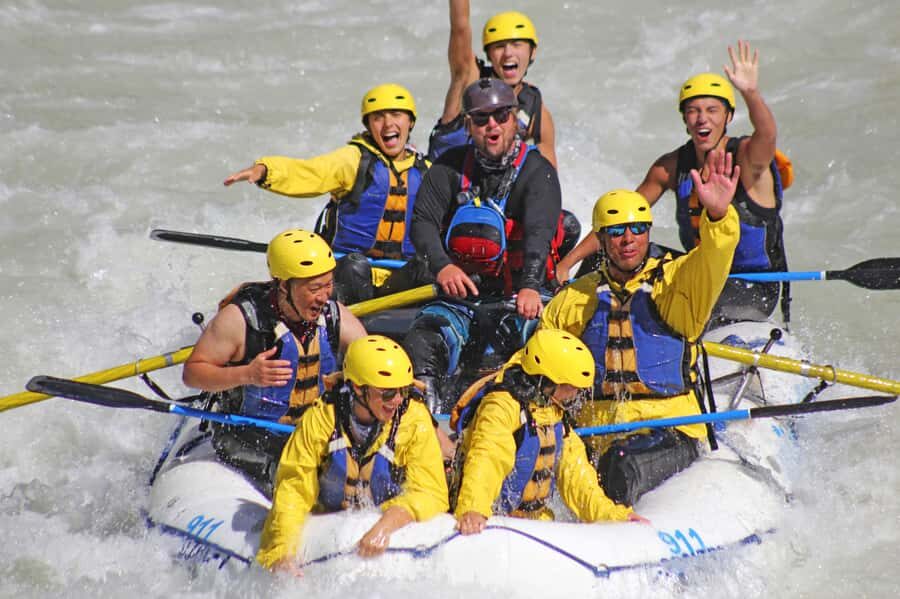
- Class 2 to Class 4/4+ rapids on the Kicking Horse River, including Hopi’s Hole and Cable Car
- Heated change rooms and full wet-weather gear, so you can focus on the river
- A proper safety briefing before you hit the put-in, delivered by trained guides
- Small groups (up to 8), which usually means more attention on the ride
- Rocky Mountain canyon scenery and wildlife possibilities, like mountain goats, wolves, and bears
Kicking Horse Rapids: Hopi’s Hole, Cable Car, Table Saw, and Shotgun
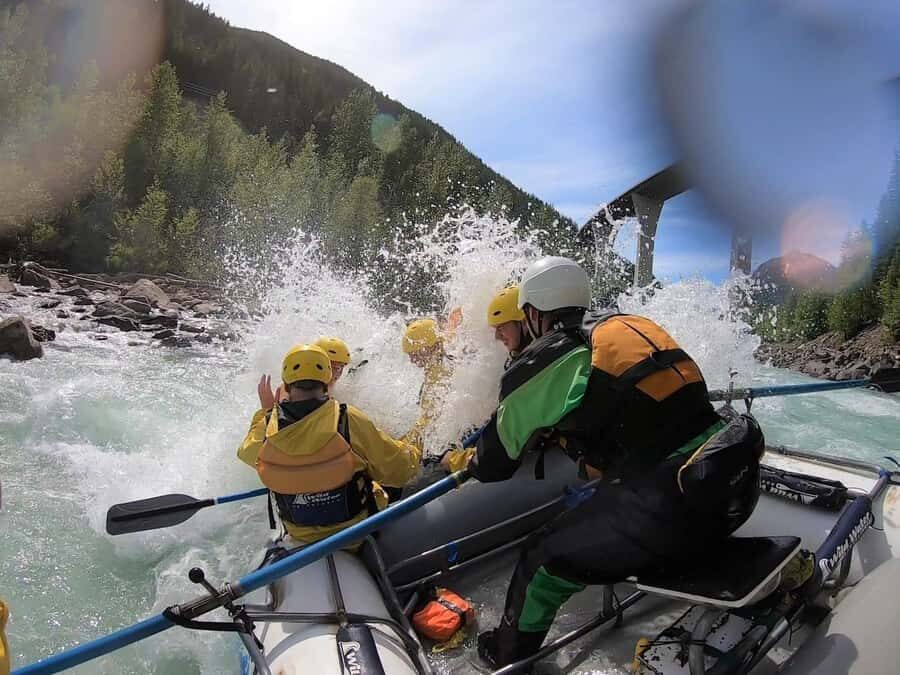
This is the kind of rafting where you can feel the river’s reputation before you even launch. The Kicking Horse is considered the biggest whitewater river in the Rockies, and that shows up in how fast the action starts once you’re at the put-in. Expect a mix of playful hits and bigger, more serious stretches as the water level and conditions line up.
You’ll run named rapids that rafting fans talk about, including Hopi’s Hole, Cable Car, and Table Saw. The trip also targets the famous Portage and Shotgun rapids, which are exactly the sort of sections that turn a half-day trip into a lasting memory. The ride is built for people who want thrills, but not a technical white-knuckle test of strength—you’re there to enjoy the power of moving water with a guide calling the shots.
The big practical takeaway: you should go in ready to get wet and to ride with a steady focus. Even though the trip ranges from Class 2 up to Class 4/4+, your guide will coach where to brace, when to lean in, and how to handle the moments that feel sudden.
Also, this route lives in a canyon setting, so you’re not just looking at water. You’ll get big Rocky views, and you might spot animals along the way—mountain goats, wolves, or a bear if you’re lucky and the timing is right.
A few more Banff tours and experiences worth a look
Starting at 2750 Beaverfoot Rd: why the DayLodge setup works
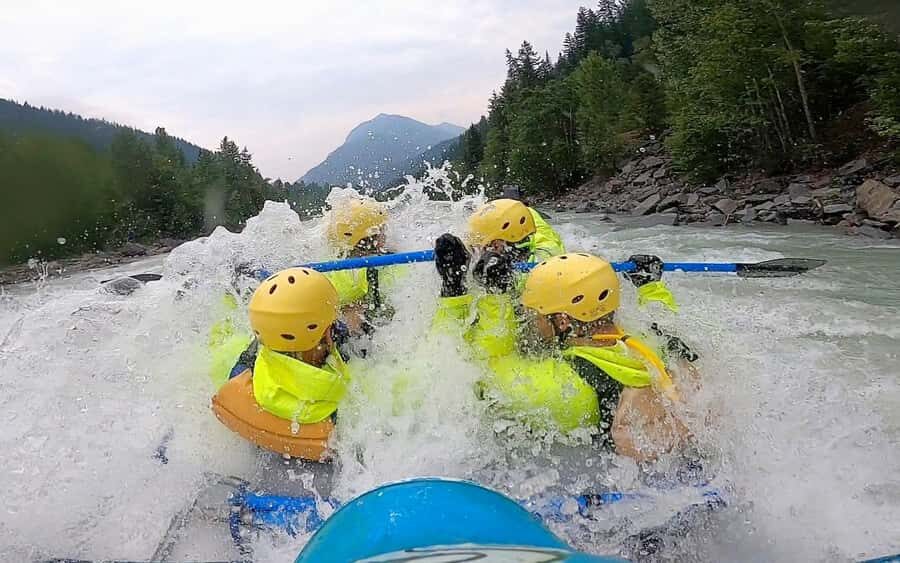
Your experience starts at the partner’s day lodge on the TransCanada Highway, at 2750 Beaverfoot Rd. There’s no pickup from hotels, so you’ll want to plan self-drive timing around the check-in window. Morning departures are scheduled for an 8:45 AM check-in, and afternoon departures are set for a 1:45 PM check-in.
The payoff of this arrangement is that you don’t waste half your vacation waiting for a bus shuffle. You warm up at the lodge, get checked in, then take a short coach ride to the river access point. That coach step is practical because it helps everyone move as a group, and it keeps the logistics simple.
Once you arrive at the put-in area, you’ll get an extensive safety briefing before you get in the boats. I like that order. It means your adrenaline has a chance to settle into the right rhythm: listen first, then let the river do the entertaining.
After the ride, there’s another quick shuttle back to the lodge, so the experience closes out the same way it started—organized and easy. When you’re done, you’re not left hunting for a ride or scrambling for a place to dry off.
Gear-up and what to bring for freezing-cold water
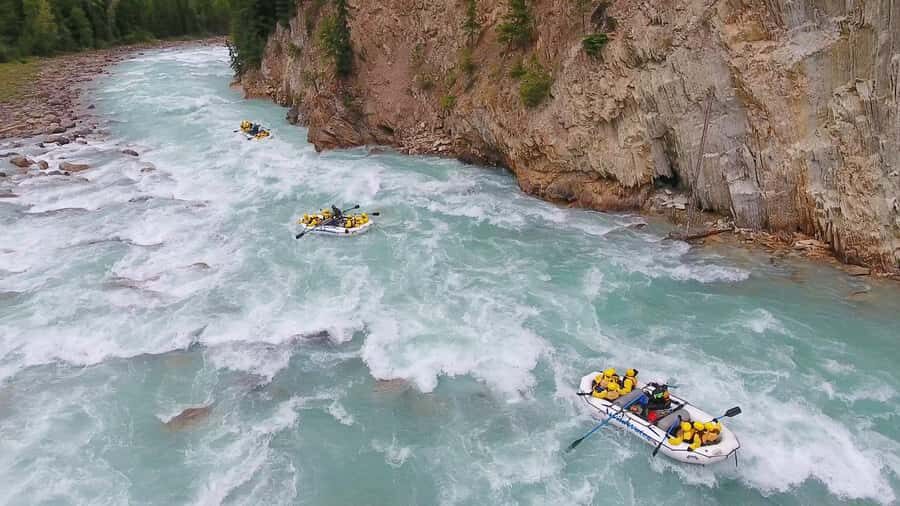
The gear is one of the smartest parts of this trip. You’re supplied with a wetsuit, wetsuit booties and gloves, spray jacket, life jacket, and helmet. You’ll also get a polar fleece sweater, which is a big deal once you’re soaked and trying to stay warm.
The heated change rooms are another real quality-of-life feature. You can focus on dressing in layers the right way instead of doing it in the cold with numb fingers. Once you’re suited up, you’ll head out to the river without that awkward scramble of rental logistics.
What you should bring is straightforward, but don’t wing it. Pack swimwear (you’ll wear it under the wetsuit), a towel, and a jacket. Thermal clothing is also recommended, which matters because the water stays cold even on a decent day.
On the practical side, plan for how you’ll feel after. Even with the wetsuit system working, you’re still going to be wet from paddle spray and river hits. If you tend to feel cold easily, that’s where having warm layers ready at the lodge after the trip helps a lot.
Also note what’s not allowed: alcohol and drugs. It’s a safety-and-judgment rule, plain and simple.
Safety briefing and guides who keep the fun rolling
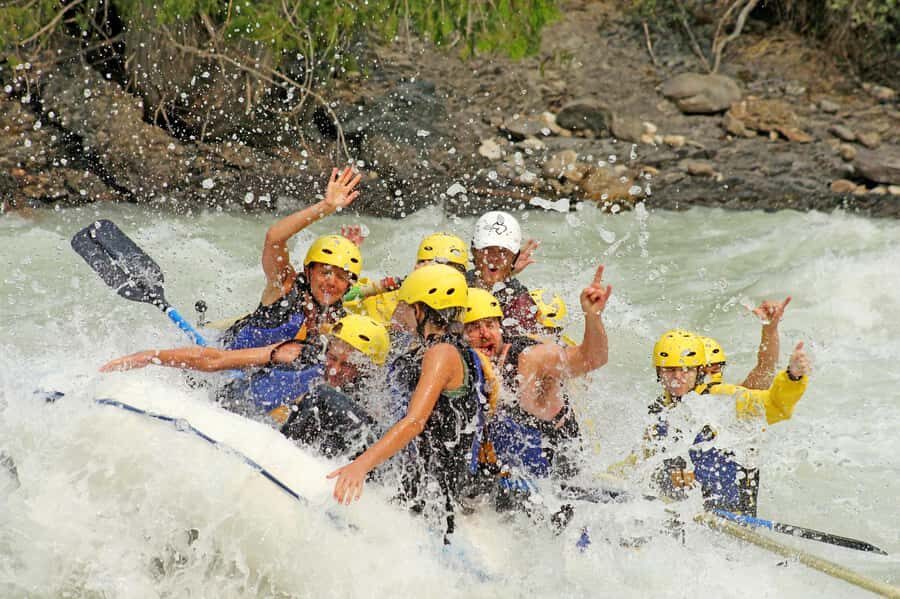
Whitewater is safer when the crew runs a tight process—and this trip does. You’ll receive a thorough safety briefing before you start, and the guides focus on both technique and confidence. That matters especially on rapids that are more intense, like the sections that can reach Class 4/4+.
I’ve noticed a pattern in the guide feedback: instructors mix calm coaching with humor and personal attention. Names you might see include Jacob, Gavin, Hazel, Spencer, Rocky, Louise, Carlos, Nacho, Simon, Liam, and Andrew. Different personalities, same result—people consistently feel like they’re in good hands.
If you’re new to rafting, the best part is how they set you up to understand what’s coming. The safety talk isn’t just rules; it’s a quick map of how to behave in the boat, plus what to expect from the river’s moves. That reduces the fear factor fast, so you can enjoy the ride instead of bracing mentally for every surprise.
There’s also good group management. With a small raft group limited to 8 participants total, the guide can keep an eye on how everyone is positioned and responding. That attention helps on the moments when the boat makes contact with waves or when you need to match the team’s timing.
One more note from an experience standpoint: one guide may push the thrill level more than another within the same safety framework. If you want lots of active soaking, the vibe can vary by guide and by conditions—but the trip is always built for real whitewater, not a slow scenic float.
On the water: timing, soaking, and the canyon feel
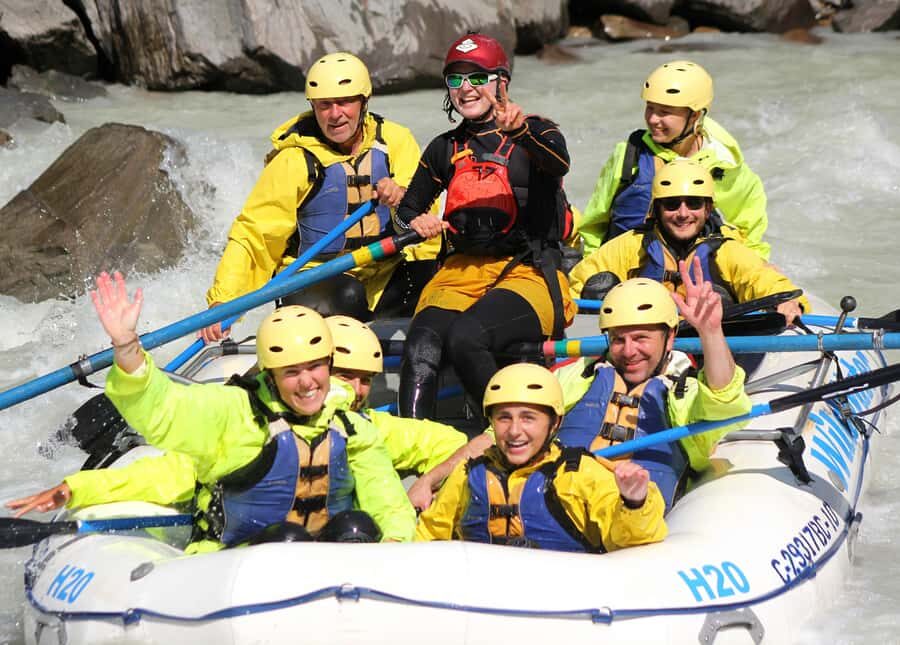
Your overall duration is about 210 minutes, but the key river time is roughly 100 minutes on the water. In between, you’ll have the short coach ride out and the return shuttle after.
Once you’re in, hold onto the idea that this is a canyon-style run. That means you’re traveling through a tight environment with rock walls close by, so you get that sense of being in the river’s space. It also means the action doesn’t feel distant—it comes at you fast, visually and physically.
You should expect to get soaked. Even with the wetsuit system, the spray jacket helps more than it magically makes you dry. The best way to handle that is to treat the wetness as part of the deal, then focus on staying warm afterward.
As for wildlife, the canyon area can offer sightings—mountain goats, wolves, and bears are on the possible list. It’s not something you can time like a schedule, but the fact that the guide may keep an eye out adds to the experience beyond just the rapids.
If you’re the kind of person who worries about water comfort, it helps to remember that the trip specifically recommends familiarity and comfort around water. You don’t need to be a swimmer to have a good time, but you do want to be at ease in and around moving water.
A few more Banff tours and experiences worth a look

After the ride: snacks, hot drinks, photos, and the gift shop stop
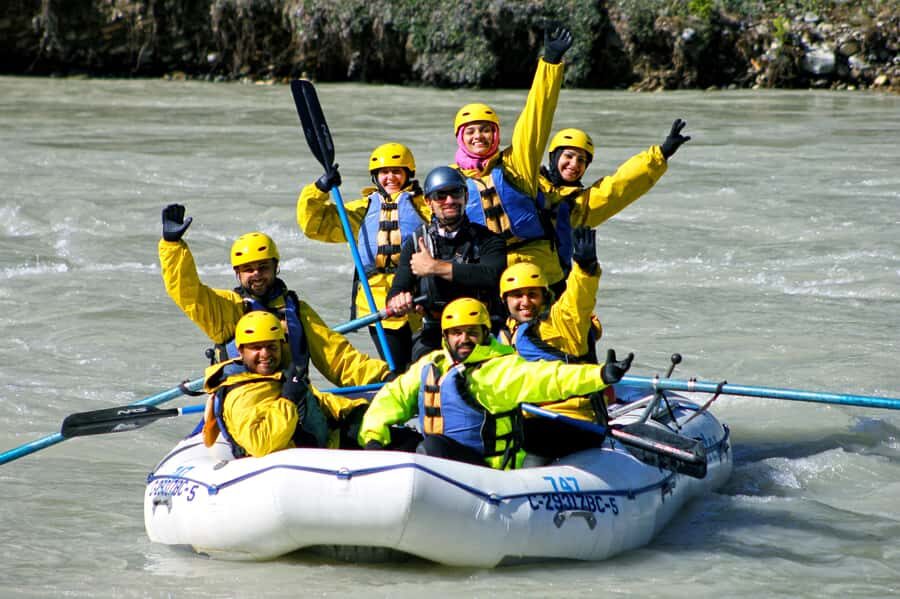
When the river run ends, the shuttle gets you back to the lodge quickly. Then comes the best mental shift: you’re done getting hit by waves, and now you can get warm and dry.
Back at the day lodge, you’ll get snacks plus a selection of hot and cold beverages. That sounds simple, but it matters because it helps you recover your energy while the cold is still fresh.
You can also stop by the gift shop for a souvenir or photos from your trip. It’s a low-effort way to get something tangible from the day without worrying about your own camera handling during all that water.
From a value standpoint, I like this finish because it keeps the experience from turning into a scramble. You’ve already done the hardest part—dressing and rafting—and the lodge handles the rest.
Price of $112: what you’re really paying for
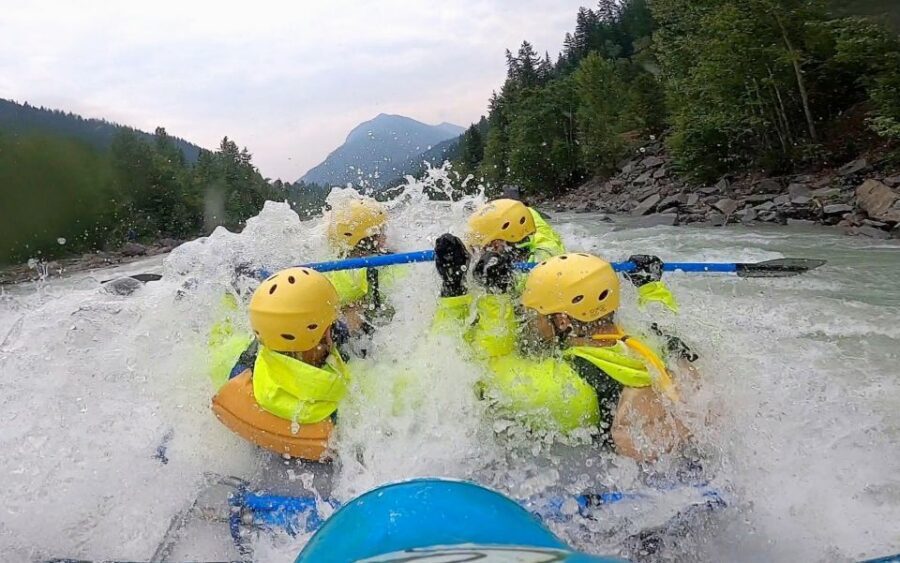
At $112 per person, this half-day rafting trip looks like a splurge until you look at what’s included. The ticket covers not just the boat ride, but the guide, a full set of wet-weather rafting gear, and the safety process. You’re also supplied with items people often have to rent elsewhere: wetsuit, booties, gloves, spray jacket, life jacket, and helmet.
That gear value is real. When you add up rentals (and the time needed to pick them up), the cost adds up fast. Here, you arrive, get fitted and suited, and you’re ready to go.
There’s also the guide expertise. Class 2 through Class 4/4+ is a wide range, and having skilled professionals managing the boat makes the difference between a fun ride and a stressful one. The small group limit helps too, since it supports closer guidance.
If you’re deciding whether it’s worth it, here’s the honest test: do you want an active, real whitewater run with Rocky scenery and full equipment handled for you? If yes, $112 starts to feel like paying for convenience plus serious river time, not just a seat.
Who should book this Kicking Horse half-day (and who shouldn’t)
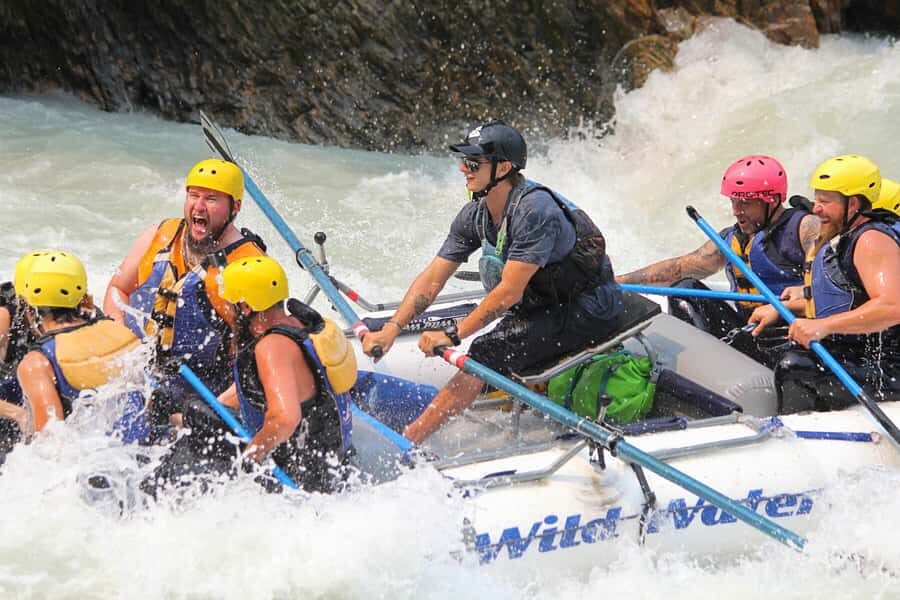
This trip is best for people age 12 and up. Rafters must be at least 12 years old and weigh at least 90 pounds. There’s also a note that it isn’t suitable for people under 99 lbs (45 kg), so if you’re near that range, you’ll want to confirm eligibility with the provider before you commit.
It’s not suitable for pregnant women. It’s also not suitable for people with mobility impairments. The core reason is simple: you’ll need to dress in supplied gear, get to the put-in, and handle the physical demands of rafting and soaking.
If you’re a first-timer, you’re not automatically out of luck. The trip is designed with beginners in mind, and guides frequently help nervous rafters settle in quickly. Still, you’ll enjoy it more if you’re comfortable around water and can follow instructions during rapid changes.
If you want a calm float, this isn’t that. This is whitewater, including larger rapids like Portage and Shotgun, with the whole point being the thrill.
Should you book this Kicking Horse half-day raft?
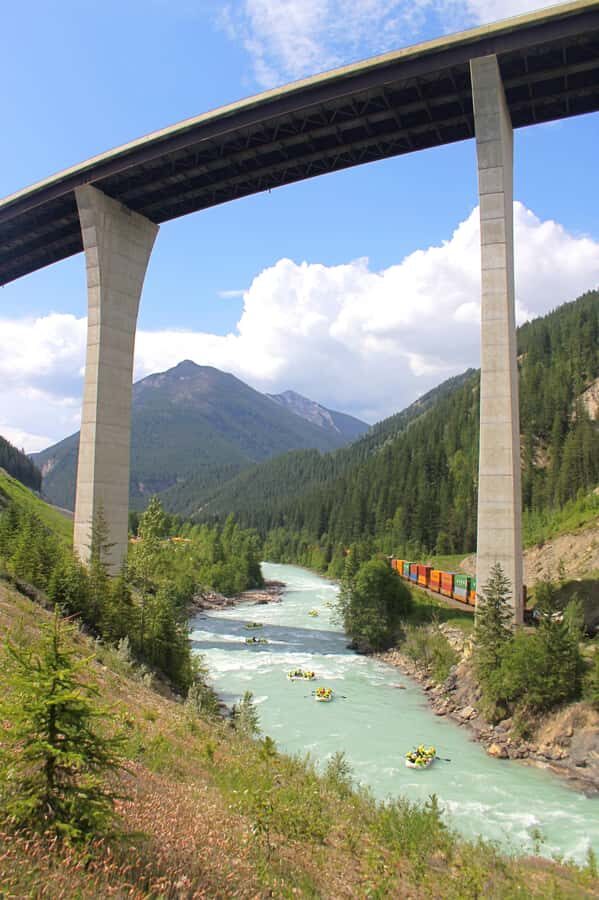
Book it if you want the famous Kicking Horse River in a format that’s efficient, well-run, and heavy on real rafting. The combination of full gear included, small group attention, and a strong safety process makes it a great choice for people who want thrills without turning the day into a logistics headache.
Skip it if you’re looking for an easy, dry, or fully accessible outing, or if you’re not comfortable being wet in cold water conditions. And if you don’t have a car, double-check your plan for reaching 2750 Beaverfoot Rd since there’s no hotel pickup.
If your goal is a half-day of Class 2 to Class 4/4+ rafting with Rocky Mountain scenery and guides who keep things safe and fun, this is an easy yes.
FAQ
Where is the meeting point?
You self-drive to 2750 Beaverfoot Road for check-in.
What time should I arrive?
Morning departures require check-in at 8:45 AM, and afternoon departures require check-in at 1:45 PM.
Does the price include hotel pickup and drop-off?
No. Hotel pickup and drop-off are not included.
What rafting gear is provided?
You’ll receive a wetsuit, wetsuit booties, gloves, spray jacket, life jacket, and helmet. A polar fleece sweater is also included.
What should I bring with me?
Bring swimwear, a towel, a jacket, and thermal clothing.
What rapids are included in the trip?
The route includes rapids such as Hopi’s Hole, Cable Car, Table Saw, and the famous Portage and Shotgun.
Are there age and weight limits?
Yes. Rafters must be at least 12 years old and weigh at least 90 pounds. The activity is also noted as not suitable for people under 99 lbs (45 kg).