REVIEW · JASPER
Jasper: Winter Wildlife Bus Tour in Jasper National Park
Book on GetYourGuide →Operated by SunDog Transportation and Tours · Bookable on GetYourGuide
Winter wildlife viewing feels almost unfair. This Jasper tour takes you through winter roads and into prime viewing areas with a local interpretive guide who’s hunting for the park’s big moments and small details.
I like that the experience is built around real spotting skills, not just hoping for luck. You’ll get guided stops for photos in the Athabasca Valley, and the coach ride keeps you relaxed while someone else reads the road and the animal signs.
One thing to plan around: animal sightings are never guaranteed, since wildlife depends on timing, weather, and conditions.
In This Review
- Quick hits
- Winter roads, smarter spotting, and Jasper without the stress
- The ride starts with a Jasper pickup and a cozy plan
- Athabasca Valley photo stops: where the sightings often start
- What you might see: Jasper’s winter icons and the small surprises
- How the guide turns roadside sightings into real understanding
- The small-group advantage: more eyes, fewer missed questions
- Comfort and safety on winter roads (and why it affects your enjoyment)
- Price: is $62 worth it for a 3.5-hour wildlife day?
- What to bring and how to make the most of your camera time
- Who this Jasper winter wildlife tour is perfect for
- Should you book this Jasper winter wildlife bus tour?
- FAQ
- How long is the Jasper winter wildlife bus tour?
- Where does pickup happen?
- What kind of wildlife can I expect to see?
- Is wildlife viewing guaranteed?
- Does the tour involve much walking?
- Is the tour wheelchair accessible?
Quick hits
- Hotel pickup and drop-off in Jasper keeps the day simple
- Small-group format means more time for your questions
- Interpretive guidance turns sightings into real park knowledge
- Photo-friendly stops along the way help you catch winter views and wildlife moments
- Comfortable, safe winter transport means you focus on spotting, not driving
- A wide mix of possible species from elk and moose to birds of prey
Winter roads, smarter spotting, and Jasper without the stress
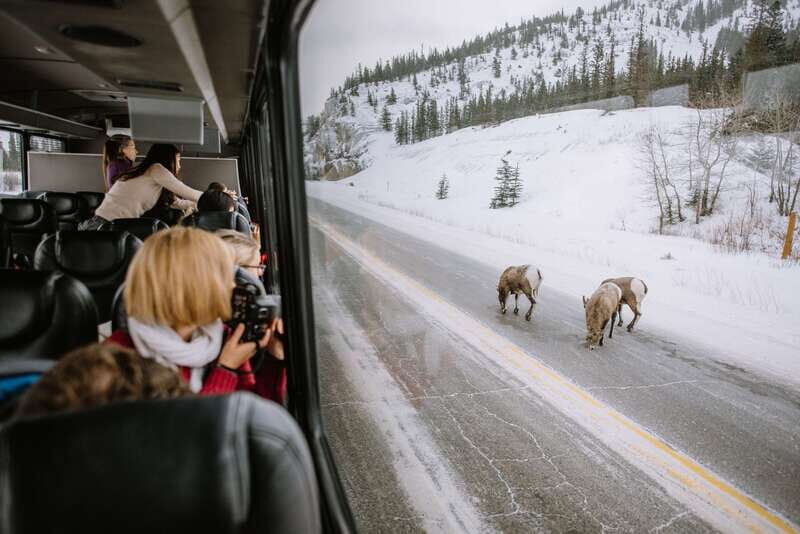
If you’ve ever driven in winter mountain weather, you know how quickly confidence turns to caution. This tour helps because it’s built for winter conditions: you ride in a comfortable sightseeing vehicle and someone experienced handles the driving while you scan for movement near the roadside and in open areas. That matters in Jasper, where visibility changes fast with snow, wind, and low light.
What makes this experience especially appealing is the way the guide frames wildlife sightings. You’re not just watching from a window. You’re learning what animals are likely doing that day and why. That turns a quiet roadside moment into something you can actually interpret—track patterns, feeding behavior, how animals cope with cold, and how they fit into the park’s winter ecosystem.
There’s also a practical side. The tour is designed with minimal walking, so you can keep your energy for viewing and photography rather than turning your day into a hike. And because it’s a small-group outing, the guide can respond when you have a question or want a clearer view.
A few more Jasper tours and experiences worth a look
The ride starts with a Jasper pickup and a cozy plan
Your day begins with pickup from your Jasper accommodation. That’s a big deal if you’re staying in town and don’t want to coordinate transport in icy weather. Then you step onto the coach for an initial drive segment, giving the guide time to set expectations and start the wildlife talk before you even reach the best stops.
The total tour time is 210 minutes, with about 30 minutes of coach travel before you’re in the national park area for around three hours of guided sightseeing and viewing. In winter, that pacing feels right. You’re not stuck on the road forever, but you also aren’t limited to a single short window where you might miss key wildlife activity.
Inside the vehicle, the goal is simple: keep you comfortable while the guide handles navigation and spotting. The tour is described as safe and relaxed, with the guide trained to look for iconic creatures large and small. You’ll still need to be alert with your camera ready, but you’re not juggling cold hands, glare on the glass, or the stress of driving.
Athabasca Valley photo stops: where the sightings often start
Once you’re out in the Jasper National Park area, you’ll spend time on scenic drives with multiple stops for winter views and wildlife viewing. The big draw here is that you’re covering ground while the guide actively seeks out likely areas rather than waiting in one spot and hoping.
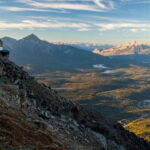
The Athabasca Valley route is the star of the scenery portion. It’s the kind of setting where winter light can look dramatic in minutes—when clouds shift, when snow texture catches the sun, and when distant silhouettes turn into recognizably-shaped animals. The tour includes stops for capturing those moments, so you’re not left thinking you missed the best angle because you were still putting on layers.
A helpful mindset: treat each stop as a mini window. Wildlife might appear quickly, then disappear as they move to shelter or feed. So when the guide calls attention to something, get your camera into position right away. Winter viewing rewards speed, especially when conditions make animals harder to see against snow and brush.
Also, be ready for the weather to call the shots. Even with the best route choices, a gust can reduce visibility and change animal movement patterns. The tour is designed for that reality, but it’s still smart to accept that some days will be more active than others.
What you might see: Jasper’s winter icons and the small surprises
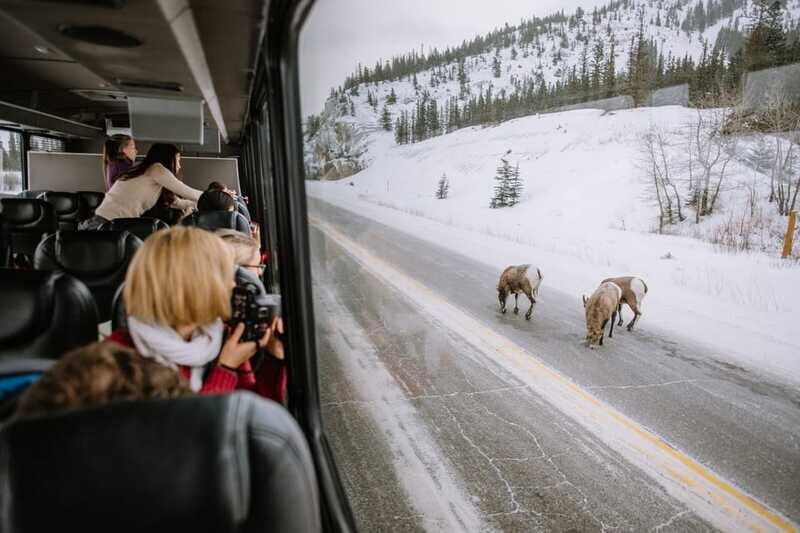
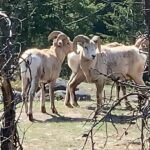
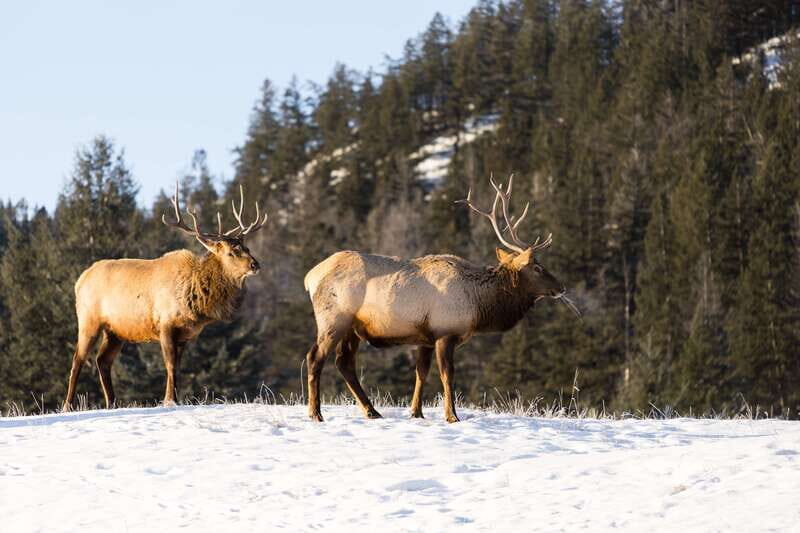
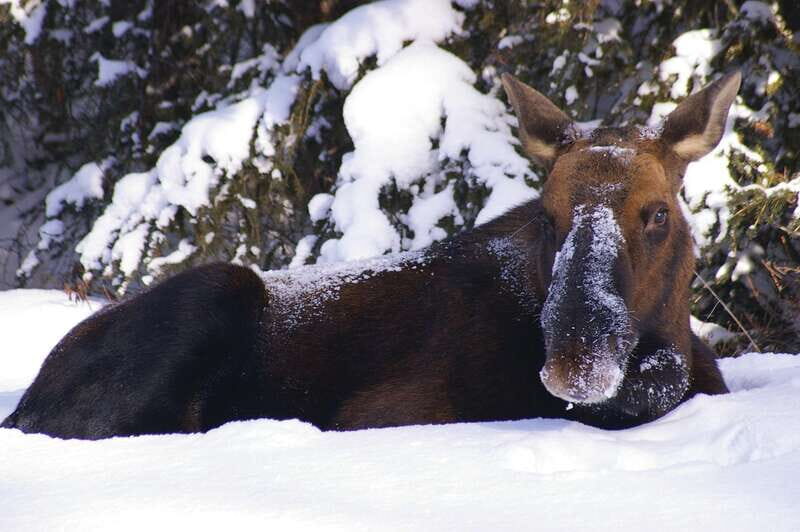
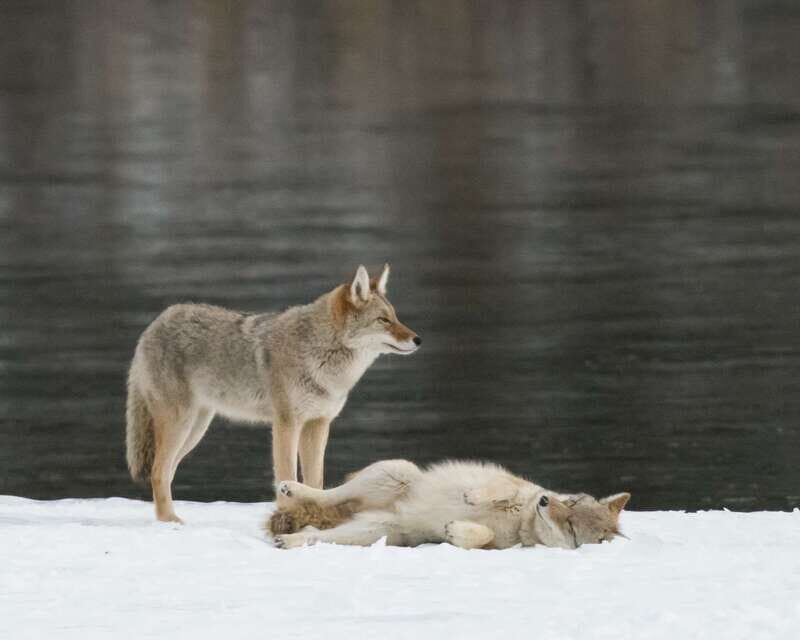
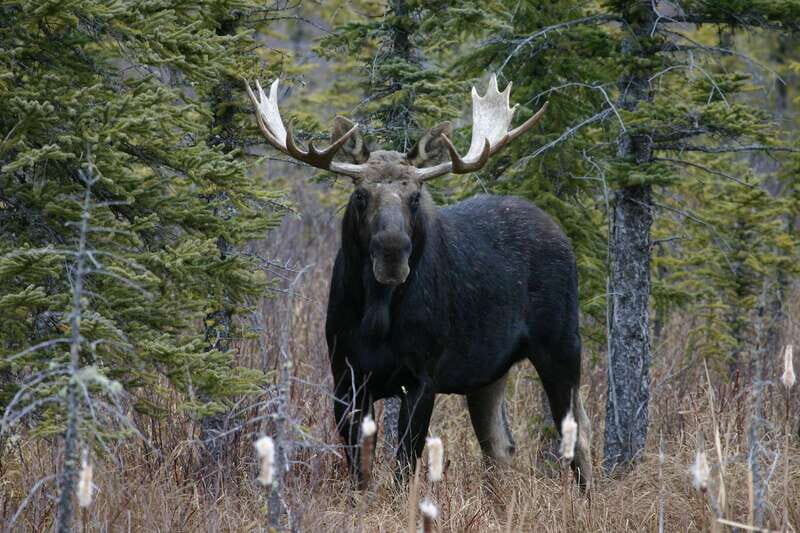
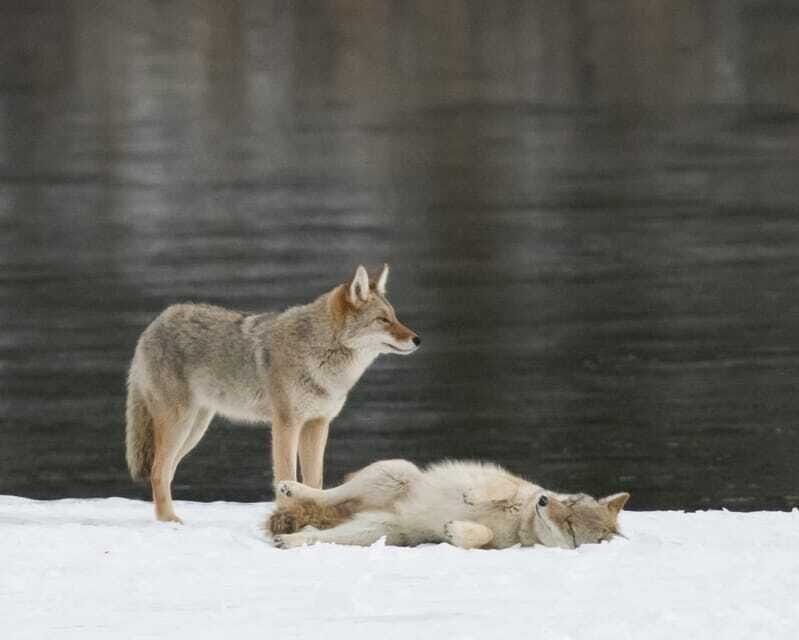
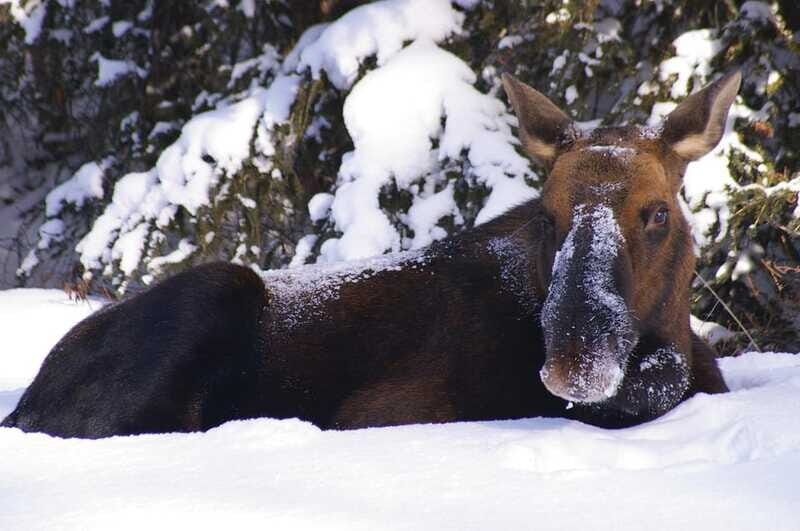
The tour is set up to look for a broad mix of animals, and the guide is trained to scan for both common and more surprising sightings. Expect the possibility of species like elk, deer, sheep, goats, coyotes, wolves, and moose. That list is big, but the tour’s value is that you’re learning how the park’s winter conditions shape which animals show up when.
You’ll also likely hear context as you go. The guide’s job isn’t just to point out animals; it’s to explain how they survive mountain winters and what their behavior means. That’s where the experience shifts from a scenic bus ride to something that feels genuinely useful.
A few standout examples from past experiences can help you understand what’s possible:
- Groups have reported frequent sightings of moose on certain days, including an impressive count that surprised even the guide.
- Elk and deer are often easier to spot than you’d think if you know what to look for along winter corridors.
- There have been rare-feeling sightings like a northern hawk owl, which shows how much the right conditions and the guide’s eye can matter.
- Bird-of-prey moments like bald eagles and other raptors can also happen when you’re in the right viewing zones.
Still, here’s the reality check that keeps this tour honest: wildlife viewing depends on conditions and timing. You’re not buying a ticket to see a guaranteed checklist. You’re buying access to better odds, better positioning, and better interpretation.
How the guide turns roadside sightings into real understanding
This tour is at its best when the guide blends spotting with storytelling. Past groups highlighted guides who share facts in a fun way and stay focused on answering questions, including guides named Yvonne, Jeff, Norm, Dieter, and Dave. Even when sightings are limited, those guides aim to make the time feel full.
So what does that look like in practice? Expect explanations tied to what you’re seeing right then:
- Why animals choose certain areas in winter
- How feeding and shelter behavior changes with cold and snow
- How different species fit into the park’s winter ecosystem
The best part is that you don’t need to know anything before you arrive. You can ask straightforward questions—where the animals go, what tracks mean, why they’re out at this hour—and the guide is prepared to connect it back to park ecology and behavior.
It also helps that the guides are used to winter road conditions. Spotting isn’t just about sight lines; it’s about timing and safety. When the coach is moving through wintry roads, a good guide knows when it’s worth stopping, when it isn’t, and how to keep the group focused without getting sloppy.
If you’re the type of person who loves animals but hates vague tours, this interpretive layer is the difference-maker. You leave knowing more than just what you saw.
A few more Jasper tours and experiences worth a look
The small-group advantage: more eyes, fewer missed questions
“Small group” is often marketing speak, but in this setting it matters. When you’re trying to spot animals from a vehicle window or at a stop point, extra attention can be the difference between seeing something in time or missing it completely. A smaller group helps the guide manage viewing and respond to what people are asking.
It also changes the vibe. You’re not packed in with strangers who only want to take pictures and move on. Instead, you get more personalized attention, and you’re more likely to get follow-up answers. That’s especially useful when you’re trying to understand animal behavior in winter, which can look confusing if you don’t have a guide to translate it.
If you’re traveling with kids, a smaller group often keeps the day from feeling chaotic. If you’re traveling solo, it still feels social without feeling like you’re stuck in a big bus full of noise. And if you’re a photographer, fewer people means the guide can help balance where everyone stands and how you work with limited viewing time.
Comfort and safety on winter roads (and why it affects your enjoyment)
Let’s be blunt: winter driving can steal the joy from a sightseeing day. This tour avoids that by handling transportation for you in a comfortable sightseeing vehicle, with winter-safe operation included. That means you can keep your focus where it belongs—spotting wildlife and enjoying the scenic stops.
Because the tour is designed as a bus experience with minimal walking, it also fits a wider range of fitness levels than many winter outings. You’re not forced into long trail distances or heavy snow scrambling. You can dress for outdoors, but you’re not committed to a hike.
One more comfort detail: hotel pickup and drop-off. In winter, “just meet at a parking lot” becomes a hassle fast. This removes that friction so your day starts smoothly and ends the same way.
The drawback side of this comfort trade-off is simple: you’re limited to what you can see from road access. That’s not a negative in most cases, but it’s good to understand the format.
Price: is $62 worth it for a 3.5-hour wildlife day?
At $62 per person for about 210 minutes total, you’re paying for four things at once: transport, a guide, park access time, and the “odds boost” that comes from scanning the right areas with an experienced interpreter.
If you tried to replicate this on your own, you’d spend time and energy dealing with winter driving, parking decisions, route timing, and the learning curve of where wildlife tends to show up. Even if you had a car, you’d likely be doing a lot of guesswork.
Here you’re buying:
- A professional interpretive guide who explains the animals and their winter survival
- Safe, comfortable transportation so you can stay focused
- Multiple scenic and viewing stops rather than one random pull-off
- Small-group viewing for better attention
So yes, the price feels reasonable if you value guided wildlife spotting and winter-friendly logistics. It’s best when you care less about being alone in the wilderness and more about getting useful context and better sightings.
What to bring and how to make the most of your camera time
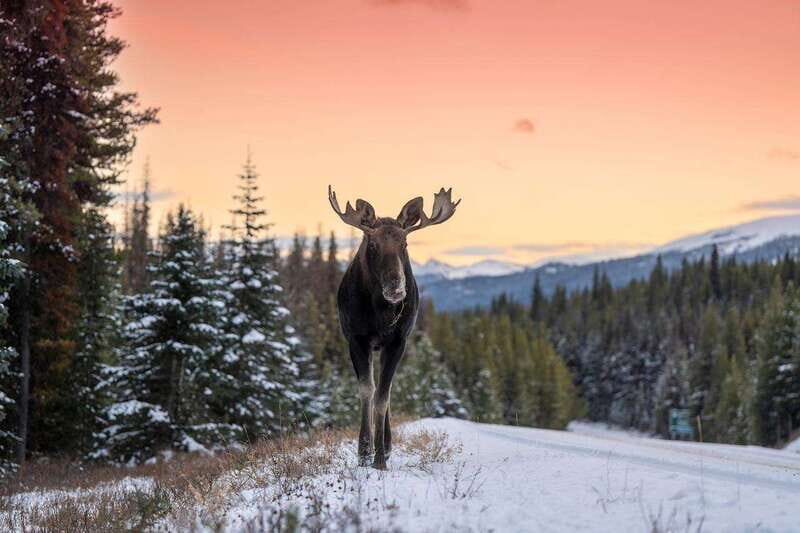
The tour gives you photo stops and enough time to get shots, but winter is still winter. Dress for cold and keep your hands workable. You’ll be taking in views along the Athabasca Valley and scanning for animals, and both activities get harder when your gloves are too thick or your camera is hard to reach.
A good approach:
- Bring a camera strap that’s easy to manage with winter gloves
- Have your lens ready before the vehicle stops, not after
- Expect to shoot through windows at times, and adjust your angle when you can
Also, remember that wildlife might be present at a distance. That means patience helps. If you’re expecting close-up action like in a zoo, you’ll be disappointed. If you’re happy capturing a moose shape in snow or a raptor silhouette, you’ll enjoy the hunt.
Finally, keep an open mind about the “big animals” vs the “small moments.” Some days the story is a rare bird or a surprising behavior pattern. The guide’s explanations help you appreciate those moments instead of thinking the day was a letdown.
Who this Jasper winter wildlife tour is perfect for
This experience fits best if you want winter wildlife without the hassles of driving, parking, and constantly rethinking your route. You’ll like it if:
- You want a relaxed morning or day focused on wildlife viewing
- You enjoy learning how animals survive winter, not just spotting them
- You prefer a small group with room for questions
- You’re traveling in Jasper and want hotel pickup to reduce logistics
It may be a poor match if you use a wheelchair, since it’s not suitable for wheelchair users. It’s also best for people who can handle short vehicle stops and standing briefly, since the walking level is described as minimal but not zero.
If you’re the type who plans your day around multiple activities with strict timing, build in some flexibility. Wildlife spotting changes with conditions, and the guide will make real-time decisions to keep the experience worthwhile.
Should you book this Jasper winter wildlife bus tour?
Book it if you want the best mix of winter scenery, guided wildlife spotting, and practical logistics. The guided interpretive angle is what makes it feel more than a “ride around.” With guides like Yvonne, Jeff, Norm, Dieter, and Dave showing up across past groups, the common thread is a focus on both animals and answers—so you walk away with understanding, not just photos.
Skip it or set expectations lower if your only goal is guaranteed sightings of a specific animal. This tour is built on thoughtful searching, safe winter driving, and the hope of great conditions, but encounters depend on weather, time of day, and wildlife movement.
If you’re flexible, bring a camera, and go in ready to learn, this is a solid $62 way to experience Jasper in winter without doing the hard part yourself.
FAQ
How long is the Jasper winter wildlife bus tour?
The tour lasts 210 minutes total, with about 30 minutes of coach travel and around 3 hours of guided touring and wildlife viewing in the national park area.
Where does pickup happen?
Pickup is included from your accommodation in Jasper. You’ll need to provide your accommodation details when booking.
What kind of wildlife can I expect to see?
The guide looks for a range of regional wildlife, including elk, deer, sheep, goats, coyotes, wolves, and moose, plus other animals that may be spotted depending on conditions.
Is wildlife viewing guaranteed?
No. Animal encounters depend on factors like season, time of day, and weather, so sightings can’t be guaranteed.
Does the tour involve much walking?
This is a bus tour with minimal walking.
Is the tour wheelchair accessible?
No. It’s not suitable for wheelchair users.