REVIEW · JASPER
Jasper: Jasper Planetarium Dark Sky Experience
Book on GetYourGuide →Operated by The Jasper Planetarium · Bookable on GetYourGuide
Staring at the stars feels different here. This 3-hour Jasper Planetarium Dark Sky Experience mixes a planetarium dome show with telescope viewing and then moves you to a nearby dark site for constellations, lasers, and binoculars. I especially liked the hands-on rhythm: learn first, then go outside and use what you just heard.
Two things I really like are the chance to get close to the night sky with supplied binoculars and the Q&A time with astronomy guides. You’re not just watching from a seat. You’re nudged to ask questions, track objects, and make sense of what you’re seeing above Jasper.
One drawback to consider is weather. When clouds roll in, the dark-sky walk and sky viewing can be limited, even though the tour includes a 2-year rain check. If clear skies matter most to you, plan this as a “best chance” night, not a guarantee.
In This Review
- Key highlights worth your attention
- How the 3-hour Jasper night-sky combo actually flows
- Planetarium dome theatre: the warm-up that makes the stars make sense
- Telescope time inside the “weather-proof” setup
- The 480-metre dark-sky walk where the sky starts answering back
- Binoculars and the Milky Way: a guided way to see without guessing
- Indigenous constellations: learning the sky with local context
- Where reviews line up: what tends to land well, and what to watch for
- Price and value for $102 per person in Jasper
- Practical tips to make your night smoother
- Who this Jasper Planetarium experience fits best
- Should you book the Jasper Planetarium Dark Sky Experience?
- FAQ
- FAQ
- How long is the Jasper Planetarium Dark Sky Experience?
- Where do I check in for the tour?
- What’s included in the ticket price?
- Is the tour good for kids?
- Is photography allowed during the experience?
- Do I need to bring food or drinks?
- What should I wear or bring?
- What happens if it’s cloudy and I can’t see the stars well?
Key highlights worth your attention
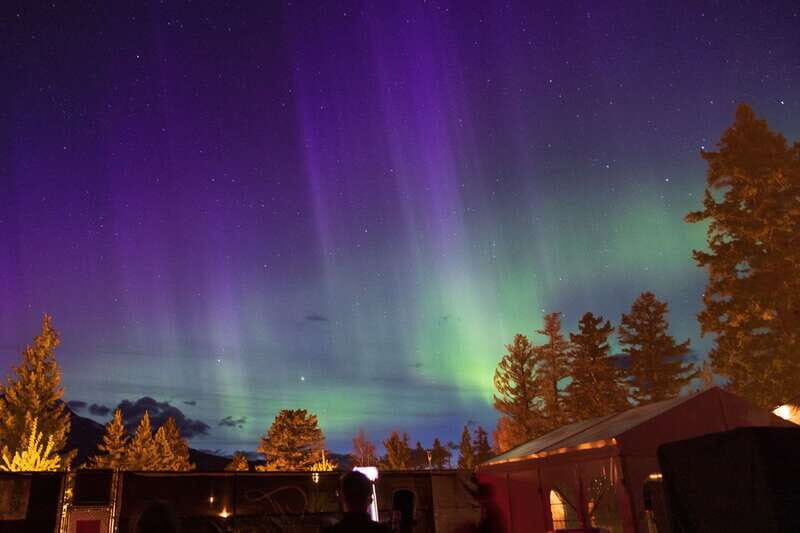
- Planetarium dome theatre experience designed for an immersive introduction to planets, nebulas, and deep space objects
- Weather-proof telescope time plus a guided session through optical telescopes if conditions allow
- Dark-sky site within walking distance (about 480 metres) for a less light-polluted sky look
- Laser-guided constellation tour using naked-eye patterns and orientation cues
- Binocular look at the Milky Way and deep-sky objects with guides supplying equipment
- Learn about local Indigenous constellations as part of the sky lesson
How the 3-hour Jasper night-sky combo actually flows
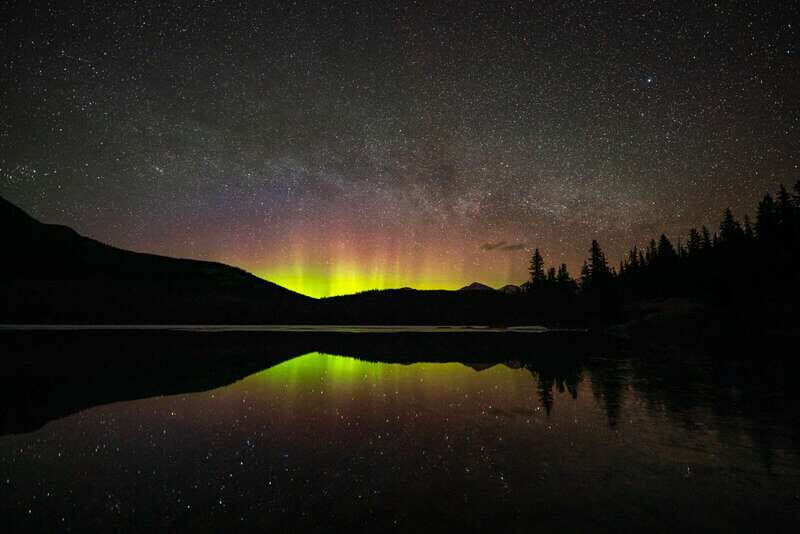
This isn’t one long, sit-and-stare show. It’s a structured evening that alternates between “learn” and “look.” Expect a full combo tour feel: planetarium dome, telescope access, then an outdoor guided dark-sky segment.
The tour is built around pacing. First, you get the big picture indoors so the sky doesn’t feel like random dots. Then you head out to a specially selected dark site near Jasper Park Lodge, where the guides help you connect what you learned to what you can actually see overhead.
At the end, you’ll spend time spotting constellations and deep space targets with laser help and binoculars. If conditions permit, telescope viewing happens as part of the outdoor portion too. That means the tour can shift depending on the night, but the goal stays the same: you leave with a sky you can recognize, not just images you’ve seen once.
You can also read our reviews of more tours and experiences in Jasper.

Planetarium dome theatre: the warm-up that makes the stars make sense
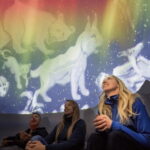
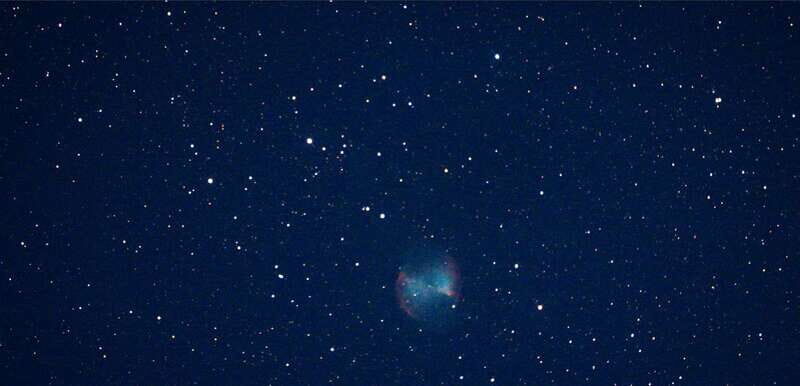
The dome theatre is where your night starts. You’ll get a planet-by-planet and object-by-object style introduction that helps you understand what you’re about to hunt for outside. Expect topics like planets, nebulae, and other deep space objects, plus guidance on what to look for when you’re later at the dark-sky site.
Why this matters: when you skip the “what am I looking at?” part, stargazing can feel like guesswork. The dome portion gives your eyes a map. You’re better able to notice patterns, understand scale, and recognize that not every fuzzy patch is a “cloud” you’re missing.
Also, this dome experience is designed for an evening tour format. You’re not just drifting through a museum exhibit. You’re learning in a controlled setting and moving to real sky viewing right after.
Telescope time inside the “weather-proof” setup
After the dome, you’ll have access to optical telescopes. The tour description also flags a weather-proof style telescope experience, which is their way of saying the viewing setup is built for real mountain evenings rather than perfect conditions only.
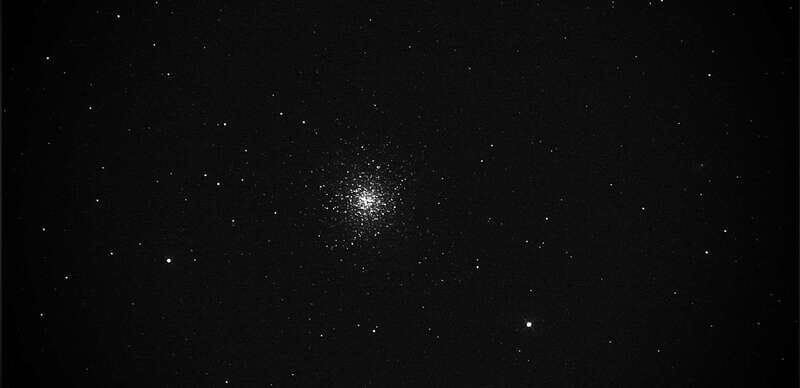
Here’s what you can do with this part: use the telescope access as an opportunity to compare what you learned in the dome to something you can see with your own eyes. The telescope session (and the specific setup) can vary based on sky clarity. If weather permits, you’ll get guided telescope viewing.
One practical angle: telescopes are amazing for showing detail, but they’re also honest about limitations. If you want the “big telescope wow moment,” remember that cloud cover and haze can blunt contrast. Still, even on marginal nights, you can often pick out brighter targets and learn how guides focus and explain what you’re seeing.
The 480-metre dark-sky walk where the sky starts answering back
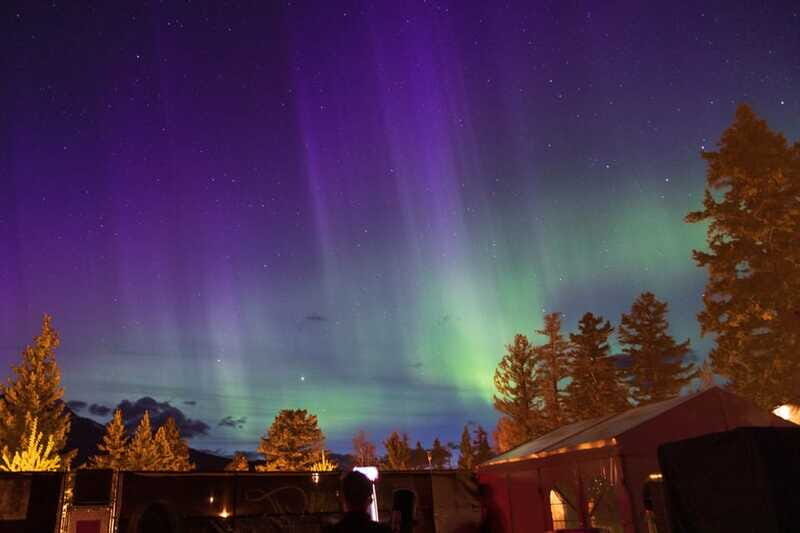
One of the smartest parts of the design is the move to a dark-sky site within walking distance, about 480 metres from the meeting area. That short transfer matters. It keeps the tour flowing while giving you a sky that’s more useful than what you’d see right from a brighter roadside.
Once outside, the guides make an announcement and lead you through the night sky. This is where the tour becomes more interactive. You’re given a laser-guided path to help you locate constellations, understand orientation, and connect the star patterns to the story the dome set up earlier.
This part also focuses on navigation of the sky, not just names. The goal is for you to look up and think: I know where to be. I know how to find the pattern. That’s how constellations stop being trivia and start becoming tools.
Binoculars and the Milky Way: a guided way to see without guessing
Then comes the binocular portion. You’ll be supplied binoculars during the constellation binocular tour, and you’ll be guided to the Milky Way and other deep space objects.
Binoculars are a sweet spot for many people. They’re easier than a telescope, they don’t require the same long setup time, and they’re often more forgiving if the night isn’t perfectly transparent. With guidance, you get better results than you would by trying to figure out targets alone.
You’ll also get that “look, then learn together” style of pacing. Instead of a passive lecture, the guides help you interpret what you’re seeing through the binoculars as they point you toward real targets in the sky.
If you’re bringing kids (4 and up), this is often the part that converts curiosity into confidence. The sky becomes something you can actively search for.

Indigenous constellations: learning the sky with local context
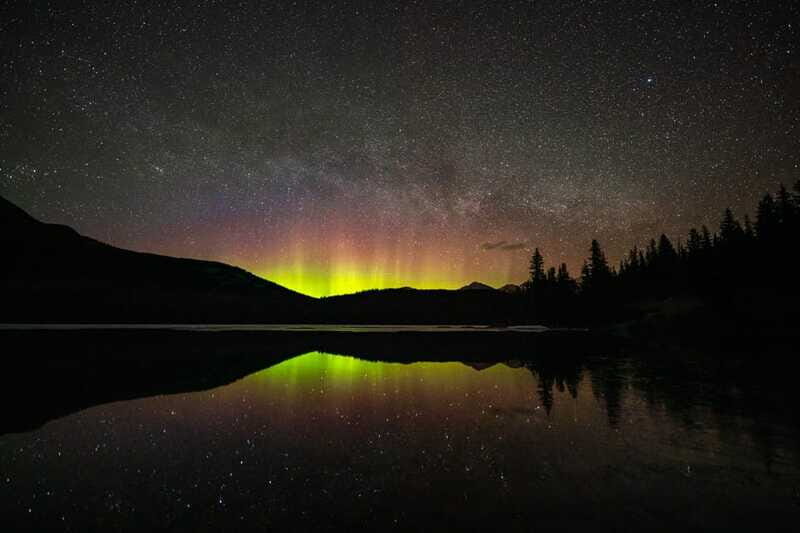
A highlight built into the experience is learning about local Indigenous constellations. This gives the sky lesson meaning beyond astronomy basics. It also nudges you to consider the sky as something people have watched, used, and described long before telescopes.
I’d treat this segment as more than a cultural add-on. It’s a way to broaden how you interpret what you see. Even if you already know modern constellations, this perspective can make the stars feel more grounded in place.
Because this part is part of the guided flow, stay present through it. Don’t assume you’ll “catch up later.” The value comes from being guided live as the stories connect to the actual sky overhead.
Where reviews line up: what tends to land well, and what to watch for
The most praised parts tend to be the people and the interaction. When the guides are doing their thing—explaining, answering questions, and keeping the pacing lively—you’re far more likely to feel like the tour delivered on its promise, even if you’re not an astronomy person.
You’ll also likely appreciate that the tour mixes multiple tools: dome learning, telescopes, lasers, and binoculars. That variety reduces the chance you’ll feel stuck in one mode all night.
The main caution is the weather-and-visibility mismatch risk. On clearer nights, the experience can feel full and complete. On cloudier nights, the outdoor “what you see” portion can shrink, and you might feel shortchanged if your main goal was telescope viewing at the highest clarity.
There’s also an operational detail worth knowing: some setups can feel more “outdoor event” than “planetarium museum.” If you’re picturing a big, glamorous indoor planetarium space every minute, temper that expectation. The dome theatre exists as part of the experience, but the rest of the evening is also clearly designed as an outdoor dark-sky program.
The good news: the tour includes a 2-year rain check for aspects not clear the night you attend. That’s not a magic fix, but it does give you a second shot at the sky portion.
Price and value for $102 per person in Jasper
At $102 per person for a 3-hour experience, you’re paying for more than a quick stargazing walk. You’re buying a full program: dome admission, guided telescope access, binoculars for the constellation segment, and Q&A time with astronomy guides.
The value gets stronger if you take the experience as a learning night, not just a photo opportunity. If you want to understand the sky, the structure matters. The dome explains. The outdoor segment lets you apply it. The binoculars and laser guidance turn “maybe I saw something” into “I learned where to look.”
What can lower value for some people is if you’re expecting maximum telescope detail in any weather. The tour gives you the tools, but the sky decides the quality of what you’ll see. If your trip has only one realistic evening, choose it wisely and pack for cold.
Practical tips to make your night smoother
A few things will make a bigger difference than most people expect.
Bring weather-appropriate clothing. Jasper evenings can turn quickly, and you’ll be outdoors for the dark-sky segment. Layering matters more than you think.
Arrive early enough to check in. You must check in 15 minutes before departure at the Planetarium Retail Desk inside the Main Lodge at Jasper Park Lodge (walk past the front desk; the retail desk is in the SW corner of the lobby, across from the Emerald Lounge). Late arrivals won’t be admitted, since it disrupts the group flow.
Know what you can’t do. Smoking and vaping are not allowed. Food and drinks aren’t included, and photography inside is not permitted. Plan on enjoying the sky without relying on photos or recording.
Also, if you’re sensitive to low-light walking, remember there’s a transfer to the dark-sky site and time spent outside. Wear shoes you trust.
Who this Jasper Planetarium experience fits best
This tour is a strong match if you like guided learning and you want to leave with a sky you can actually recognize. It works well for couples and families because it uses multiple formats: dome teaching, Q&A, telescope access, lasers, and binocular viewing.
It’s open to all ages except children under 4 who are not permitted in the Planetarium Dome Theatre. It also isn’t suitable for people with mobility impairments based on the tour’s requirements.
If you’re going with a group of astronomy beginners, this is a good style. You’ll get the basics without being talked down to, and the guides have time to answer questions.
Should you book the Jasper Planetarium Dark Sky Experience?
I’d book it if you want a structured, guided night sky program in Jasper with real tools: dome learning, telescope access, binoculars, and a laser-guided constellation lesson. The inclusion of local Indigenous constellations is a meaningful bonus, not a throwaway.
I’d hesitate only if your plan depends on perfectly clear skies for the “best possible telescope viewing” and you can’t afford the risk of a reduced outdoor experience. Weather matters here, and while the 2-year rain check helps, it only works well if you’re able to use it.
If you’re flexible and you treat this as a guided learning night, it’s a great use of a Jasper evening.
FAQ
FAQ
How long is the Jasper Planetarium Dark Sky Experience?
It lasts 3 hours.
Where do I check in for the tour?
Check in at the Planetarium Retail Desk inside the Main Lodge at Jasper Park Lodge. Walk straight past the front desk; the retail desk is in the SW corner of the lobby, across from the Emerald Lounge.
What’s included in the ticket price?
Your ticket includes admission to the Planetarium Dome Theatre, telescope access, binoculars for the constellation binocular tour, free parking, and Q&A with the tour guides.
Is the tour good for kids?
It’s open to all ages, except children under 4 are not permitted in the Planetarium Dome Theatre.
Is photography allowed during the experience?
Photography inside is not allowed, and audio recording is also not allowed.
Do I need to bring food or drinks?
Food and drink are not included. You’ll want to plan accordingly before or after the tour.
What should I wear or bring?
Wear weather-appropriate clothing for an evening outdoors.
What happens if it’s cloudy and I can’t see the stars well?
If aspects of the tour aren’t clear the night you attend, you can return using a 2-year rain check with no additional charge.