Ottawa has a weird side. This Hidden Ottawa Secrets Walking Tour turns familiar landmarks into a fast, funny, story-driven walk that focuses on odd laws, improbable decisions, and the city’s backstage rumors. I love how the route stays compact and easy to follow—you’re never far from the next stop.
I also like that it feels built for questions. With a small max group size (up to 20), guides can actually talk with you, not just at you. Names like Rachel and Talia come up for strong storytelling and keeping the energy moving.
One possible drawback: if you’re expecting heavy, verifiable, point-by-point history all the way through, this is more of a “stories and legends” tour than a formal lecture. On any walking tour, pacing can depend on the guide and the day’s group mood.
In This Review
- Quick highlights you’ll feel after 90 minutes
- Where this tour fits in your Ottawa trip
- Price and time: what $25.31 really buys
- Starting at 46 1/2 Sparks St.: get your bearings fast
- Sparks Street secrets: the historic street you think you already know
- Parliament Hill and the bizarre-law angle
- National Arts Centre: early mayors and almost-made decisions
- Fairmont Château Laurier: Ottawa’s famous castle gets stranger
- The UNESCO Heritage Site through Ottawa’s core
- Major’s Hill Park: the occult question you didn’t expect
- York Steps: finishing at the ByWard Market edge
- What makes this tour work (and where it might not)
- Practical tips to get the most out of the walk
- Who should book this tour?
- Should you book the Hidden Ottawa Secrets Walking Tour?
- FAQ
- FAQ
- How long is the Hidden Ottawa Secrets Walking Tour?
- How much does the tour cost?
- Where does the tour start and end?
- Are admissions included at the stops?
- Do I need a printed ticket?
- How many people are in the maximum group?
- What happens if weather is bad?
Quick highlights you’ll feel after 90 minutes
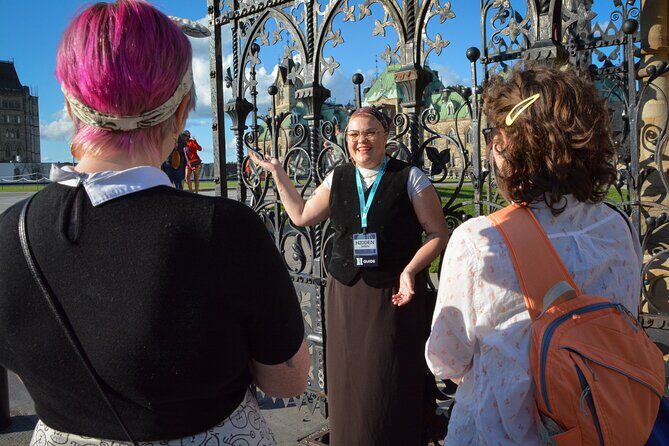
- Tight route, real landmarks: Sparks Street, Parliament Hill, National Arts Centre, Château Laurier, Major’s Hill Park, and York Steps
- Story-first stops: bizarre laws, missing money, early mayors, and decisions that almost happened
- No ticketed entry needed at major stops: the listed admissions are free at each stop
- Small-group format: capped at 20 people, which helps the guide answer questions
- Ends in the right place for wandering: York Street Steps in the ByWard Market
Where this tour fits in your Ottawa trip
Ottawa can be museum-heavy. This walk is the opposite. In about 1 hour 30 minutes, you get a concentrated hit of the city’s “wait, what?” side—small details, strange associations, and historical oddities tied to places you’ll recognize.
The value here is the way the tour connects dots in your mind. Instead of thinking of Ottawa as just government buildings and river views, you start seeing it as a place where rules got bent, money went missing, civic leaders made questionable calls, and certain corners earned their spooky reputation.
If you like tours that help you read a city, not just take photos, this one makes sense.
You can also read our reviews of more walking tours in Ottawa

Price and time: what $25.31 really buys
At $25.31 per person, you’re paying for guided storytelling and route planning more than for museum admissions. And that matters, because the listed stops are free for admission.
So the “cost” is mostly your time and shoes. The trade-off is you’re walking through central Ottawa—Sparks Street, Parliament Hill area, and the Château Laurier/arts corridor—without adding ticket costs on top. For an hour and a half, that’s solid value, especially if you want history-style context without committing to a full day.
Also, with a mobile ticket, you can keep it simple once you’re on the move.
Starting at 46 1/2 Sparks St.: get your bearings fast
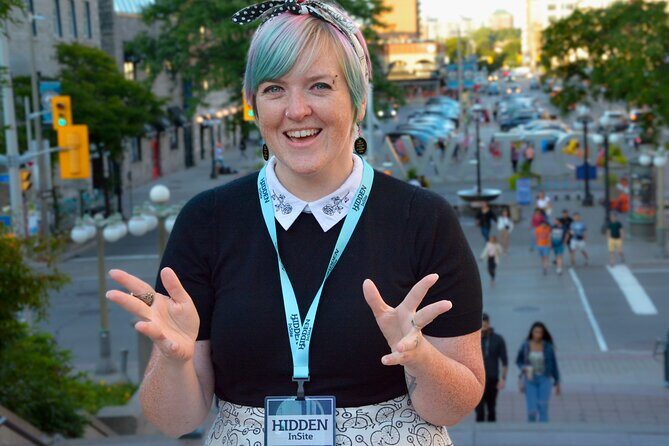
The tour begins at Haunted Walk of Ottawa, 46 1/2 Sparks St. That’s a practical choice. Sparks Street is one of the easiest places in downtown Ottawa to orient yourself, and it’s close to transit.
This start also sets the tone. The tour kicks off right on a historic, pedestrian-friendly stretch, so you’re not trudging through random blocks trying to figure out what you’re looking for. You go into “weird and whacky” mode immediately, which keeps the walk light even when you’re hearing darker legends.
Tip: plan to arrive a few minutes early so you can settle before the group moves.
Sparks Street secrets: the historic street you think you already know
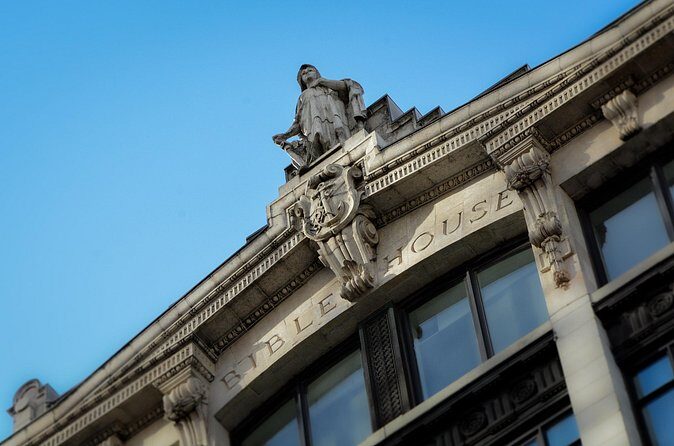
Your first real stop focuses on Sparks Street, with a dedicated segment (about 15 minutes). This is the kind of stop that works well early in the tour, because it frames how to listen.
Instead of reading a plaque and moving on, you’re getting the street’s stories in human size. Ottawa’s core has layers—who built what, who benefited, and what people whispered about while walking past the same buildings.
What to watch for: the way the guide connects Sparks Street’s prominence with what came later nearby. After this, Parliament Hill and the arts institutions don’t feel like isolated landmarks. They feel like part of the same political and cultural machine.
Parliament Hill and the bizarre-law angle
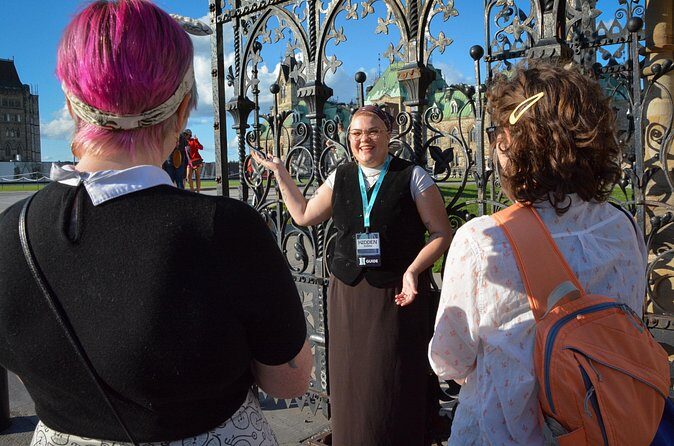
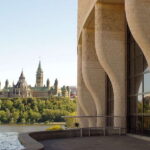
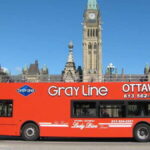
Next comes Parliament Hill and its buildings (about 10 minutes). This is short by design, and that’s okay. The tour uses the space to talk about oddities—bizarre laws and the topic of missing money.
Even if you’ve visited Ottawa before, this is where the tour changes your mental map. Government space can feel too formal, too official. Stories like these help you remember there’s a real human history behind the stone and flagpoles.
A drawback to keep in mind: because the stop is only about ten minutes, you’ll want to ask your questions quickly if you have specific interests. If you prefer slow, detailed explanations, you might enjoy this stop most if you come with a couple targeted questions ready.



National Arts Centre: early mayors and almost-made decisions
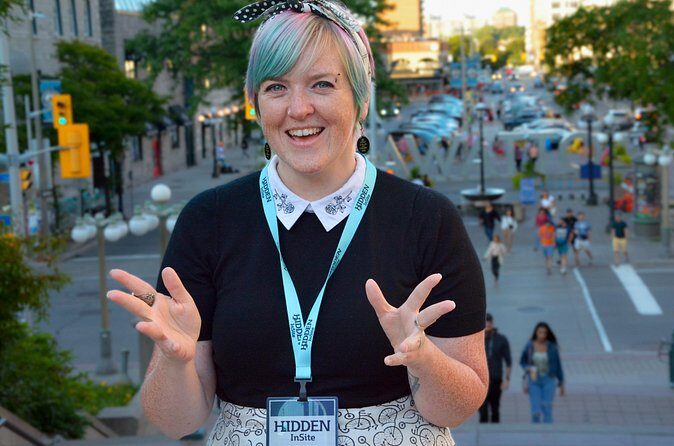
The National Arts Centre stop runs about 15 minutes, and it leans into civic drama. You’ll hear wild stories tied to Ottawa’s early mayors and the kind of unbelievable decisions that were nearly made.
This is a smart pivot in the tour’s pacing. You go from strict, national-political imagery at Parliament Hill to the creative-institution world. And you also get the reminder that arts buildings didn’t just appear because of good taste. They came from meetings, budgets, personalities, and arguments—often messy ones.
If you enjoy local governance stories and the real-life backroom side of city building, this stop is one of the most entertaining portions.
Fairmont Château Laurier: Ottawa’s famous castle gets stranger
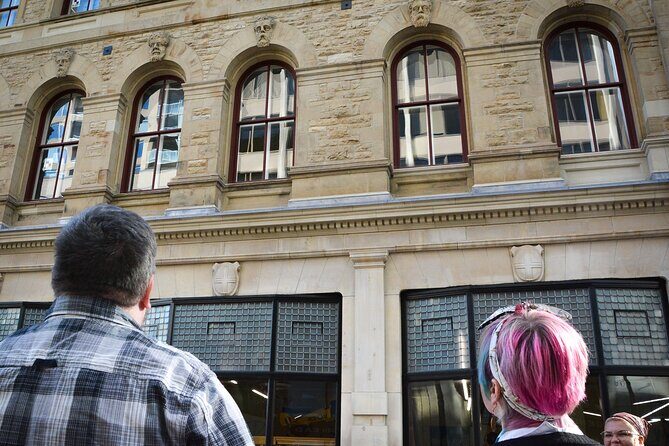
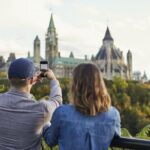
Then you reach Fairmont Château Laurier (about 10 minutes). The tour treats the place like a character with secrets—Ottawa’s famous castle, but with a side of rumor, symbolism, and surprising historical associations.
Why this works: Château Laurier is already visually dramatic. When the guide adds strange connections, it turns your photo stop into something you actually remember.
Keep expectations realistic, though. This isn’t a guided interior tour. It’s a story stop outside the property, so what you get is about context, not access.
The UNESCO Heritage Site through Ottawa’s core
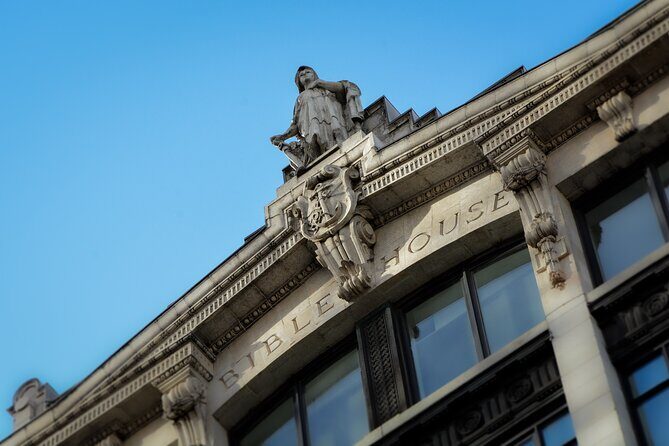
There’s a stop at a Uniseco Heritage Site that runs through the heart of the city. The wording in the tour materials doesn’t spell out which specific site, so treat it as a spotlight on a central, heritage-designated element and the stories tied to it.
This part is valuable because it widens the tour beyond government and landmark buildings. It nudges you to see Ottawa as a planned city with recognized historical importance, not just a collection of monuments.
If you’re trying to connect your walk to what you’ll see later (photos, signage, waterfront views), this stop is a good mid-route anchor.
Major’s Hill Park: the occult question you didn’t expect
At Major’s Hill Park (about 10 minutes), the tone turns more playful and more uncanny. The tour asks, in effect: what does this old park have to do with the occult?
Even if you’re not a “spooky stories” person, this stop can still be fun because it shows how folklore clings to real locations. Parks are where people linger, meet, and tell each other stories. When you hear legends tied to that kind of space, you start noticing the places where myths can grow.
What I like about this stop type: it doesn’t require you to believe anything literally. It’s more about understanding what people wanted to explain—fear, luck, mystery, or meaning—using the city around them.
York Steps: finishing at the ByWard Market edge
You end at York Steps (about 5 minutes) at 54-74 York St, which sits right by the ByWard Market area. This matters for two reasons.
First, you’re finishing on a photogenic, urban staircase landmark—great for one last look back at the day’s route. Second, you can roll directly into food, coffee, and browsing. The tour notes that guests who want to walk back to the ticket office are welcome, but the default end point puts you where you’d probably go anyway.
If you have energy left, this is a perfect time to wander through the market streets and let the stories you heard color your next hour of exploring.
What makes this tour work (and where it might not)
Based on the format and the way guides are described, the tour’s best ingredient is storytelling with sharp focus. People praise it for being more interesting than typical Ottawa walks, with details that don’t usually show up in the standard checklist approach.
You also get a friendly, question-friendly vibe. When the group is small, you can get more direct answers, and that’s a big deal on a walking tour where every corner has something to point at.
Here’s where it can miss for some people: if you want a calm, lecture-style history session—slow pacing, lots of sourcing, and minimal folklore tone—this might feel too quick or too “legend-forward.” Also, because it’s a walk through outdoor areas, the experience relies on steady attention from the group and the guide’s pacing.
If you’re the type who enjoys oddball Ottawa stories, you’ll likely have a great time. If you want only hard facts, you may still have fun, but treat it as a cultural storytelling lens.
Practical tips to get the most out of the walk
- Wear shoes made for short, steady walking. The total time is 90 minutes, but downtown surfaces add up.
- Bring a couple questions. This tour rewards curiosity—especially if you want the “why is that like that?” version of history.
- Go in with flexible expectations. It’s designed to be fun and slightly strange, not a classroom timeline.
- If the weather looks questionable, plan for adjustments. The tour is described as requiring good weather.
Who should book this tour?
I think this is a good fit if:
- You’re doing Ottawa for the first time and want a quick way to understand the city’s personality.
- You like guided walks where the guide brings locations to life with stories.
- You enjoy the odd corners of history—rumors, rules, and the human side of big institutions.
It might be less ideal if:
- You’re expecting a museum-style, deeply documented history tour.
- You prefer long stops and lots of time for reading and quiet observation.
Should you book the Hidden Ottawa Secrets Walking Tour?
If you want a low-commitment way to understand why Ottawa feels different from other Canadian capitals, this is an easy yes. For the price, the stop list hits major central landmarks, and the free-admission format keeps you from paying extra on the fly. The small-group structure also gives you a better shot at real interaction—especially if your guide is in storyteller mode.
My advice: book it early in your Ottawa trip if you can. You’ll understand the city’s references faster the rest of the week.
FAQ
FAQ
How long is the Hidden Ottawa Secrets Walking Tour?
It runs about 1 hour 30 minutes.
How much does the tour cost?
The price is $25.31 per person.
Where does the tour start and end?
It starts at Haunted Walk of Ottawa, 46 1/2 Sparks St., Ottawa and ends at York Steps, 54-74 York St., Ottawa.
Are admissions included at the stops?
The tour lists free admission for the stops included in the route.
Do I need a printed ticket?
No. You can use a mobile ticket.
How many people are in the maximum group?
The tour has a maximum of 20 travelers.
What happens if weather is bad?
The tour requires good weather. If it’s canceled due to poor weather, you’ll be offered a different date or a full refund.