REVIEW · BANFF
Helicopter Tour over the Canadian Rockies
Book on Viator →Operated by Rockies Heli Tours · Bookable on Viator
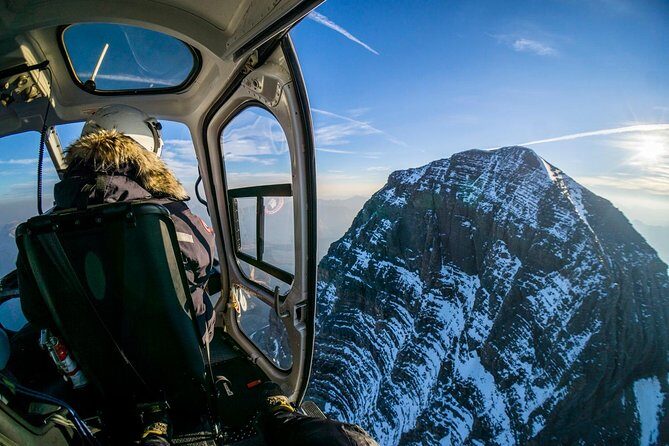
This ride turns the Canadian Rockies into a 360-degree movie. From Cline Pass to the six-glaciers region, you’re up high fast and you stay hungry for photos.
I like that it’s small-group (max six), so you’re not stuck watching through a crowd. I also like the human touch: pilots and guides use the flight to teach you what you’re actually seeing, and I’ve seen names like Owen, Jake, Aaron, Ralph, and Darren mentioned in connection with clear, safety-first guidance.
One thing to plan for: the heliport meeting point is in the Clearwater County area, so you should expect real travel time getting there from Banff.
In This Review
- Key highlights worth building your day around
- Why this Banff helicopter route feels different than a quick circle
- Small group and good airtime: the real value behind the price
- Flight length affects how much you truly get
- First lift-off: leaving the valley and hitting Cline Pass at 10,000 ft
- The heart of the tour: the “6 Glaciers” stop-by-stop view
- Michelle Lakes and Golden Trout: waterfalls, elevation, and water chemistry vibes
- Cline River Valley to White Goat Provincial Park
- The oxidized orange mountain: ferric iron from the sky
- Abraham Lake on the return: glacial blue water in a final sweep
- Price and flight-time value: what to pay for, what to skip
- A word about seating and visibility
- Logistics from the meeting point: what to know before you go
- Weather, safety, and why reroutes are part of the deal
- Who this Banff Canadian Rockies helicopter tour is best for
- Weight consideration
- Should you book this helicopter tour?
Key highlights worth building your day around
- A tight group (max six), with more equal viewing from the air
- UNESCO Canadian Rockies views, framed by a purpose-built flight route
- Cline Pass from about 10,000 ft, a first big wow moment early on
- The “6 Glaciers” sequence, named glaciers in one soaring loop
- Michelle Lakes + Golden Trout details, plus two waterfalls worth watching
- Abraham Lake on the return, with glacial-blue water in your final look
Why this Banff helicopter route feels different than a quick circle
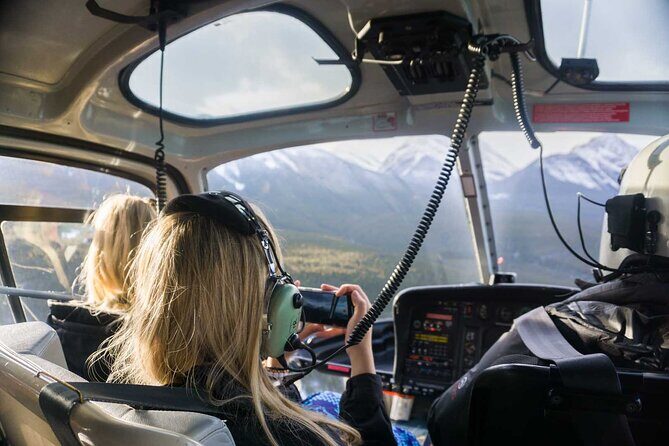
A lot of “helicopter tours” become glorified turns around the same valley. This one is built more like a scenic circuit, with clear waypoints. You start by rising out of the valley and looking outward over passes and ridges, then the flight bends toward glaciers and lakes, and you finish with a signature water view on the way back down.
That matters, because the Rockies are not one single view. They’re layered: passes, ice, rock walls, waterfalls, and wide valleys that only make sense when you see them from above. The itinerary does that work for you—especially the part that aims you at the Cline Pass area, then moves through a defined set of glacier names, then continues to Michelle Lakes and waterfalls, and finally returns with Abraham Lake in the mix.
A few more Banff tours and experiences worth a look
Small group and good airtime: the real value behind the price
At $198.35 per person, the ticket is not cheap. But you’re paying for two things most land-based tours can’t deliver: access and altitude. Helicopters shorten the distance between “looks amazing from a viewpoint” and “you’re actually looking across the whole system.”
The second value factor is control. With a maximum of six travelers, you’re less likely to feel herded. It also gives the pilot and guide room to shape the flight for what’s visible that day. One guest even praised how the pilot made sure both sides of the helicopter saw things equally, which is exactly what you want for sightseeing.
Flight length affects how much you truly get
The duration runs roughly 20 to 55 minutes, depending on which option you book. Short flights can still be spectacular, but they compress the story. If you can afford the longer option, you’ll usually get more of the route’s full arc—especially if weather forces the pilot to reroute.
First lift-off: leaving the valley and hitting Cline Pass at 10,000 ft
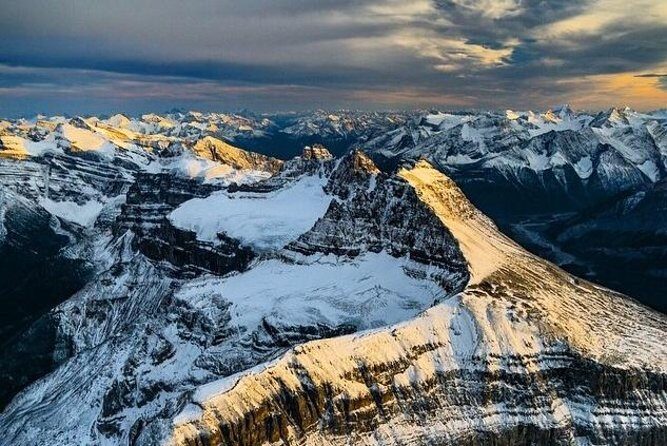
The tour’s rhythm starts with a climb from the valley and into the entry creek area. Then you head toward Cline Pass at about 10,000 ft (3,048 m) for a broad panoramic look at the Rocky Mountains.
This moment is more than a thrill. At that height, the Rockies start to read like a map. You can spot how valleys connect, where water runs, where ridges form natural boundaries, and how the glacier areas sit higher up than the lakes and creeks below. If you like photography, this is where wide-angle thinking pays off—think “show the whole system,” not just close-ups.
One small practical note: commentary usually comes through the headset, and a couple people found it slightly hard to catch at times. If you know you sometimes miss audio (wind, volume, hearing sensitivity), try to ask staff what to do so you get clear sound before you take off.
The heart of the tour: the “6 Glaciers” stop-by-stop view
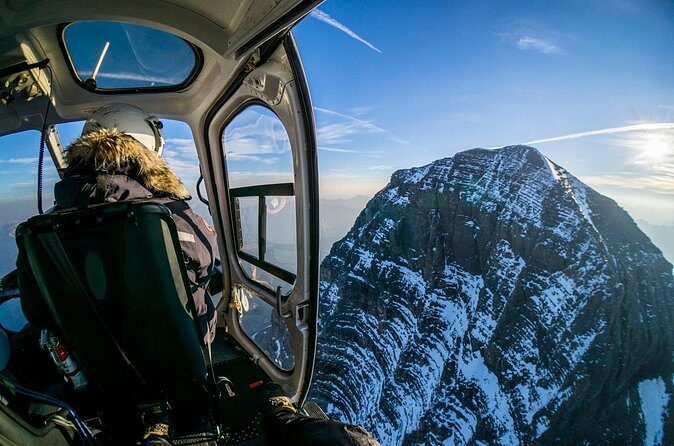
After the pass panorama, the flight reduces altitude for the main highlight: The 6 Glaciers—a named cluster that includes:
- Cline Glacier
- White Goat Glacier
- Lion Glacier
- Lioness Glacier
- Resolute Glacier
- Hanging Glacier
Seeing glaciers as a single sequence is powerful because glaciers don’t look like one uniform thing. From the air, you can differentiate ice shapes, flow lines, and how each glacier sits against surrounding rock. Even if you don’t know glacier science, the aerial view makes the differences obvious.
And yes, weather can shape what you see. One guest noted that cloud cover meant the pilot wasn’t comfortable flying into certain pockets, and they were honest about it. That’s not a failure. It’s what safety-first decision-making looks like, and it usually leads to better overall views rather than a forced, cramped route.
Michelle Lakes and Golden Trout: waterfalls, elevation, and water chemistry vibes
Next comes Michelle Lakes, including the Twin lakes area divided by a 50 ft (15 m) waterfall. This is where the tour adds a biology and geology hook: the waterfall is tied to the presence of Golden Trout.
From a sightseeing perspective, waterfalls from above are tricky in a good way. You’re close enough to understand what’s happening, but high enough to see how the water feeds the system below. The tour then moves to a second major drop: a 900 ft (275 m) waterfall where the flow plunges into Waterfalls Creek.
Michelle Lakes sits at about 7,545 ft (2,299 m), which helps you understand why the scenery changes as the flight goes on. Higher elevation means colder air and often a different look in the vegetation and rock tones. From above, you’ll notice transitions fast—valley first, then mountain systems, then the water networks cutting through.
Cline River Valley to White Goat Provincial Park
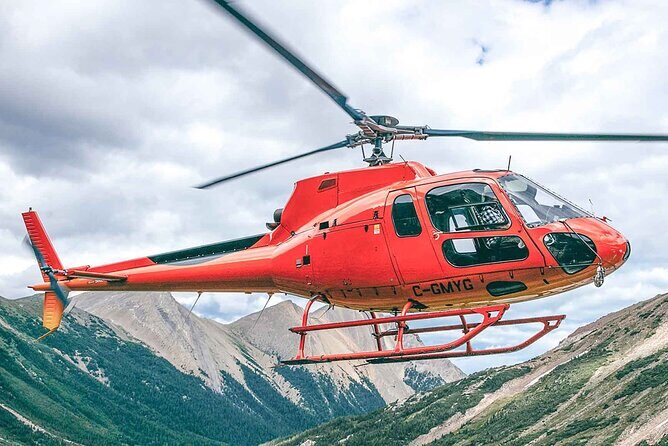
After the lakes and waterfall sequence, the flight continues back toward the Cline River Valley, flying by White Goat Provincial Park.
If you’re the type who likes “where does this fit?” moments, this is the section that ties the story together. Glaciers feed meltwater. Meltwater funnels into creeks. Creeks join river systems. And those systems carve the valleys you end up seeing on the first part of the route.
This also tends to be a great stretch for video. The light can change quickly, and having the drone-like steadiness of a helicopter view gives you smooth angles for longer clips—especially when you’re watching water lines trace out the terrain.
The oxidized orange mountain: ferric iron from the sky
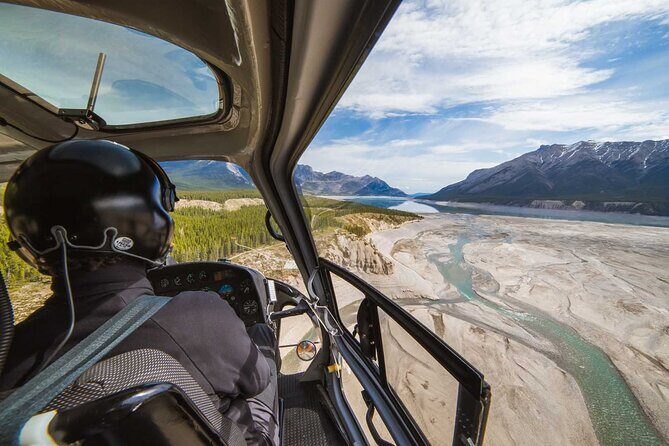
One of the most memorable details in the route is a visual oddball: looking east, you’ll see a mountain with an oxidized orange tone caused by ferric iron content.
That’s one of those geology details that sounds like a textbook until you see it from altitude. From the ground, you might notice color. From the air, you see how the color aligns with slope, rock layers, and exposure. It gives you a new appreciation for how the Rockies got their look.
It’s also a nice reminder that you’re not only viewing scenery—you’re viewing a set of processes still happening across time.
Abraham Lake on the return: glacial blue water in a final sweep
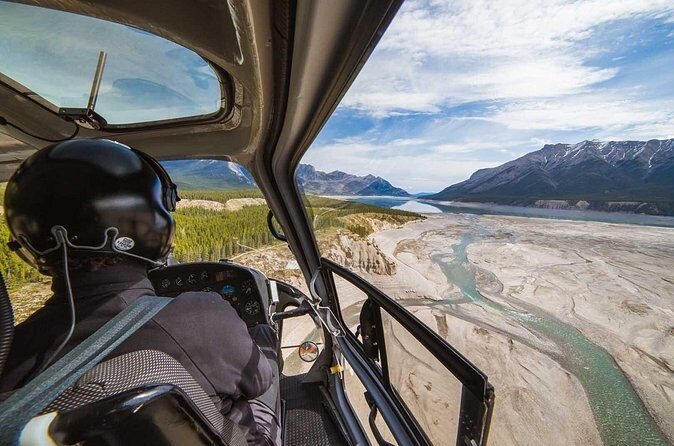
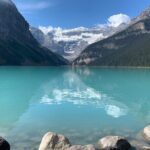
As you begin the long descent to the heliport, the tour includes a strong payoff: a vista of Abraham Lake with glacial-blue water.
This part works because Abraham Lake visually contrasts with the darker rock and the white ice earlier in the flight. Glacial-fed water can look almost unreal, and from above you get to see how color fades and shifts across the lake—often hinting at where water is coming from and how sediment spreads.
If you care about photos, treat this as your closing chapter. You’ll want a clean lens wipe moment before you land, because the last look often feels the most “wow” even though you’ve already seen a lot.
Price and flight-time value: what to pay for, what to skip
Here’s how I’d think about the money.
You’re paying for:
- helicopter access to high, glacier-heavy terrain
- a small-group experience
- guided interpretation through the route
- a route design that hits major “best-of” features rather than one viewpoint
What you’re not paying for:
- a cushion of extra time on your schedule
- flexibility of self-driving to multiple spots
So the real value decision is: do you book the shortest option or the longer one?
If you only have time (or budget) for a 20-ish minute flight, you’ll still get big imagery fast. But the trade-off is that you may miss some of the route’s “story beats.” On longer flights, you can absorb more: pass panorama, six-glaciers sequence, Michelle Lakes and waterfalls, then the return sweep toward Abraham Lake.
A word about seating and visibility
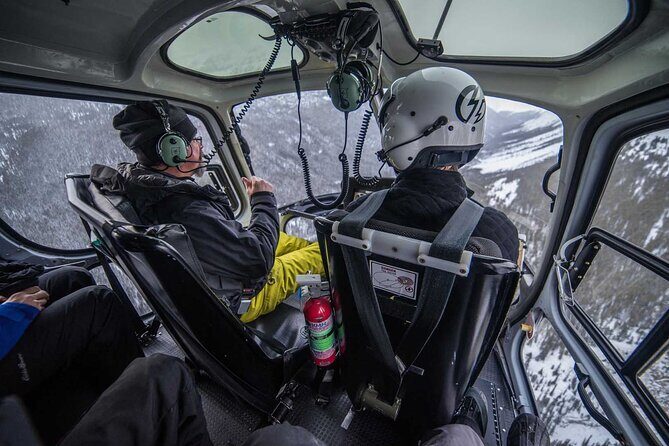
One person reported that on a 20-minute flight, the remaining seats were rear-facing, which reduced forward viewing. You can’t always control seat assignments, but if you’re planning for the shortest option, I’d ask staff how seating typically works and how to maximize sightlines for everyone.
Logistics from the meeting point: what to know before you go
This tour starts and ends at the heliport: Rockies Heli Canada, Clearwater County, AB T0M 2H0. It does not include hotel transportation, so you’ll need to arrange your own ride to the meeting point.
That matters because helicopters run on weather and schedule discipline. If you’re relying on a pickup plan, build buffer time. The drive is not the part you’re paying for, but it can ruin the mood if you’re rushed.
You’ll also want to bring your patience for weather-related shifts. Even when flights happen, the pilot may alter the route for cloud cover or comfort. One guest described a postponement due to weather that turned out better the next day, which is a common reality in the mountains.
Weather, safety, and why reroutes are part of the deal
The tour depends on good weather. When conditions are borderline, two things happen:
1) the flight may get postponed
2) the pilot may adjust the route and altitude to keep you safe and keep the views worthwhile
This is also where the pilot’s judgment is your best insurance. The best experiences I’m hearing about emphasize calm, steady flying and clear communication. Names like Jake (pilot) and Darrin/Darren (pilot) come up in connection with keeping the ride smooth and the guidance engaging.
So if you’re the nervous type, don’t interpret changes in route as chaos. It’s the system working.
Who this Banff Canadian Rockies helicopter tour is best for
This tour is a great fit if:
- you want a top-tier aerial view without spending half a day driving and hiking
- you’re interested in geology and glacier terrain, not just generic scenery
- you want small-group intimacy (max six)
- you’re excited by waterfalls and high-elevation lakes seen from above
It may be less ideal if:
- you’re prone to motion discomfort (helicopters can feel different from planes)
- you hate last-minute schedule shifts due to weather
- you’re traveling with tight timing and no buffer for the drive to the heliport
- you’re very sensitive to headset audio clarity
Weight consideration
There’s a total weight per passenger limit of 250 lbs listed for the experience. One guest also mentioned an extra surcharge for passengers above that threshold. If your weight is close to the limit, I’d confirm the policy directly with the operator before booking so there are no surprises.
Should you book this helicopter tour?
If you want the Canadian Rockies from above, this is one of the most straightforward ways to do it. The route is built around real “big picture” targets: Cline Pass, a six-glacier run, Michelle Lakes and waterfalls, and a final look at Abraham Lake. Add in the small group size, and you get a feel that’s more personal than the big cattle-car sightseeing style.
I’d book it if you can handle the non-Banff meeting point and you’re aiming for either a longer flight option or a very focused short one. I wouldn’t book it if you need hotel pickup, you don’t have transportation to the heliport, or you’re expecting the pilot to follow a rigid plan no matter what the sky is doing.
If your goal is simple—see glaciers and glacier-fed water systems from the air—this is the kind of trip you’ll remember when you go back down to street level.