REVIEW · CANMORE
Discover Ancient Pictographs – Guided Canyon Hiking Tour 3H
Book on GetYourGuide →Operated by Banff & Canmore Tours · Bookable on GetYourGuide
Canyon walls tell stories if you listen. This 3-hour guided hike in Canmore pairs ancient Indigenous pictographs with an expert local guide who brings the canyon’s geology and living landscape to life. I especially like that the tour is designed for real safety in bear country, so you get the history and the views without feeling like you’re on your own. One consideration: it’s not a good fit if you’re pregnant, have mobility limits, or have pre-existing medical conditions.
I also like the pace. You get comfortable small-group hiking (max 6) and enough time to stop, look, and ask questions while you move through canyon areas, caves, and viewpoints. Expect two waterfalls and photo-friendly scenery, with the guide ready to help you find the best spots from the trail.
At $69 per person, the value comes from what you don’t have to plan: a certified guide, round-trip transfer from the Canmore Recreation Centre, and hiking poles year-round (plus ice cleats in winter). Food and drinks are not included, so you’ll want to plan ahead for water and a snack.
In This Review
- Key highlights you’ll care about
- Canmore canyon hiking: the timing and how the 3 hours runs
- Possible drawback: conditions can change
- Meeting your guide and staying safe around bears
- What “small group” really means on the ground
- Two waterfalls and canyon views without feeling rushed
- Indigenous pictographs: how the tour helps you see what matters
- How to get the most from the pictographs stop
- Canyons and caves: geology, plants, animals, and practical learning
- Possible drawback: it’s not an easy walk for everyone
- What you get for $69, plus what to bring yourself
- Small details that can matter
- Who this guided pictograph canyon hike is best for
- Who should skip it
- Should you book the Ancient Pictographs guided canyon hiking tour?
- FAQ
- FAQ
- Where is the meeting point?
- How long is the tour?
- What group size should I expect?
- What’s included in the price?
- Are food and drinks included?
- Does the tour include transportation from hotels?
- What safety equipment is provided?
- Is the guide available in English?
- Is the tour free to cancel close to departure?
Key highlights you’ll care about
- Small group (max 6) means more Q&A time and a calmer hike
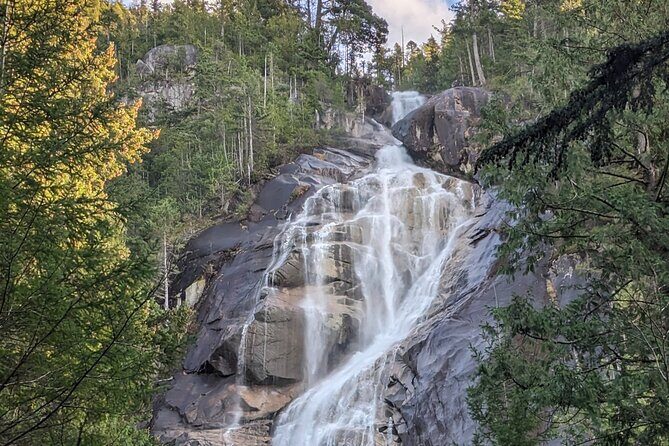
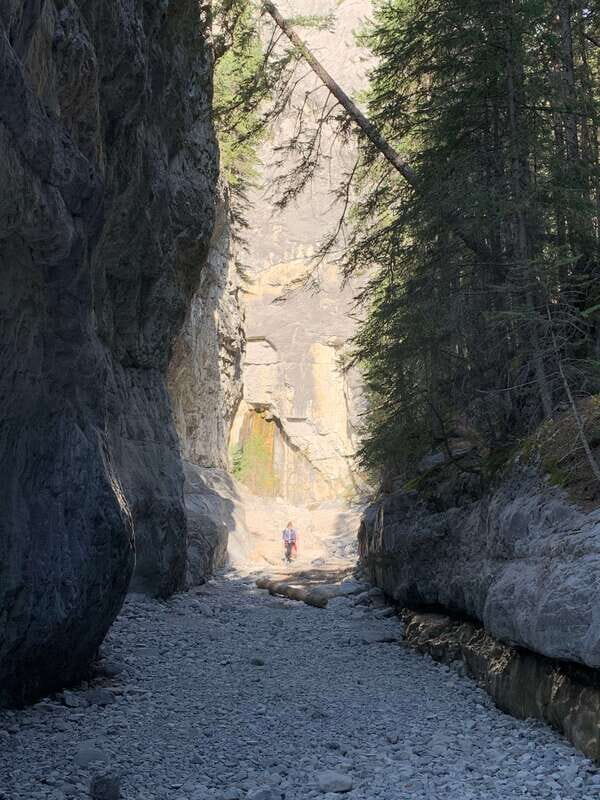
- Two waterfall stops with picture-friendly canyon scenery
- Ancient pictographs on rock faces, explained with cultural context
- Canyons and caves explored with an expert local guide
- Safety gear on hand, including bear spray and a first aid kit
- Support for winter conditions, with ice cleats supplied only in winter
Canmore canyon hiking: the timing and how the 3 hours runs
This tour starts at the Canmore Recreation Centre, with the guide meeting you outside the main doors. Look for a black hat and a clipboard. From there, you’ll take a short coach ride (about 15 minutes) to the trail area, then you’ll spend about 2.5 hours on the move with the guide.
What I like about this format is that it keeps the day simple. You’re not driving yourself, and you’re not stuck on a long day hike. The total time feels like a solid outdoor outing that still leaves your afternoon flexible for Banff-area sights afterward.
You’re also getting some scenic time on the way. Along with the walking, you’ll get guided views as you travel through the Canadian Rockies area—useful if you’re more “see it, learn it, then move on” than “do everything slowly for eight hours.”
You can also read our reviews of more guided tours in Canmore
Possible drawback: conditions can change
Because this is a canyon walk, weather and ground conditions matter. One guide named Jake handled a weather change by suggesting an alternate hike instead, with the same personalized feel. Still, go in expecting the guide may adjust the route to keep things safe and enjoyable.
Meeting your guide and staying safe around bears
Safety isn’t treated like an afterthought. You’ll hike with a professional certified guide, and the tour includes bear spray and a first aid kit. That matters most in canyon areas where you’re focused on footing, rock features, and the guide’s storytelling—having safety gear ready helps you keep the experience enjoyable.
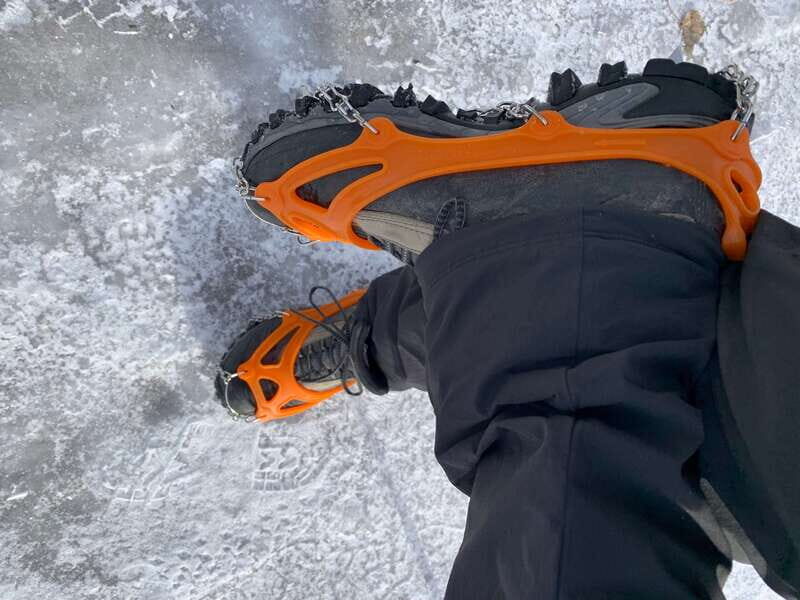
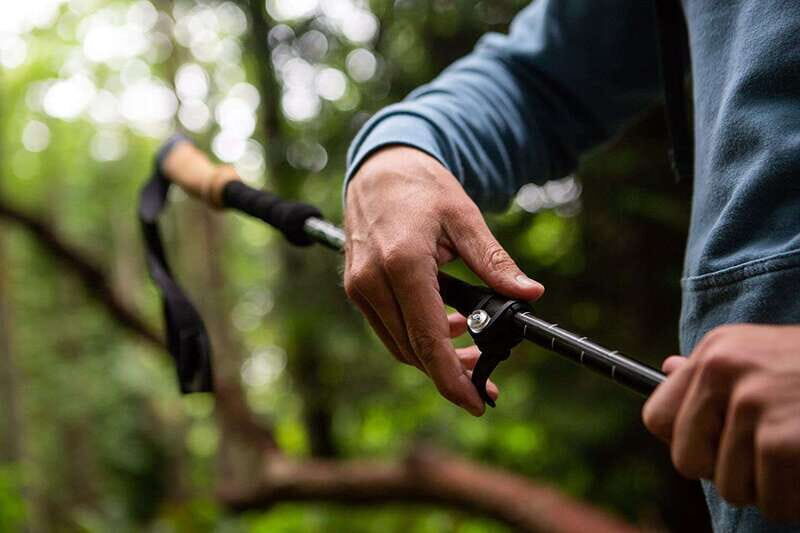
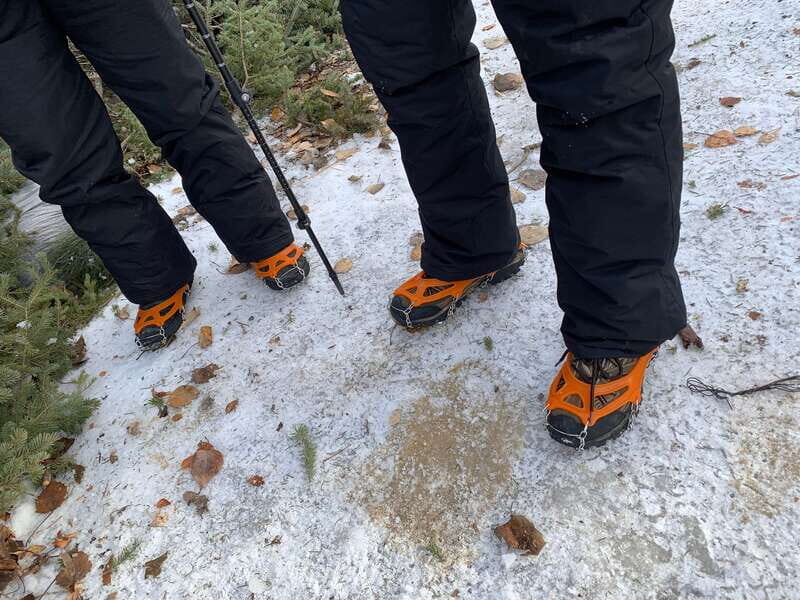
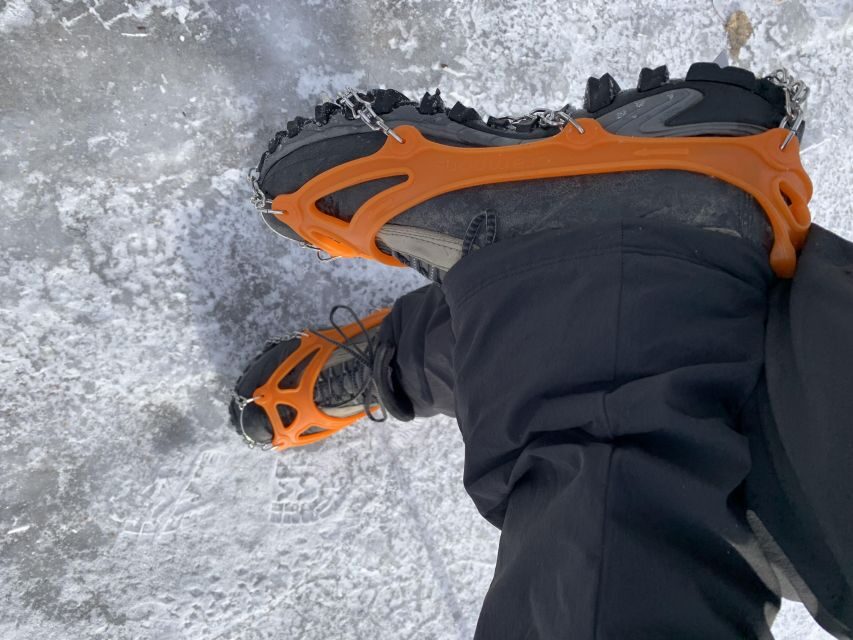
You also get practical gear from the start. Hiking poles are supplied year-around, which is a big help if the trail has uneven sections or if you just want more stability. In winter, ice cleats are provided, so you’re not stuck figuring out traction at the last second.
The guides also sound tuned for real interaction, not just a lecture. For example, Ben is described as super helpful and accommodating, funny and personable, and interactive. Jacob is noted for being patient and safety minded, and even customizing a hike to fit a family’s limited hiking experience.
What “small group” really means on the ground
With a max group size of 6, you’re less likely to lose the guide or feel rushed at each stop. It also means the guide can slow down when someone has questions—especially during the pictograph and canyon explanation parts, where you’ll want to look carefully.
Two waterfalls and canyon views without feeling rushed
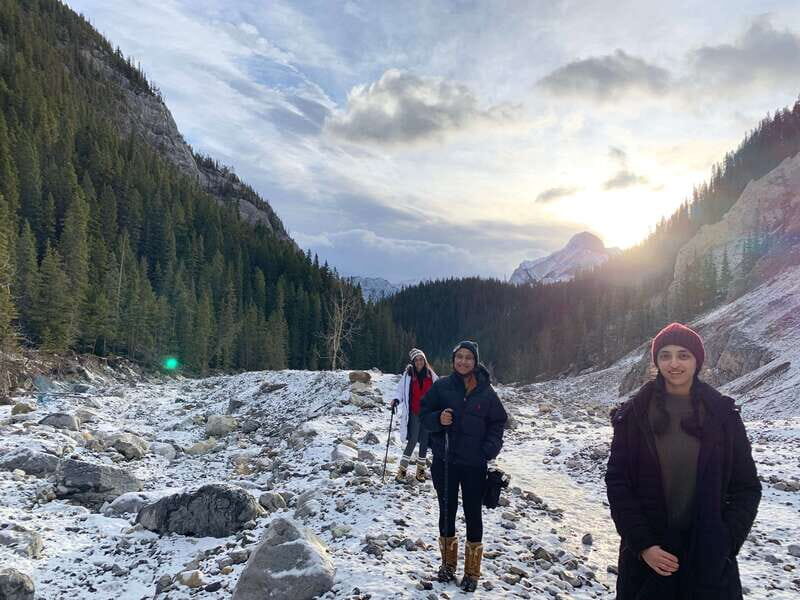
The tour is built around memorable scenery: you’ll hit two waterfall areas during your time outside. These stops are the kind of places where you’ll naturally pause for photos, then pause again to listen—because the guide will tie what you’re seeing to how the canyon formed and how people have lived around it for a long time.
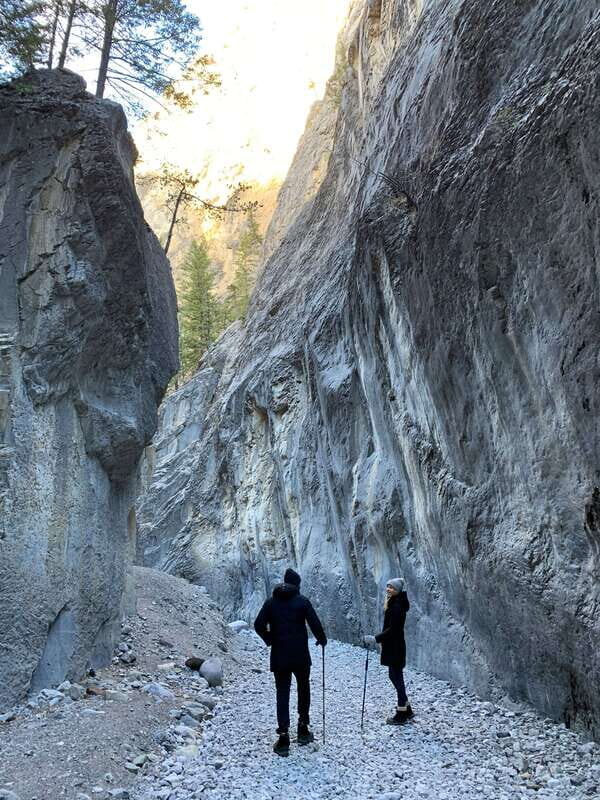
The route also includes canyons and caves, which changes the feel from open views to tighter, rock-walled stretches. That contrast is part of why the tour is fun: you get variety in how light hits the rock, where water gathers, and where you can stand to see the falls from different angles.
A potential consideration is that waterfalls can mean spray and damp footing. Even if you’re not expecting a muddy hike, you’ll want to pay attention to traction and what the guide tells you to do with your poles and step placement.
You can also read our reviews of more hiking tours in Canmore
Indigenous pictographs: how the tour helps you see what matters
The standout feature here is the chance to discover ancient and Indigenous pictographs on the canyon’s rock faces. These painted artworks are the kind of thing you could easily pass by if you didn’t know where to look. With a guide, you’re not just seeing marks on stone—you’re learning how to interpret them in the context of Indigenous storytelling and the region’s long importance.
I like that the tour frames the pictographs alongside broader context. You’ll hear about the role this area has played for many Indigenous peoples, and the guide explains the canyon’s geology and the forces that shaped its rock formations. That combination matters because it connects the art to place—why these walls, these forms, and these water routes would matter to the people who lived with them.
The tour also gives you room to talk. You’ll have chances to engage with the guide, ask questions, and share thoughts. That makes the pictograph viewing feel less like a checkbox stop and more like a conversation.
How to get the most from the pictographs stop
During pictograph moments, look slowly and don’t rush your photos. The guide’s explanations help your brain lock onto the right details, and you’ll understand better why the guide points out specific features.
Also, ask questions if something doesn’t feel clear. The tour’s format is designed for interaction, and that’s where you’ll get the best payoff.
Canyons and caves: geology, plants, animals, and practical learning
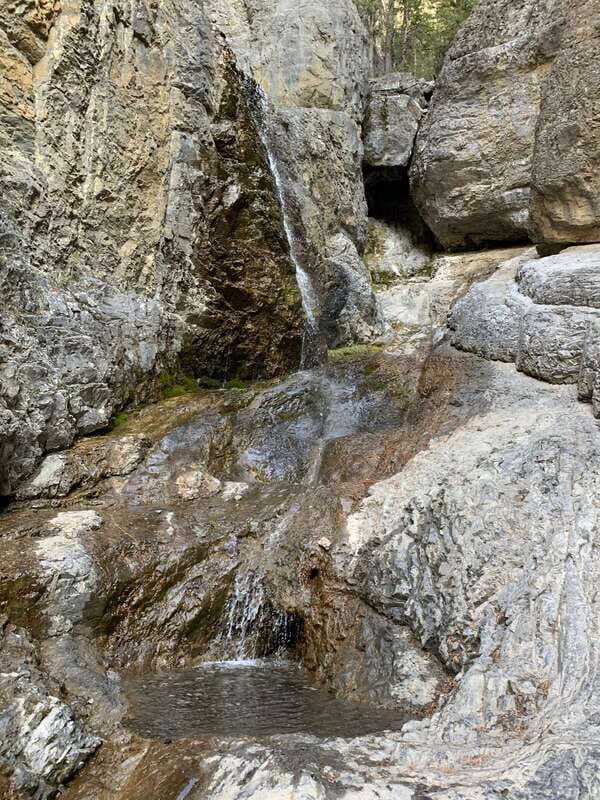
Beyond the pictographs, you’ll explore canyons and caves with the expert guide. The guide shares tales about how the area formed—geology you can actually picture, not just abstract facts. You’ll hear about ancient forces that shaped the canyon’s rock formations, and then you’ll connect that to why the region matters to Indigenous peoples.
One of the most useful parts is the “living around here” angle. Your guide may elaborate on traditional uses of local plants and animals—how Indigenous people relied on their surroundings for sustenance, shelter, and medicine. Even if you don’t memorize every example, it changes how you view the trail. You start noticing not just what’s pretty, but what’s useful, what’s seasonal, and what the canyon offers.
Caves also change the listening experience. Without needing to guess, you’ll rely on the guide to show what to look for and where it fits into the bigger story of the rock and the water system.
Possible drawback: it’s not an easy walk for everyone
This is listed as not suitable for mobility impairments and people with pre-existing medical conditions. Also, pregnant women aren’t listed as suitable. If any part of walking on uneven ground or spending time outdoors is a question for you medically, it’s worth consulting a professional before booking.
What you get for $69, plus what to bring yourself
Here’s the value breakdown in plain terms: you’re paying for a guided learning hike plus practical help getting there. For $69 per person, you get:
- a professional certified guide
- transfer to and from the designated meeting point
- hiking poles supplied year-around
- ice cleats supplied in winter
What you don’t get:
- food and drinks
- hotel pickup and drop-off
That means you should plan to bring your own water and something small to eat, especially if you’re the type who gets hungry halfway through a hike. You’ll also want layers. Canyon areas can shift from sunny to cooler, and you’re outdoors the whole time.
Small details that can matter
A few tour design choices are quietly helpful:
- Meet at the Recreation Centre keeps it simple and predictable
- Short coach transfer saves your energy for the walking
- Gear supplied means you don’t need to shop or improvise last minute
If you’re traveling with kids, there’s a bit of good news too. One family mentioned that the tour accommodated kiddos under 10 using kids sized ice cleats in winter. That’s not something you should assume for every season, but it suggests the guides think about fitting gear to the group.
Who this guided pictograph canyon hike is best for
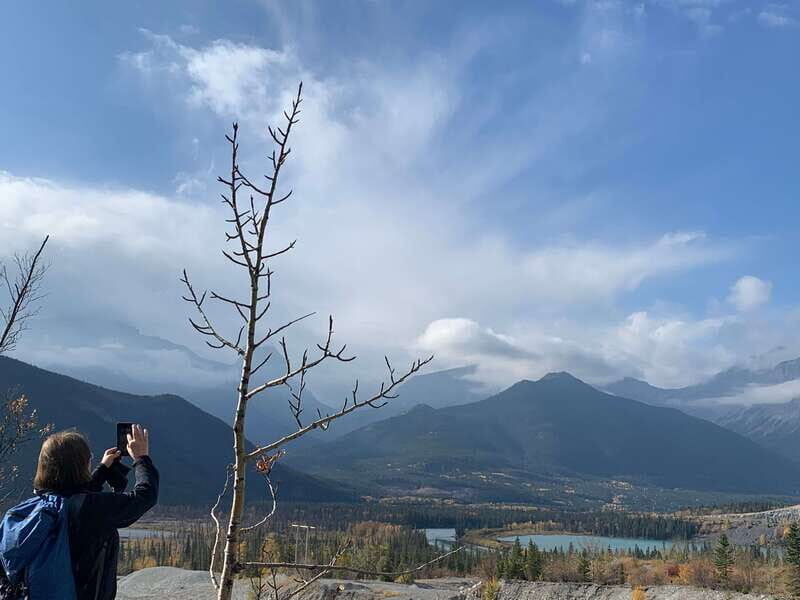
This tour is at its best if you want a guided outdoor experience that includes real cultural context, not just a scenic walk. If you like history tied to place—geology plus Indigenous storytelling—you’ll likely enjoy how the guide connects everything from rock formations to plants and animal uses.
It’s also a good fit if you prefer smaller group energy. Ben’s guide style is described as helpful, accommodating, and interactive, which usually shows up as a calmer hike and fewer awkward silences.
Families can work well too. Jacob customized a hike for a family with limited hiking experience while still showing beautiful trails. That tells you the guide is willing to adjust the pace and route to match your group’s comfort level.
Who should skip it
Skip this tour if you’re pregnant, have mobility impairments, or have pre-existing medical conditions. The canyon environment and walking demands make that limitation important.
And if you’re expecting a totally effortless stroll, go in with realistic expectations. This is a guided canyon hike with caves and uneven areas, so you’ll want to be comfortable moving outdoors for the full session.
Should you book the Ancient Pictographs guided canyon hiking tour?
If your ideal day is: short travel time, a small group, two waterfalls, and a guided look at ancient Indigenous pictographs, then this is a solid choice. The $69 price feels fair because it includes both the guided experience and practical logistics like transfers and supplied hiking poles. Add safety gear (bear spray and first aid kit), and you’re getting more than scenery.
I’d book it if you’re curious and want to ask questions. The guide-led Q&A, plus the pictographs and the storytelling around plants and animals, is where the tour earns its keep.
I would pause before booking if you’re dealing with mobility limits or medical concerns, since the tour is explicitly not listed as suitable for those situations. And if food is a must-have on the trail, note that you’ll need to bring it since nothing is included.
FAQ
FAQ
Where is the meeting point?
Meet your guide outside the main doors of the Canmore Recreation Centre. The guide will have a black hat and clipboard.
How long is the tour?
The guided tour runs about 3 hours total.
What group size should I expect?
The tour keeps groups small, with a maximum group size of 6.
What’s included in the price?
Included are a professional certified guide, transfer to and from the designated meeting point, hiking poles (supplied year-around), and ice cleats in winter.
Are food and drinks included?
No. Food and drinks are not included.
Does the tour include transportation from hotels?
No hotel pickup and drop-off is included. You’ll use the designated meeting point.
What safety equipment is provided?
The tour includes bear spray and a first aid kit.
Is the guide available in English?
Yes, the live tour guide speaks English.
Is the tour free to cancel close to departure?
You can cancel up to 24 hours in advance for a full refund.