REVIEW · BANFF
Canyoning half day – Heart Creek Canyon (beginner level)
Book on Viator →Operated by Bow Valley Canyon Tours · Bookable on Viator
Rappels in the Rockies feel doable. Heart Creek Canyon is a half-day beginner canyoning trip where you start with gear and a rope safety briefing, then work your way through five rappels plus scrambling and slides. It’s set up so first-timers aren’t thrown straight into the deep end—there are smaller rappels early, before the bigger drops.
I especially like the way the guides run a formal rappel and rope clinic before you go, including coaching you on safety and technique. I also love that the trip includes the full canyoning kit—helmet, harness, wetsuit, and neoprene booties—so you’re not hunting gear in Banff first.
One thing to consider: you’ll do a real hike up (including short steep bits), and you should expect to get fully wet. The last lower-canyon drops are always wet, so cold rain or spray isn’t a rare exception—it’s part of the deal.
In This Review
- Key Points
- Heart Creek Canyon Canyoning: The Beginner Setup That Actually Makes Sense
- Where You Meet and What Happens Before You Even Rappel
- The Hike Up: The Real Fitness Check (And Why Shoes Matter)
- Safety Clinic First: How the Guides Help You Relax
- The Canyon Descent: Five Rappels, Slides, and Scrambling
- Upper Canyon: Easing In
- Lower Canyon: The Wet, Fun Part
- Weather Reality in the Canadian Rockies: Rain, Cold, and Staying Warm
- What the Trip Is Like Timing-Wise: 4 to 5 Hours, Not a Full Day
- Cost and Value: Why $146.45 Feels Fair for a Guided Technical Sport
- Wildlife, Photos, and the Stuff You Can’t Add Without Going
- Should You Book This Heart Creek Canyon Canyoning Tour?
- FAQ
- Do I need prior rappelling experience for Heart Creek Canyon?
- How long is the hike to the canyon start?
- How fit do I need to be?
- What shoes are allowed, and will they get wet?
- Is the wetsuit and canyoning equipment included?
- Do you run the tour in rain?
- What should I bring for after the trip?
- Is pickup available from Banff or Canmore?
- Do I need a parks day pass to park at Heart Creek?
Key Points
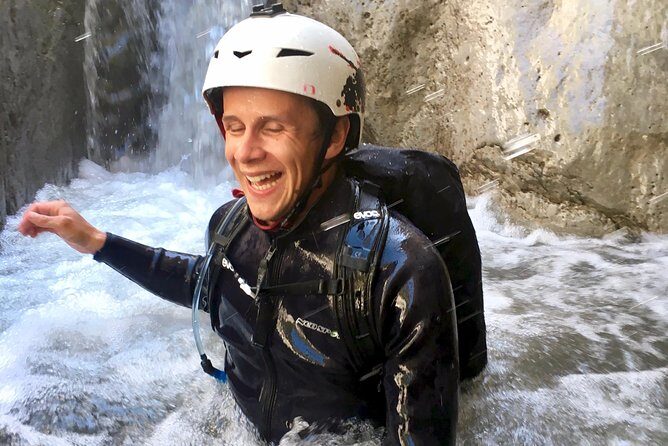
- Rope safety clinic first: you get a briefing and skills coaching before the main drops
- Intro rappels before the big one: short sessions early help you settle in fast
- Five rappels total: mixed with scrambling and slides for variety
- The lower canyon is the wet section: the final rappel/slide runs cold and wet, with a hike-around option
- All technical gear included: wetsuit, helmet, harness, and neoprene socks/booties
- Proper shoes are non-negotiable: trail shoes with good tread and expect soaked footwear
Heart Creek Canyon Canyoning: The Beginner Setup That Actually Makes Sense
If you’re curious about canyoning but worried about heights, Heart Creek Canyon is built for that exact moment. The approach is simple: start with instruction and practice, then gradually move into bigger drops. You’re not just watching a guide; you’re learning what to do with your body, your hands, and your pace.
This is also a good value trip for the kind of activity it is. At $146.45 per person, you’re paying for trained guides, a technical equipment package, and the real work of getting you down safely. Most of the cost is tied to safety systems and coaching, not just the view.
That said, you should know where the effort lands. You’ll hike in for about an hour (potentially longer with breaks), and there are a couple short-but-steep sections late in the climb. If you’re hoping for a mostly-flat stroll, this isn’t that. If you’re okay with a workout and staying focused, it’s very doable.
You can also read our reviews of more tours and experiences in Banff.



Where You Meet and What Happens Before You Even Rappel
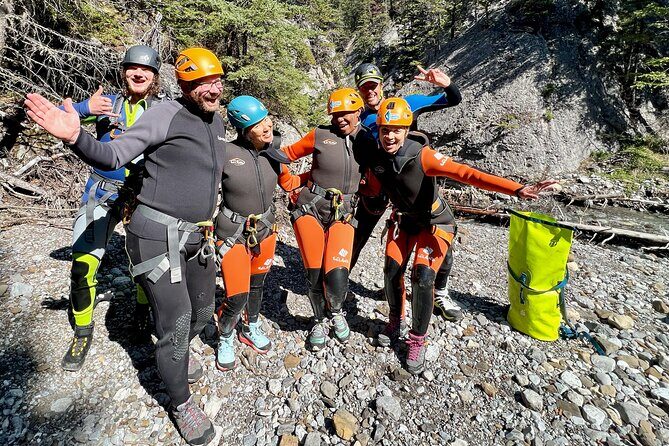
You’ll meet at the Heart Creek Trail parking area just off the highway—about 17 km east of Canmore and 41 km east of Banff. Parking is described as ample, including space for larger RVs and motorhomes. Timing matters here because the activity starts at set departures: 9:00 am, 10:30 am, 12:00 pm, and in July a 1:30 pm option.
Also plan around the “suit-up timing.” You’ll be encouraged to arrive already in swimwear. Then, after the hike up (around 60 minutes, possibly longer), you stop near the top and change into wetsuits right before you start the canyon portion. Rudimentary pit toilets are available at the trailhead, but there’s no food or drink service at the staging area.
If you’re traveling without a car, pickup can sometimes be arranged from places in Canmore and nearby transit stops. But in July and August, pickup ability is limited, so meeting directly at Heart Creek is strongly recommended if you have a vehicle. That matters because it can change how easy the whole morning feels.
The Hike Up: The Real Fitness Check (And Why Shoes Matter)
The hike to the canyon start is part sightseeing, part warm-up, and part reality check. It’s mostly beginner and family-friendly in the early stretches, with minimal incline overall. Toward the end, you hit two short steep sections, and the guides take their time there—no hero moves required, just steady pacing.
Here’s what I think most people underestimate: your shoes will get wet. You hike in wearing the same pair you’ll wear into the canyon, and they’ll be submerged for minutes at a time. The tour explicitly bans tennis shoes, Crocs, sandals, urban footwear, and water shoes—mostly for traction and safety.
What works best is a good pair of outdoor shoes with solid tread. Trail running shoes or lighter hiking shoes are the safest bet. If your feet don’t love wet traction yet, you’ll still be okay—just plan your comfort and grip.
I strongly recommend bringing a second, dry pair of shoes (or sandals) to swap into after. You can leave the dry pair in your vehicle, and it makes the ride back feel civilized instead of miserable.
Safety Clinic First: How the Guides Help You Relax
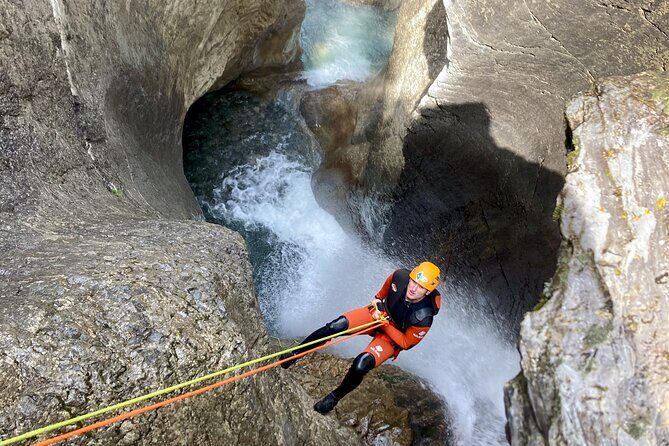
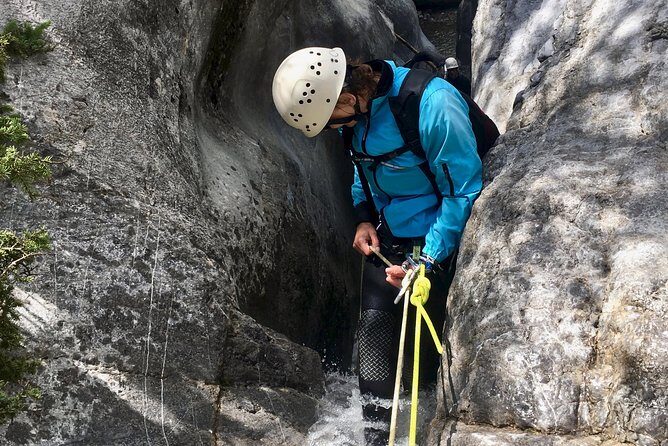
One of the biggest reasons this tour rates so high is how it handles nerves. Before the first big drop, guides run a mandatory rappel and rope safety clinic. You’ll get a helmet and harness, then walk through the basics and practice steps so you know what to do when the rope tension and the height kick in.
This matters for you because canyoning isn’t hard in a strength-only way. It’s hard in a “keep calm while trusting the system” way. A good guide keeps that simple, which is why names like Brendan, Lawrence, Pablo, and Jitka show up repeatedly in the stories. Different groups, same pattern: calm coaching, clear instructions, and a strong focus on safety while still keeping the mood casual during the hike.
You’ll also get the right gear for control and stability:
- helmet
- harness
- wetsuit
- neoprene socks/booties
That’s not just technical paperwork. It’s what lets you focus on learning the movement instead of worrying about your setup.
The Canyon Descent: Five Rappels, Slides, and Scrambling
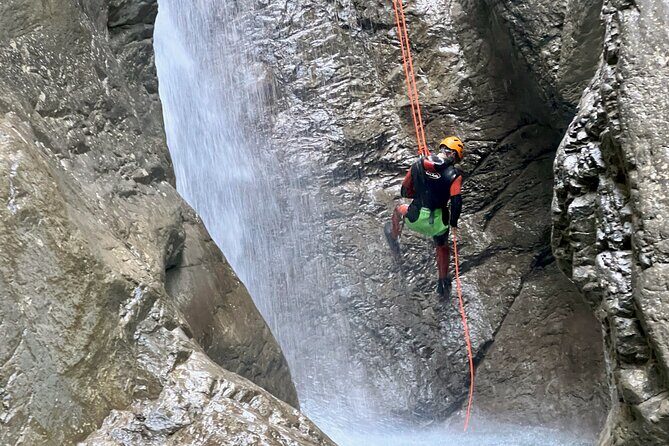
Once you’re suited up and ready, you work through the canyon in sections. There are five rappels total, mixed with some scrambling and hiking. The plan is to start with the upper canyon first, which is described as the easier portion and can be dry later in the summer.
This “easier upper first” sequence gives you time to build confidence. You’ll feel the system on the rope and get comfortable with body positioning before the route gets colder and wetter.



Upper Canyon: Easing In
Think of the upper canyon as your practice zone. The rappel count includes smaller, introductory drops, plus a little movement between them. You’re learning how to descend with the right pace and how to follow instructions in real time.
Lower Canyon: The Wet, Fun Part
Then you transition into the lower canyon section. The last rappel and the slides there are described as always wet. The water is cold enough that you’ll feel it immediately, even with thick wetsuits.
One nice consideration built into the route: the last wet exit is treated as effectively optional. If you don’t want to exit that way, there’s a hike-around option. So you’re not forced to do the wetest line if you’d rather step out another way.
In a perfect world, everyone gets ready to do the whole descent. In the real world, some people just need an option. This tour gives one.
Weather Reality in the Canadian Rockies: Rain, Cold, and Staying Warm
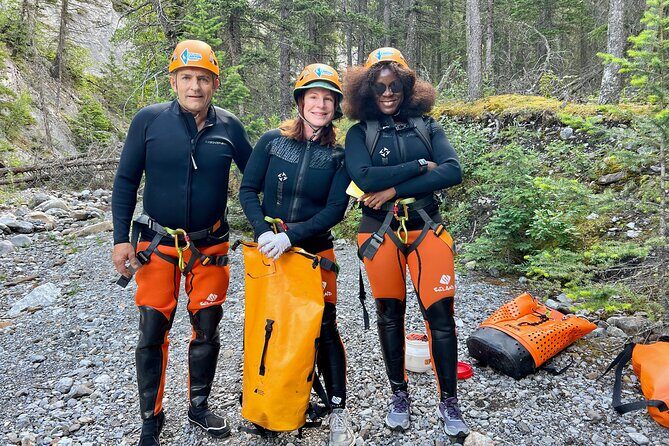
Heart Creek is a rain-or-shine activity. The canyoning trip goes when it’s raining, unless there’s a safety concern so significant that postponement or cancellation is needed. The company notes that this specific canyon isn’t prone to floods, which helps explain why they can still run trips in wet weather.
Here’s the good part for you: they use thick wetsuits. That doesn’t make cold water feel like a warm bath, but it does keep you from getting dangerously chilled. It also makes “wet and cold” a predictable condition instead of a surprise.
In fact, one of the recurring themes in the stories you’ll hear is that rainy, cloudy conditions can make the canyon feel extra dramatic. If you show up expecting perfect sunshine, you might be disappointed. If you show up ready to get splashed, you’ll usually be happy.
What you should prepare for:
- you’ll be wet no matter what
- the lower section is always wet
- rain doesn’t automatically cancel the day
You’ll also want a towel and a plan for layers. A t-shirt and shorts or light hiking pants are usually fine for the hike in during summer months. For early or late season, a light rain jacket or windbreaker and a warm base layer can help.
What the Trip Is Like Timing-Wise: 4 to 5 Hours, Not a Full Day
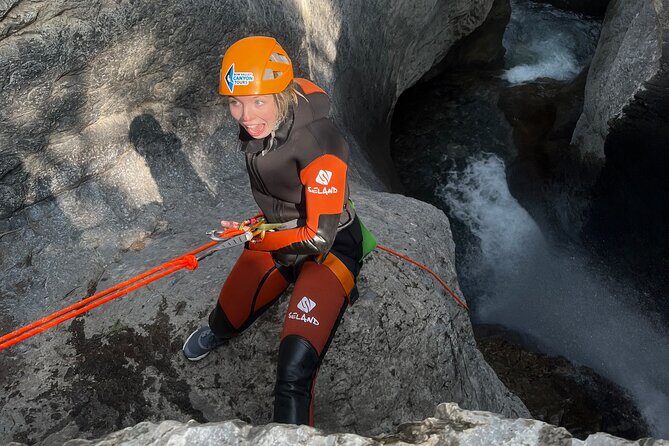
The overall duration is listed as about 4 to 5 hours. You’re spending time in three chunks:
- meet up and prep
- hike up to the canyon start (about 60 minutes)
- rappel, slide, scramble, and hike back down
This timing is ideal if you want adventure without losing the entire day. You can still eat afterward, wander Canmore or Banff, and avoid the “we spent our vacation trapped in a van” feeling.
It also fits well for mixed groups. In the stories from different ages and fitness levels, the common thread is that the guides slow down when needed, especially on steep parts. One parent reported that their 12- and 14-year-old did well. Another set of adult first-timers described it as a nervous-but-manageable challenge with lots of encouragement.
Cost and Value: Why $146.45 Feels Fair for a Guided Technical Sport
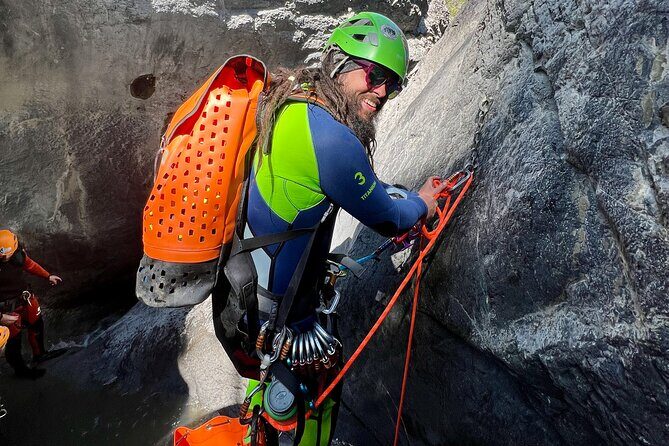
At $146.45 per person, this doesn’t feel cheap—and it shouldn’t. Canyoning is technical. You’re paying for trained people, safety systems, and equipment that’s not just props. The tour includes the wetsuits, helmet, harness, neoprene booties, and even dry bags for keeping cloths and possessions dry.
That’s where the value shows up. If you tried to cobble together canyoning gear and instruction on your own, the cost and hassle would quickly rise. Here, you show up with outdoor shoes and swimwear, and the rest is handled.
Add in the beginner-friendly structure—intro rappels and a rope safety clinic—and the price starts to make sense as “pay for learning and safety,” not just “buy a ticket.”
If you’re thinking about doing this because you’ve got a hiking trip in the Rockies already, I’d call it a strong add-on. It turns a normal mountain morning into a hands-on adventure.
Wildlife, Photos, and the Stuff You Can’t Add Without Going
In canyoning, the camera moment shows up at the same time as the adrenaline. You’ll get chances for photos, especially around waterfalls and through-sky canyon views.
There’s also the wildlife element in mountain terrain. One group reported seeing a black bear, and the guide had bear spray. That doesn’t mean you’ll see one—just means you should go with the mindset of “mountain nature is alive,” follow instructions, and stay alert.
If you’re out there for stories and bragging rights, Heart Creek delivers. You’ll feel the accomplishment when you’re back at the trailhead and changed into dry clothes, because your body remembers the descent.
Should You Book This Heart Creek Canyon Canyoning Tour?
Book it if:
- you’re a first-timer who wants coaching and safety instruction
- you’re comfortable with heights but want training wheels (intro rappels help)
- you’re okay with hiking up and getting wet
- you want a half-day adventure near Banff/Canmore without planning a big logistics project
Skip it (or at least reconsider) if:
- you hate the idea of cold water and soaked shoes
- steep hiking is a deal-breaker for your fitness level
- you need a low-effort day with minimal gear rules
One last gut-check: you’ll be glad you brought a dry shoe change. People often focus on the rappels. The part you’ll appreciate most afterward is that simple comfort upgrade.
FAQ
Do I need prior rappelling experience for Heart Creek Canyon?
No previous rope or rappelling experience is required. You’ll get a mandatory rappel and rope safety clinic before the main canyon drops.
How long is the hike to the canyon start?
The hike to the top of the canyon is about 60 minutes, though it can take a bit longer with stops and breaks.
How fit do I need to be?
You should have a moderate physical fitness level. The hike is mostly beginner-friendly but includes two short steep sections near the end.
What shoes are allowed, and will they get wet?
You need a good pair of outdoor shoes with good tread. Trail running shoes or light hiking shoes work best. The shoes you hike in will get wet because you’ll wear them into the canyon.
Is the wetsuit and canyoning equipment included?
Yes. The tour provides wetsuits, helmet, harness, rappelling equipment, and neoprene socks/booties, plus dry bags to keep your belongings dry.
Do you run the tour in rain?
Yes, you go rain or sunshine. The only time it changes is when safety requires a postponement or cancellation. The canyon is described as not prone to floods, and thick wetsuits help you stay warm on cold wet days.
What should I bring for after the trip?
Bring swimwear, a towel, and potentially extra clothes. The tour recommends a second pair of dry shoes (or sandals) to change into afterward.
Is pickup available from Banff or Canmore?
Pickup may be limited in July and August. If you have a vehicle, meeting at the Heart Creek Trail parking lot is recommended. If you don’t, pickup is sometimes offered from options in Canmore and a Banff/Canmore transit stop.
Do I need a parks day pass to park at Heart Creek?
Yes. Alberta Parks require a day pass for parking/entry in the Kananaksis area, including the Heart Creek trail parking lot. A conservation pass (one per vehicle) can be purchased online.