REVIEW · BANFF
Banff: Horseshoe Canyon Whitewater Rafting Tour
Book on GetYourGuide →Operated by Canadian Rockies Rafting · Bookable on GetYourGuide
Big rapids. No hiding. The Bow River Horseshoe Canyon whitewater tour brings Class 2–4 hits right up against steep shale walls, plus the option to go for 8 ft or 30 ft cliff jumps. It’s built as a high-energy half day that mixes safety-first guidance with real adrenaline.
I love how well this tour sets you up before you ever paddle. You’ll gear up with a full kit (wetsuit, helmet, splash jacket, and more), get a clear safety talk, then follow paddling commands that help you stay in sync when the river starts slapping back.
One thing to consider: this is wet, physical fun. If you’re not comfortable getting pummeled by waves, or if you don’t want to dress for cold spray, it may feel like more work than you hoped—also no cameras or phones allowed on the water.
In This Review
- Key highlights you’ll feel fast
- Horseshoe Canyon’s Class 2–4 thrills (and why it’s a sweet spot)
- From Stoney Nakoda to the River Base: what the first hour feels like
- Gear check that actually helps: staying warm and not losing your footing
- Safety talk and paddling commands: how the guide keeps you functional
- The drive and put-in: a short ride, then the river does the work
- On the water: timing, big hits, and what Class 2–4 really means here
- Optional cliff jumps: how to decide between 8 ft and 30 ft
- Where the fun stories come in: guide personalities you can feel
- After the rapids: change, drink, and get your photos
- Price and value: why $98 can feel fair (or not)
- Who this fits best (and who should skip)
- Should you book Banff Horseshoe Canyon Whitewater Rafting?
- FAQ
- Where is the meeting point?
- How long is the tour?
- What’s included in the price?
- Is Canmore pickup and drop-off included?
- What river difficulty is this?
- Can I bring a camera or my phone?
- Are cliff jumps part of the tour?
- What should I bring?
- What are the age and weight limits?
- Is the tour canceled for bad weather?
- When can I buy tour photos?
Key highlights you’ll feel fast
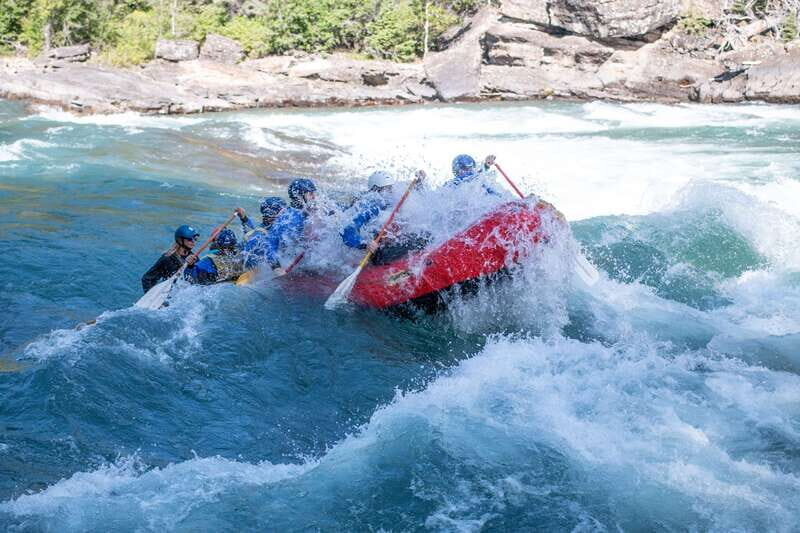
- Class 2–4 whitewater with big waves and hard hits on the Horseshoe Canyon stretch
- Optional cliff jumps at 8 ft and 30 ft, run only if you’re ready
- Full gear included: wetsuit, life jacket, helmet, booties, splash jacket, and a wetsuit jacket for colder days
- Guide-led safety and paddling commands so you know what to do during the chaos
- A quick drive to the put-in and back that keeps the day moving without wasting hours
- Photo upsell after the ride with purchase available 24–48 hours later
Horseshoe Canyon’s Class 2–4 thrills (and why it’s a sweet spot)
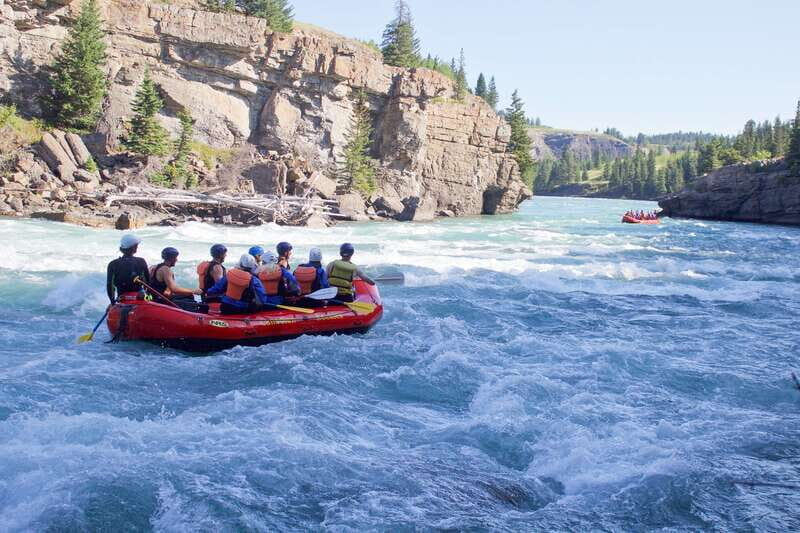
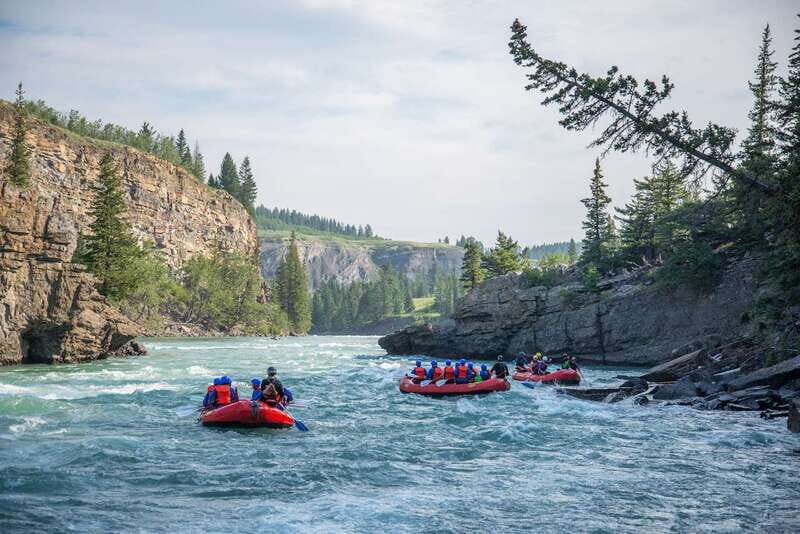
If your idea of a good Banff-area day includes getting wet for a reason, this Bow River trip is made for you. Horseshoe Canyon sits in that fun, punchy range: not beginner-only, but also not so extreme that it’s built just for experts. The river rating of Class 2–4 is a promise of waves you can read and react to, plus moments that truly test your timing.
What makes this stretch interesting is the mix of forces. You’re dealing with surging glacial water, narrow rock corridors, and those steep shale walls that make every rapid feel close and loud. It’s also a tour that gives you choices: paddle hard, brace when you need to, and if you want an extra charge, you can add the cliff jumps.
A half day also matters. In about 210 minutes total, you’ll get the full rhythm—gear-up, drive, safety talk, time on the water, then a quick reset with a beverage back at the base. For a $98 price point, that’s the right kind of intensity: you’re paying for access, equipment, and professional guidance, not for a long bus day that eats your vacation.
You can also read our reviews of more tours and experiences in Banff.
From Stoney Nakoda to the River Base: what the first hour feels like
Most people start by checking in at the River Base near Stoney Nakoda Resort & Casino in the back area. The directions are straightforward: park in the open area beside the River Base, then follow the route through the resort/casino access roads as instructed.
When you arrive, you’ll be greeted and checked in by the team. Then it’s gear time. You won’t just get a life jacket and a shrug—you’ll be outfitted with the full system you need to stay warm and safe in moving water: wetsuit, life jacket, helmet, booties, splash jacket, and (on colder days) an added wetsuit jacket.
This setup is part of the value. It lowers the friction factor. Instead of spending your trip hunting for the right rental at the wrong hour, you show up, get fitted, and start getting ready with everyone else. It also makes safety easier: the guide can focus on the river, not on improvising equipment.
Gear check that actually helps: staying warm and not losing your footing
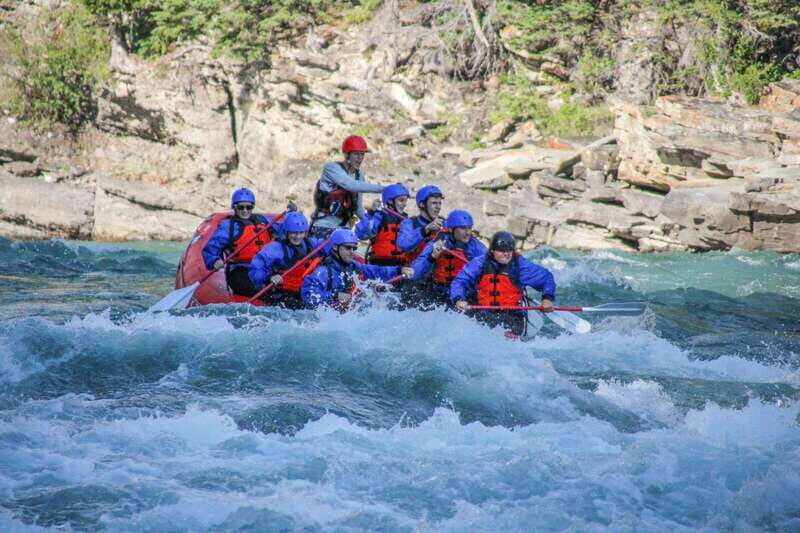
Rafting in the Canadian Rockies isn’t about bravery alone. It’s about staying comfortable enough to focus on paddling. This tour includes all the key gear so your day doesn’t turn into an uncomfortable shiver-fest.
Here’s what you’re provided:
- wetsuit
- life jacket
- helmet
- booties
- splash jacket
- optional wetsuit jacket for extra cold days
And what you should bring:
- warm clothing
- swimwear
- change of clothes
- towel
- biodegradable sunscreen
- personal medication
Two practical notes that can save your day. First, the tour is designed for getting wet, rain or shine. You’ll want layers that dry fast and won’t leave you miserable at the end. Second, you can’t bring certain items on the water—cameras, backpacks, alcohol, drugs, bags, and cellphones are not allowed, and bare feet aren’t allowed. So plan on leaving valuables in a safe place and trusting the photo option after.
Safety talk and paddling commands: how the guide keeps you functional
On the river, it’s not enough to be excited. You need to know what the guide wants from you, quickly. After the demo raft briefing, you’ll load up and head to the put-in.
At the river, you meet your guide and you’ll go over:
- paddling commands
- general instructions for your time on the river
This matters because with waves and hits, you can’t think your way through everything. You have to react. A good guide keeps the signals simple and repeated, so when the water gets louder, your brain still has something concrete to do.
The guiding style seems to hit the right notes. In different runs, I’ve seen signs of guides mixing energy with safety—people like Sam, Ames, and Bets show up in actual experiences with the common thread of keeping everyone feeling secure while still delivering real excitement. Quynton also comes up for entertaining storytelling and pointing out local film locations, including spots tied to The Revenant.
The drive and put-in: a short ride, then the river does the work
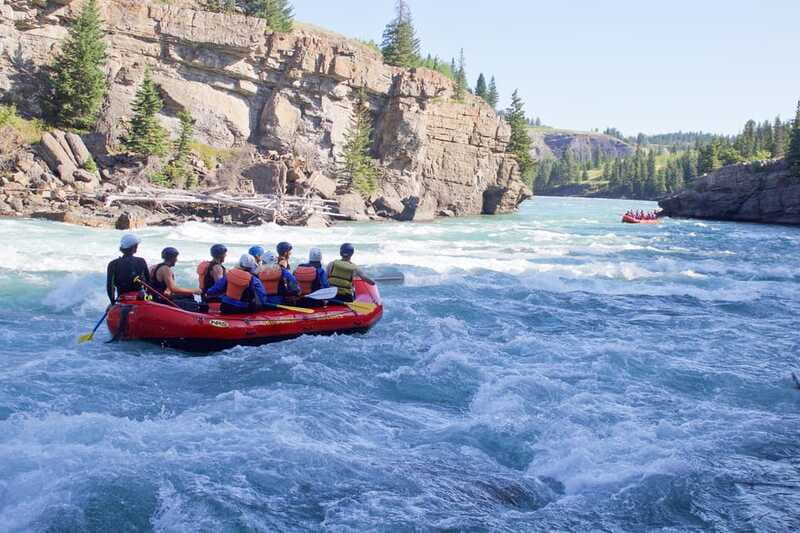
You’ll drive about 15 minutes from the River Base to the put-in point. That short transfer is long enough to set expectations, but not long enough to kill your momentum.
A nice detail: the ride can feel like part of the adventure. One group described the bus transfer as an old-school, “owning the ride” moment—fun in itself, and a reminder that this is an action tour, not a polished showroom.
At the put-in, you’ll hop into your raft with your guide. Then it’s time to paddle. The first stretch is your chance to settle into rhythm, learn the command cadence, and stop wondering what’s happening and start doing it.
On the water: timing, big hits, and what Class 2–4 really means here
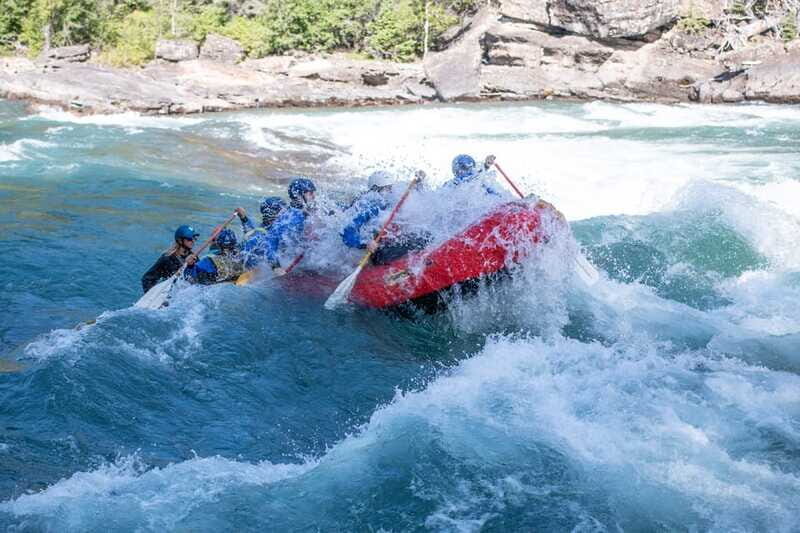
You’re on the water long enough to get fully involved, not long enough to feel bored. The total tour time is 210 minutes, and in real-world pacing that often translates into roughly an hour on the river with extra stops for optional activities.
What you’ll feel most:
- big waves
- hard hits
- the sensation of moving through narrow rock-and-water shapes
- spray and cold that you’ll notice immediately once you’re committed
Class 2–4 on this route is not just about splashing. It includes rougher sections where your timing matters—especially if you end up in the wrong spot in the raft when the wave arrives. The good news is that the guide’s job is to help you avoid total chaos. If you listen and paddle when called, you’ll generally be in the right place.
One more practical detail: keep your body ready. If you tense up and freeze, your arms and legs get stuck in the wrong mode. If you stay loose and follow the crew instructions, the raft can “hunt” through the rough spots with you.
Optional cliff jumps: how to decide between 8 ft and 30 ft
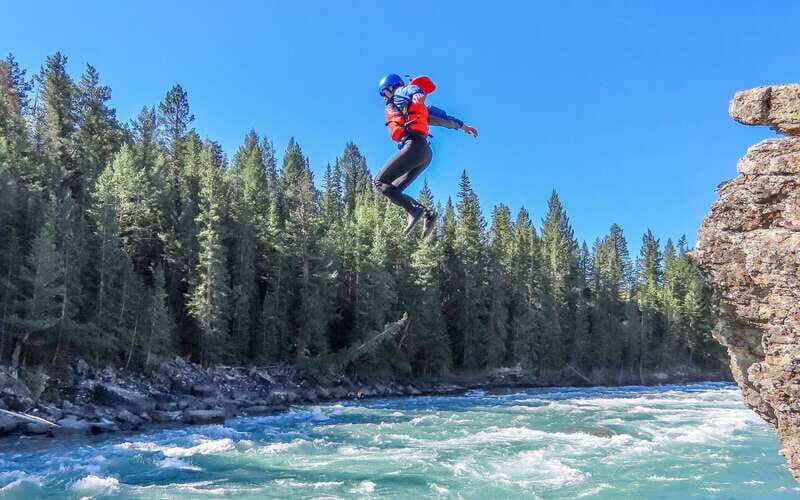
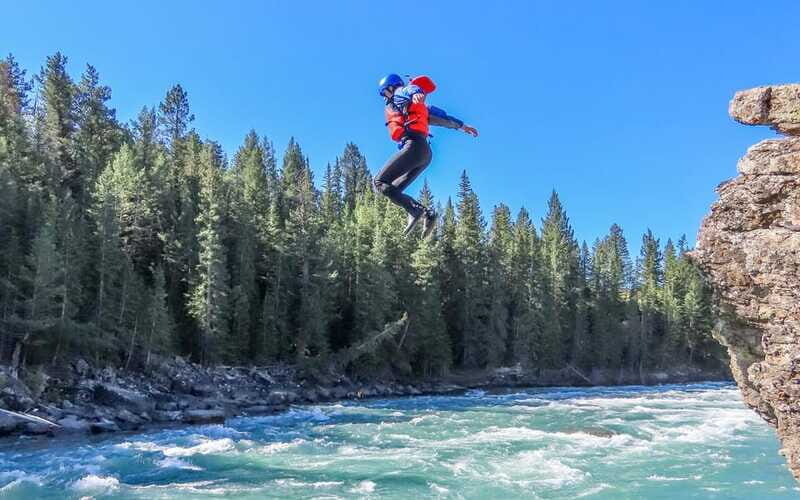
This is one of the standout features. The tour offers optional cliff jumps into the river at 8 ft and 30 ft. You only do it if you want to, and you only do it when the setup is ready.
How to decide in the moment:
- If you want a thrill but don’t want the intimidation level of a super high jump, the 8 ft option is often the best first step.
- If you’re already comfortable with heights and confident in your body control, you’ll probably feel ready for 30 ft.
Even if you don’t jump, the experience doesn’t feel like a “spectator-only” tour. There’s still active paddling, and the guides usually structure the river moments so everyone stays engaged.
One thing I’d bring to your mindset: a cliff jump is not just a jump. It’s a commitment to timing, breathing, and trusting the group setup. If you’re the type who needs extra reassurance, ask the guide before it’s go-time so you can decide with confidence.
Where the fun stories come in: guide personalities you can feel
The river is the main event, but the guide often determines how good the day feels. On this tour, guides show up with different energy levels, and that can make the experience more memorable than just a physical workout.
A couple of examples that show up clearly:
- Sam has been described as entertaining and safety-minded, with clear instruction that helps you feel capable.
- Ames has guided with enthusiasm and a steady hand through the rafting rhythm.
- Bets comes up in notes that emphasize skill and fun.
- Quynton has a talent for keeping people engaged while pointing out film locations—yes, including spots tied to The Revenant.
That last point matters. If you like context—why this canyon looks this way, what’s been filmed here, what the terrain signals—you’ll enjoy the way the guides turn moments into stories.
After the rapids: change, drink, and get your photos
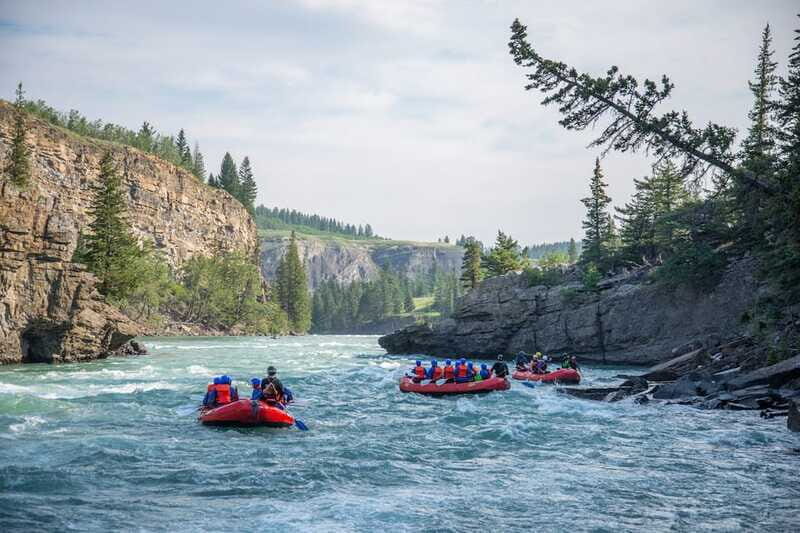
When your rafting run ends, you reunite at the raft base area and hop on the buses for another 15-minute ride back to the River Base. This is when you swap into dry clothes and cool down.
You’re provided a refreshing beverage after the tour, which sounds basic until you’re actually soaked and cold-sprayed and ready for something warm-ish. Also, you’ll receive instructions on how to view and purchase photos from your ride.
Important timing detail: tour photos are available for purchase 24–48 hours after. No surprise, no instant checkout on a sweaty phone. Plan to follow that window if you want to remember the moment without trying to bring prohibited electronics onto the water.
Price and value: why $98 can feel fair (or not)
At $98 per person for a roughly 3.5-hour adventure, value comes down to what you’re getting beyond the raft ride.
You get:
- all river gear (wetsuit, life jacket, helmet, booties, splash jacket, plus a colder-day jacket)
- an experienced guide
- a beverage after
- transport to and from the river from the River Base
That’s the real math. Whitewater gear and professional supervision aren’t cheap. Paying once and showing up ready is usually better than trying to assemble rentals and guess at what you actually need.
Where the price might feel less great: if you’re traveling as a larger group and you’re hoping to take your own video/photos, you’ll be shut down. Cameras and cellphones aren’t allowed, so your memories depend on the professional photo option.
Who this fits best (and who should skip)
This is for people who want adrenaline with structure. It’s not for kids in the younger age range, and it’s not built for everyone’s body.
Not suitable for:
- children under 12 years
- pregnant women
- people under 88 lbs (40 kg)
- people over 350 lbs (159 kg)
Also plan around the “wet is part of it” reality. If you hate cold spray, or if getting soaked sounds stressful, you may end up spending the day fighting your own nerves instead of enjoying the river.
If you’re active, flexible, and you listen to instructions, you’ll probably have a great time. If you want a mellow scenic float, look elsewhere. This tour is built for waves and hits, with the option to add a major personal challenge through cliff jumping.
One more practical heads-up: restrooms at the camp area may be basic. One note mentioned a wish for better sanitation during the day. So if restroom comfort is a top priority for you, plan accordingly.
Should you book Banff Horseshoe Canyon Whitewater Rafting?
Book it if you want an energetic half day with real whitewater action, you’re okay getting wet in cold conditions, and you like the idea of having gear and coaching handled for you.
Consider passing if you:
- want to take your own photos or keep your phone with you on the water
- dislike physically demanding activities
- fall outside the weight/age limits or have pregnancy concerns
- only want easy water with no meaningful impacts
If you’re between those extremes—curious but slightly nervous—this tour is a strong choice because the run comes with guided instruction, full gear, and an optional way to build confidence via the 8 ft jump instead of going straight to 30 ft.
In short: for many people, this is the kind of Banff-area day that feels like a story for years. You get waves, you get guidance, and you leave with that good tired feeling—so long as you’re ready to embrace the wet part.
FAQ
Where is the meeting point?
You meet at the River Base near Stoney Nakoda Resort & Casino. Park in the open area beside the River Base, then follow the stated directions through the resort/casino roads to the back area.
How long is the tour?
The total tour duration is 210 minutes, and starting times depend on availability.
What’s included in the price?
The tour includes all river gear (wetsuit, life jacket, helmet, booties, splash jacket, and a wetsuit jacket for colder days), an experienced guide, a refreshing beverage after the tour, and transport to and from the river from the River Base.
Is Canmore pickup and drop-off included?
No. Canmore pickup and drop-off is not included, but you can pre-book a shuttle from Canmore by contacting Canadian Rockies Rafting.
What river difficulty is this?
The Bow River Horseshoe Canyon route is rated Class 2–4.
Can I bring a camera or my phone?
No. Cameras and cellphones are not allowed.
Are cliff jumps part of the tour?
There are optional cliff jumps. The heights mentioned are 8 ft and 30 ft.
What should I bring?
Bring warm clothing, swimwear, change of clothes, a towel, biodegradable sunscreen, and any personal medication.
What are the age and weight limits?
It’s not suitable for children under 12. Weight limits are under 88 lbs (40 kg) or over 350 lbs (159 kg).
Is the tour canceled for bad weather?
The tour runs rain or shine, and getting wet is part of the experience.
When can I buy tour photos?
Photos are available for purchase 24–48 hours after the tour.