REVIEW · VICTORIA
7 Hour Big Animal Encounter
Book on Viator →Operated by Big Animal Encounters · Bookable on Viator
Desolation Sound is where the sea shows off. On this 7-hour big-animal cruise out of Campbell River, you’re looking for whales, dolphins, seals, and seabirds, with stops for breaks along the way. I like that it’s kept to a small group (max 12), so you can actually hear the captain’s updates and get ready when the wildlife radar turns on.
One thing to keep in mind: it runs on good weather. You’ll also spend real time traveling before you’re in prime viewing areas, so if you hate waiting, plan to settle in with the snacks and trust the timing.
In This Review
- Key things to know before you go
- Price and logistics: what $265.17 really buys
- The 7-hour rhythm: what your day actually feels like
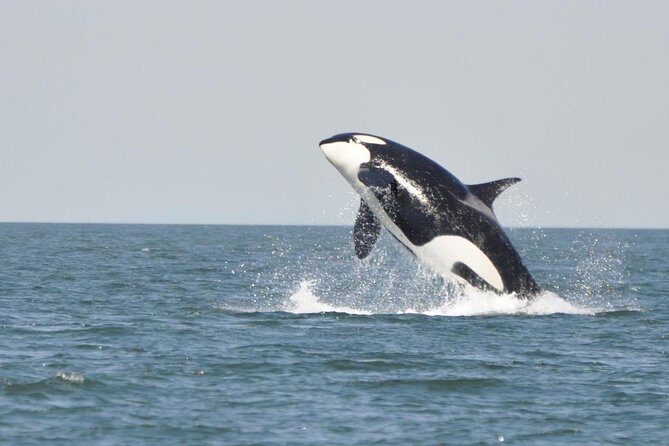
- Wildlife odds: what you might see in the open water
- Stop 1: Desolation Sound Marine Provincial Park
- Breaks, historical stops, and why they matter
- High-speed zodiacs and survival suits: comfort is part of the wildlife game
- The captain’s role: spotting, timing, and keeping energy up
- Who this tour fits best (and who should think twice)
- Booking smart: when to reserve and how to plan your trip
- Should you book the 7 Hour Big Animal Encounter?
- FAQ
- What is the duration of the 7 Hour Big Animal Encounter?
- What animals are this tour looking for?
- What’s included in the tour price?
- How big is the group?
- Where does the tour start?
- What happens if the weather is poor?
Key things to know before you go
- Small group size (up to 12) keeps the boat experience more personal and easier to follow.
- High-speed zodiac-style cruising with survival suits means you’re geared for chilly spray and faster movement.
- Desolation Sound Marine Provincial Park is the main wildlife-focused stop, built for sightings.
- Provided meals and drinks (lunch, snacks, bottled water, coffee/tea) mean you won’t burn time hunting food.
- Weather and minimum load rules can affect departure, so keep an open option in your schedule.
Price and logistics: what $265.17 really buys
At $265.17 per person for a roughly 7-hour outing, you’re not just paying for a boat ride. You’re paying for a guided search by experienced operators, plus the practical stuff that makes cold-water wildlife trips bearable: lunch, snacks, bottled water, coffee or tea, and the safety gear expected for the way the tour runs.
This is also a “go and look” format. That matters, because big marine animals don’t show up on command. The value is in having a crew focused on finding them, with the right equipment and a schedule that leaves enough time to reach the wildlife areas.
The group size helps here. With a max of 12 and a minimum of 6 passengers to run, you’re more likely to get attention when the captain calls something out—rather than being one face in a crowd. If minimum numbers aren’t met, you can rebook on another date, get help scheduling with another provider, or request a full refund.
You can also read our reviews of more tours and experiences in Victoria.
The 7-hour rhythm: what your day actually feels like
The tour starts at 9:00 am in Campbell River and returns back to the same meeting point. Expect the day to feel like a mix of steady cruising, deliberate stops, and focused viewing when conditions line up.
A lot of the time goes toward getting from the departure area to the parts of the water where big animals are more likely to surface. That can sound slow at first glance, but it’s the trade-off for trying to see orcas, humpbacks, dolphins, and seals. Once you’re in the right zone, the pace usually changes fast: you get breaks, then quick bursts of scanning and spotting.
If you’re planning your day around this, don’t stack too many tight commitments beforehand. A cruise that runs seven hours (plus the real-world travel time of getting in position and waiting for sightings) works best when you’ve got room for a late lunch and a relaxed finish back in Campbell River.
Wildlife odds: what you might see in the open water
This is a wildlife search tour, not a guarantee. But the possible sightings are specific—and that’s a good sign.
You’re set up to look for:
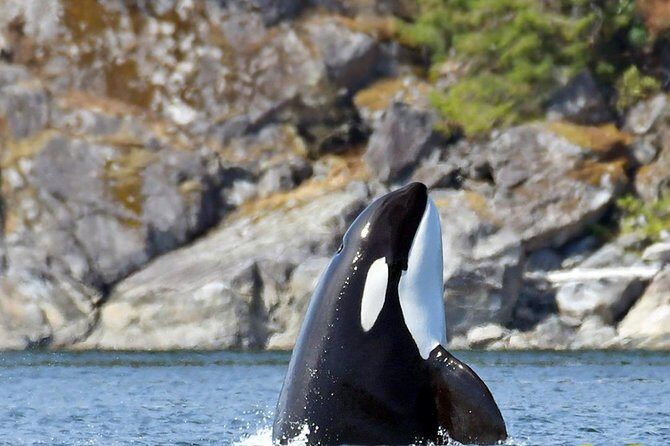
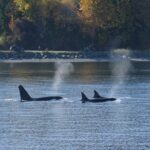
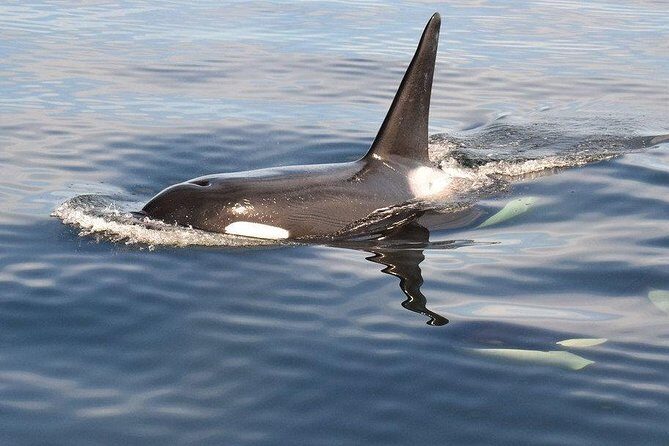
- Killer whales (orcas)
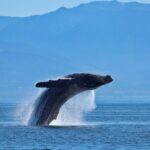
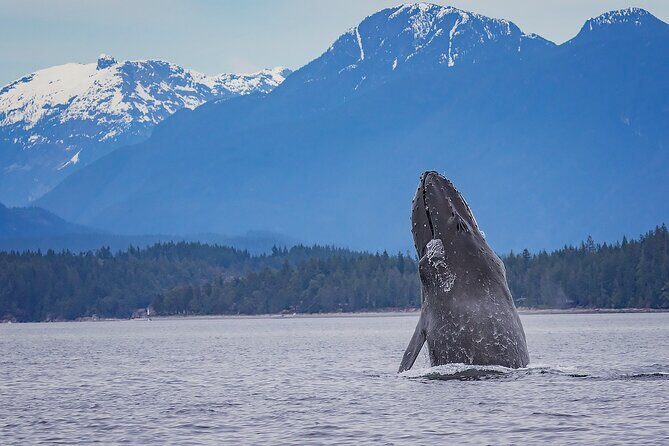
- Humpback whales
- Dolphins (including types you may see in these waters)
- Seals and harbour seals
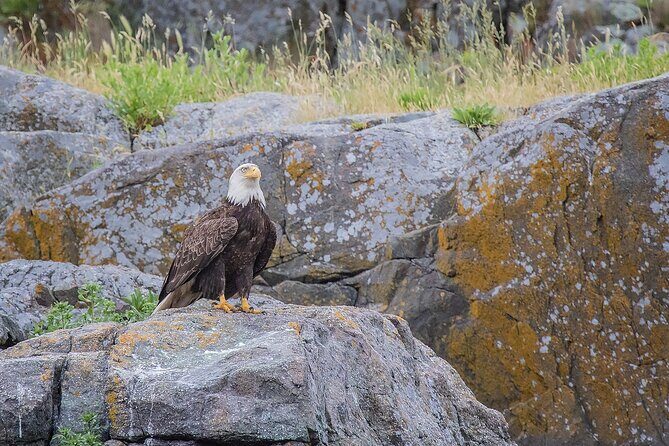
- Bald eagles and colourful seabirds
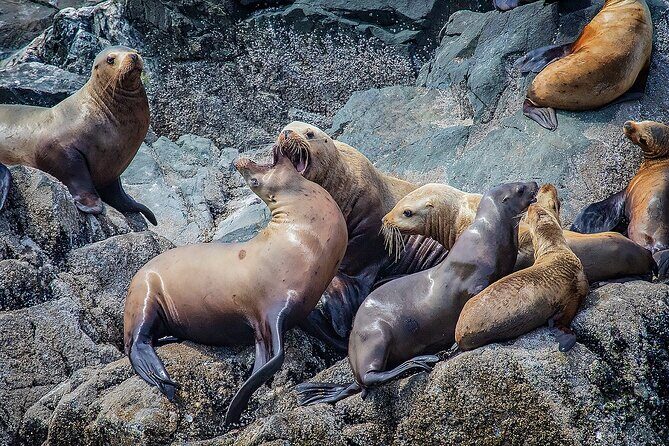
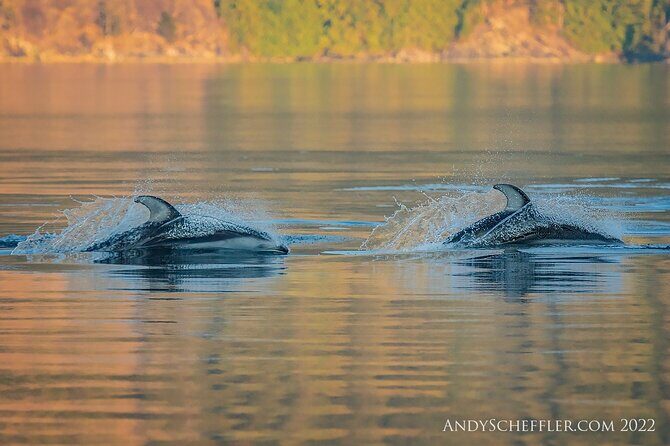
One past departure described a really strong mix: orcas, Dall’s porpoise, white-sided dolphins, Stellar sea lions, bald eagles, and humpback whales. That kind of lineup tells me the operation is paying attention to where animals tend to show up and how to keep everyone positioned for sightings.
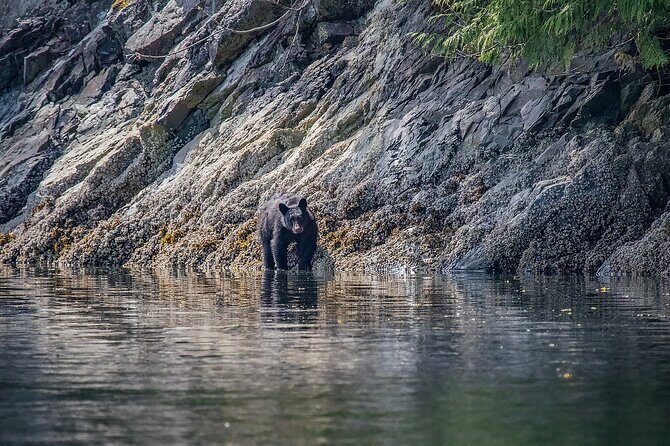
Also, wildlife is wildlife. On another run, there were no bears—proof that even on a big-animal outing, you still go home based on what the day gives you. The upside is that when the sea life is working, you’re in the right place to notice it quickly.
Stop 1: Desolation Sound Marine Provincial Park
Desolation Sound Marine Provincial Park is the main named stop on the day. The time quoted for the stop is 20 minutes, but the real value of this area isn’t a single photo break—it’s that the surrounding waters are where sightings often happen.
Here’s how to think about it when you’re on the water: the crew is timing movement and breaks to match both animal activity and safe, practical viewing. If you like wildlife that surfaces, breaks help you reset. If you prefer constant action, you’ll still get moments of stillness while everyone scans the water for movement and sprays.
If the wildlife is cooperative, this is where you benefit from having survival suits and safety equipment ready. Even a short stop can feel like it turns into a lot of time, because the focus shifts from travel to watching.
Breaks, historical stops, and why they matter
The tour includes breaks and stops at historical and other sites. That might sound like a bonus, but it’s actually smart. In marine wildlife time, you often alternate between moving and waiting. Breaks give your body a chance to warm up, and they also help you stay alert when the captain spots something.
These stops can also add context. Desolation Sound and the routes around it are tied to the region’s maritime character, and short diversions for history help the day feel more than just a long search. You’re not only chasing animals—you’re learning where you are and why people value these waters.
A practical tip: treat the breaks as part of your viewing plan. When you’re offered time to step away, do it. When you stay cold and stiff, your attention drops, and spotting anything at distance becomes harder.

High-speed zodiacs and survival suits: comfort is part of the wildlife game
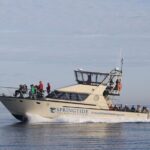
This tour uses high-speed zodiacs, and survival suits are provided. That detail is more important than it sounds. When you’re moving fast and getting spray, dry layers and a warm windblock become your whole experience. The suit system helps you stay in the zone longer, instead of spending the day pulling yourself together to fight the cold.
You’ll also have all safety equipment required under Transport Canada requirements. Even if you’re comfortable in boats, this kind of gear and the safety routine behind it is what makes a day like this feel controlled, not chaotic.
If you’re someone who gets cold easily, you’ll likely appreciate this more than you expect. And if you’re already a “rug up and go” person, the suit just makes the whole thing easier—more time watching, less time adjusting your layers.
The captain’s role: spotting, timing, and keeping energy up
A wildlife cruise lives or dies on communication. In one standout review, Captain Jason was credited with keeping everyone updated and amused throughout the trip. That’s a big deal because it changes how the waiting moments feel.
When the sea is quiet, a good captain turns time into something you can handle: scanning the water, explaining what the crew is watching for, and managing when to stay alert versus when to relax. It also helps you read the environment. You’re not just looking down at empty water—you’re looking with a plan.
I also like that the setup supports frequent breaks and viewing chances. That means when someone spots movement, it’s not a one-person moment. The group experience stays connected.
Who this tour fits best (and who should think twice)
This big animal encounter tour is a strong match if you:
- Want a full day focused on marine wildlife
- Prefer guided searching over casual whale-watching
- Value small-group attention (max 12)
- Appreciate having meals and warm drinks included
It’s also a good choice for people who want to do this while visiting the Victoria area, since the departure is from Campbell River on Vancouver Island.
Think twice if you:
- Hate waiting during the long drive to wildlife zones
- Are very sensitive to weather changes (it requires good weather)
- Need a guaranteed sighting of a specific animal
If your goal is a checklist you can mark no matter what, this isn’t built for that. But if your goal is to maximize your odds and enjoy the day with the right gear and comfort, it’s a solid bet.
Booking smart: when to reserve and how to plan your trip
On average, this tour is booked about 36 days in advance, which tells me people plan it as a real activity, not a last-minute gamble. If your dates are set, I’d book earlier rather than hoping last-minute space opens up.
Also remember the tour only runs with a minimum of 6 passengers. If your travel dates are tight, keep a bit of flexibility so you’re not stuck with a reschedule.
If weather hits rough patches, the operator will offer a different date or a full refund. That’s the right approach for a wildlife-dependent day. Just plan your broader trip so a change of date won’t wreck everything.
Should you book the 7 Hour Big Animal Encounter?
I’d book it if you want a practical, guided day on Vancouver Island that’s built for real wildlife viewing. The combination of small group size, full-day duration, included food and drinks, and survival suits makes this easier on your body than many ocean tours. And the sightings people report—like orcas, humpbacks, dolphins, seals, and bald eagles—fit the whole purpose of the day.
I wouldn’t book it if you’re looking for a guaranteed animal count or you’re uncomfortable with weather-driven changes. There’s no pretending the sea can’t be the sea. But the planning behind this trip gives you a good chance to have an impressive day, even when the ocean decides to be moody.
If you’re coming from the Victoria area and want a wildlife outing with real gear and a tight group, this one deserves a spot on your list.
FAQ
What is the duration of the 7 Hour Big Animal Encounter?
It runs for about 7 hours. The tour starts at 9:00 am and returns back to the meeting point.
What animals are this tour looking for?
The tour is set up for sightings such as killer whales (orcas), humpbacks, dolphins, sealions/harbour seals, and bald eagles, along with colourful seabirds.
What’s included in the tour price?
The price includes lunch, snacks, bottled water, coffee and/or tea, and survival suits plus safety equipment required by Transport Canada. It also includes fuel surcharge and GST.
How big is the group?
The group is capped at 12 travelers. It also has a minimum load of 6 passengers to operate.
Where does the tour start?
The meeting point is Big Animal Encounters, 1340 Island Hwy #129, Campbell River, BC V9W 8C9, Canada.
What happens if the weather is poor?
This experience requires good weather. If it’s cancelled due to poor weather, you’ll be offered a different date or a full refund. If the minimum passenger load isn’t met, you can rebook another date, be scheduled onto another provider, or request a full refund.