REVIEW · NEWFOUNDLAND AND LABRADOR
3 Hour Ocean Safari by Zodiac Boat -Whales & Icebergs seasonally
Book on Viator →Operated by DIVE Ventures Newfoundland Inc. · Bookable on Viator
A zodiac boat trip off Trinity is one of those Newfoundland mornings that feels instantly alive. This 3-hour outing mixes UNESCO Discovery Geopark geology with whale watching in Trinity Bay, so you get more than just animals on the horizon. I like that it’s built around real science and local scenery, not a script. The main trade-off: you may get wet and you’re heading out only when conditions are good enough to run the boat.
What makes it extra interesting is how the day flows. You start on land at Trinity’s geological sites, then shift straight into the open water hunt for humpbacks, fin whales, dolphins, porpoises, and seabirds like puffins and gannets. The group stays small (up to 36), which helps the crew move fast and keep things organized. If you’re hoping for perfect whale luck, give yourself flexibility—nature still sets the pace.
In This Review
- Key highlights that make this tour worth your time
- The big idea: geology on land, whales on water
- Getting there and what “3 hours” really means
- Stop 1 in Trinity: UNESCO geology and fossil explanations
- Stop 2 at Trinity Eco-Tours and Lodge: whales, dolphins, and seabirds
- Zodiac boat reality check: close viewing, weather risk, and patience
- Wildlife viewing tips that actually help
- Price and value: what $93.44 buys you
- Who this tour is best for (and who should skip it)
- Should you book? My practical take
- FAQ
- FAQ
- How long is the Ocean Safari by Zodiac Boat?
- What time does it start and where do I meet?
- How much does the tour cost?
- What animals or birds might I see?
- What languages is the tour offered in?
- What is the maximum group size?
- What happens if weather is poor or I cancel?
Key highlights that make this tour worth your time
- UNESCO Discovery Geopark stop 1: Precambrian-era geology and fossils explained with clear, practical context
- Zodiac-style whale watching: A closer, more “on the water” feel than big-boat viewing
- Big behavior odds: You might see dramatic whale moments like breaching and fin slapping when whales cooperate
- Seabirds included: Puffins, gannets, and even eagles can show up during the watch
- Small group cap (36 max): Easier to hear explanations and keep everyone coordinated
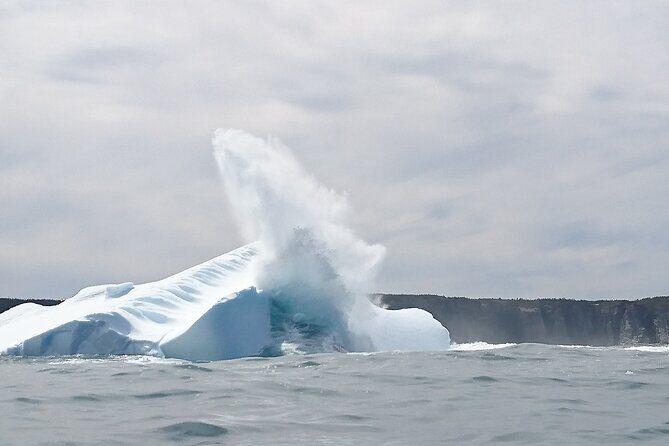
- Seasonal icebergs: You might catch iceberg views depending on timing and conditions
The big idea: geology on land, whales on water
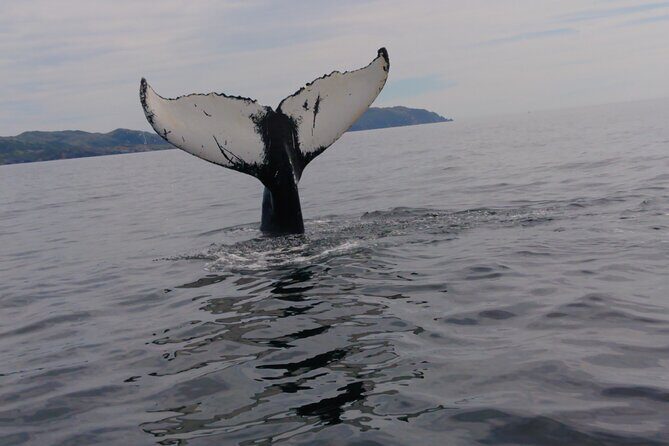
This is not just a straight whale watch. It’s a short, well-paced loop that starts in Trinity with UNESCO Discovery Geopark context, then transitions to the Trinity Bay ocean for wildlife viewing. For me, that’s the value: you leave with both the “what I saw” and the “why this place looks the way it does.”
The Trinity area is part of a very old geological story. On the tour, you’ll hear about the Precambrian period of the fossil record and geological activity—plus how to read the exposed strata you see around town. Then you swap the lecture tone for the marine version: scanning the water for blow, movement, and the quick changes that happen when whales surface.
If you want a trip that feels like one continuous experience—rather than two unrelated stops—this is set up that way. And because it’s about 3 hours total, it fits well when you don’t want a full day tied up.
You can also read our reviews of more boat tours in Newfoundland and Labrador
Getting there and what “3 hours” really means
The start point is 1 Stoneman’s Lane, Trinity, NL (A0C 2S0), and it runs from 9:00 am, ending back at the same meeting spot. With an approximate 3-hour duration, you’ll feel the structure, but you won’t feel trapped.
This matters because whale watching is a timing game. The boat needs good weather, and the crew has to position the zodiac to find whales. When conditions are right, the time feels like it goes quickly: land stop for geology, then a concentrated window on the water.
You should also know the booking rhythm. On average, this kind of trip gets booked about 72 days in advance, which is a good sign for demand and an easy hint that popular dates can fill up. Confirmation is received within 48 hours of booking, based on availability.
Group size is capped at 36 travelers. That’s big enough for variety, small enough that the trip doesn’t feel like a cattle call. It also helps the crew manage safety and instructions smoothly.
Stop 1 in Trinity: UNESCO geology and fossil explanations
Your first stop is Trinity, in the UNESCO Discovery Geopark, where you’ll learn how to connect what you see on land to what happened over deep time. The tour frames this around the Precambrian period—early fossil record and major geological activity—and you’ll get an explanation of geological structures and the types of fossils you might see in exposed strata.
One neat detail: along the way, you’ll also see a landmark area tied to the broader history of the place, with Fort Point cannons visible as part of the site you pass during the experience. It’s a quick cultural layer, but it helps ground the setting: this is coastal Newfoundland, where geology, history, and daily life all overlap.
What I like about this first stop is that it’s not treated like a random detour. You get “how to look” lessons before you head out to the water. That makes the whole trip feel smarter, not just louder.
Potential drawback: if you came mostly for whales and want zero time on land, this stop will still take up about 1 hour. For many people that’s a plus. For others, it might feel like “waiting.” If you’re the whale-first type, just plan to treat the geology stop as your warm-up.
Stop 2 at Trinity Eco-Tours and Lodge: whales, dolphins, and seabirds
The second stop is where the ocean watch takes over. You’ll head to Trinity Eco-Tours and Lodge for the wildlife portion, and this is where you get the best shot at spotting whales and birds.
This is an area connected to Trinity Bay, and the tour focuses on potential sightings of:
- Humpback whales
- Fin whales
- Porpoises
- Dolphins
- Seabirds including puffins and gannets
I like that the description is honest about “potential.” Whale watching is nature-controlled. Still, the reviews consistently point to the payoff when conditions line up—close whale activity and dramatic moments like breaching and pectoral fin slapping. That’s the kind of behavior that makes a zodiac feel worth it.
This stop also sets expectations for what you’ll actually be doing on the water: scanning. Looking for movement. Watching for the brief drama of a surface event. And keeping an eye on the birds, because seabirds often clue you in to what’s happening below.
A practical note from the experience style here: expect to be out there with wet weather risk. One highlight from the feedback is that the boat can get you drenched, even when you try to stay dry. So, if you’re the type who hates being wet, pack accordingly (more on that below).
Zodiac boat reality check: close viewing, weather risk, and patience
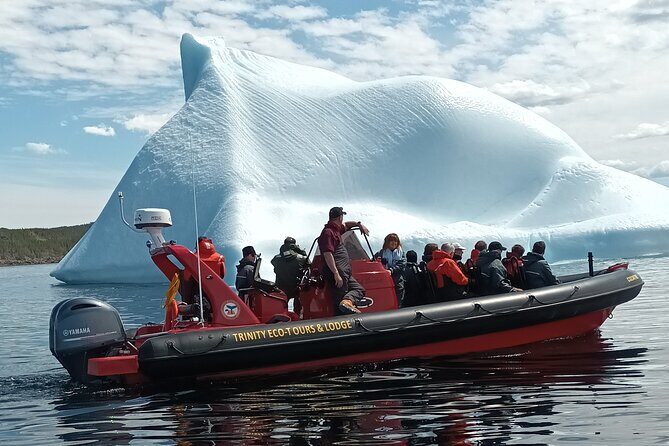
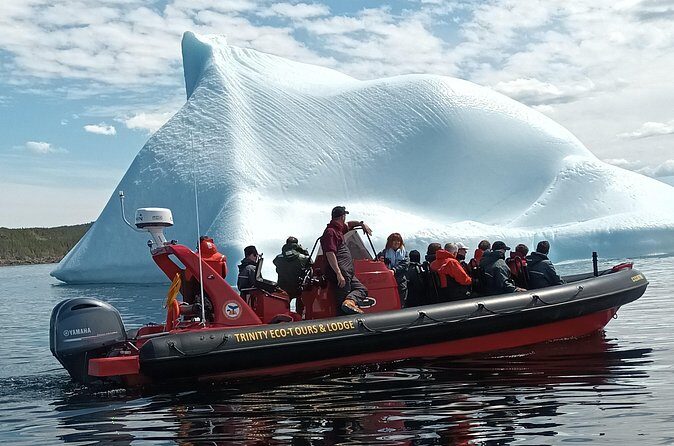
A zodiac isn’t a big cruise ship. It’s a smaller, more agile boat designed for getting close and moving quickly where the animals are. That’s why it’s so popular for wildlife. It can feel more direct and more personal than distant viewing from a larger vessel.
But with that closeness comes trade-offs:
- You’re more exposed to spray and wind.
- You’re more dependent on weather and sea conditions.
- Whale sightings can be hit-or-miss, and the crew may have to work hard to find active animals.
The good news: the crew approach matters. One comment highlighted Captain Steve doing his best to locate whales, even when the whales weren’t cooperating. That’s a real reminder that the job isn’t automatic—it’s search-and-adjust.
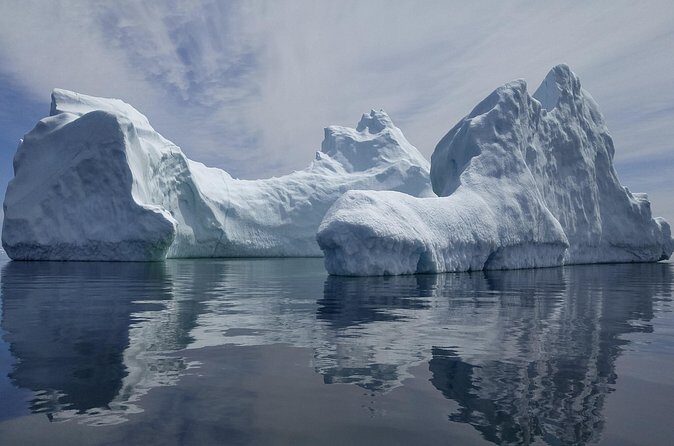
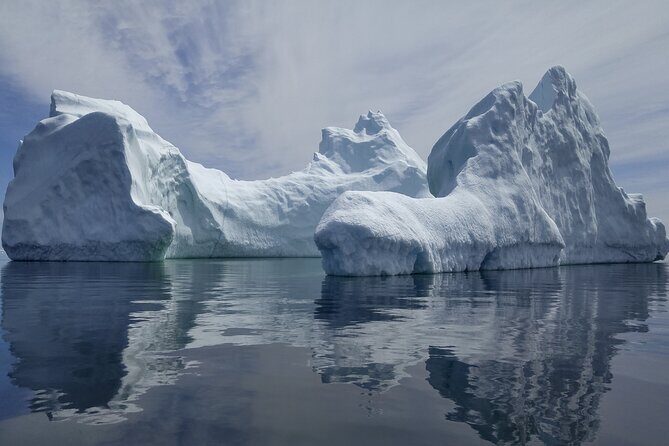
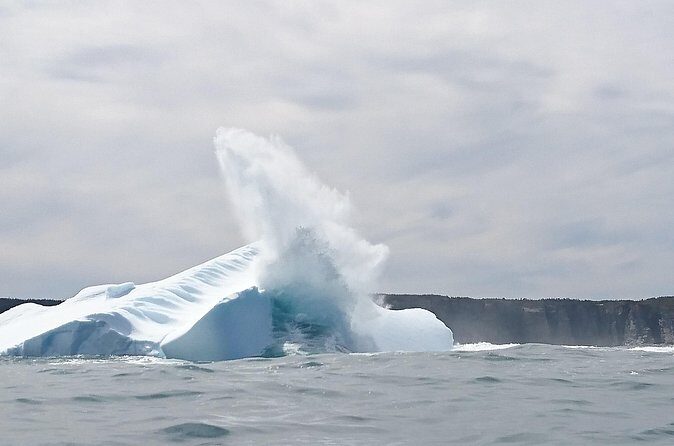
Also, this trip can include icebergs seasonally. That’s not a guarantee, but it adds another layer of “look up and out” interest. If you’re traveling during the right months, you might see ice alongside the coastline, which changes how the whole coastline frames the water.
If you’re trying to plan around flexibility, this is the type of trip where being able to shift dates helps. When weather doesn’t cooperate, the experience may be canceled due to poor conditions, and you’ll be offered another date or a full refund.
Wildlife viewing tips that actually help
I’m a big fan of packing a simple “watch plan.” Not complicated. Just useful.
Here are a few things you’ll get more from on this zodiac safari:
- Arrive ready to scan fast: once you’re on the water, your attention has to be wide—horizon first, then water texture.
- Watch the birds: puffins and gannets are not just background. They can help you understand where activity might be happening.
- Don’t fixate on one whale: if you spot a surface event, keep looking. Whales can appear in bursts, then disappear for a bit.
- Be prepared for wet conditions: you may end up soaked even if you dress for it.
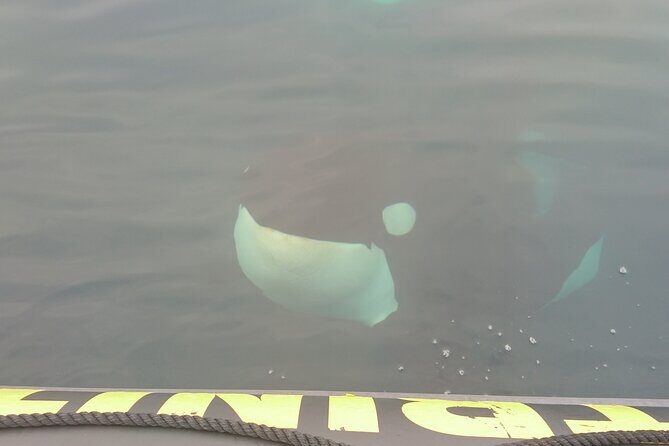
What stands out in the feedback is the excitement around how close the wildlife can feel—especially when whales behave actively. People reported seeing whales near enough to really notice movement and behavior. That’s the sweet spot of this kind of boat: more time with the action rather than distant specks.
Price and value: what $93.44 buys you
At $93.44 per person for about 3 hours, this isn’t the cheapest way to do Newfoundland wildlife. But it doesn’t feel overpriced for what you’re getting, either—because you’re paying for two things at once:
- A structured UNESCO Discovery Geopark learning stop (with meaningful context, not just a quick photo break).
- A zodiac-style whale watching session built for real viewing opportunities.
It’s also partly value-based because of how admissions are handled:
- The first stop’s admission is listed as free.
- The second stop includes admission.
That combination helps keep the “extra costs” factor lower than you might expect.
Is it worth it for you? If you want a short outing with both education and wildlife chance, I’d say yes. If you’re primarily price-shopping for the longest time on the water at the lowest rate, you may find options that go longer. But for a focused, half-morning format with close-to-the-action viewing, this pricing fits the experience style.
Who this tour is best for (and who should skip it)
This works especially well if:
- You like short, high-impact trips rather than all-day schedules.
- You want a meaningful first stop with geology, not just a drive-by.
- You’re comfortable with nature’s unpredictability and you’re okay getting wet.
It may be less ideal if:
- You hate the idea of being outdoors in spray and wind.
- You’re expecting guaranteed icebergs or guaranteed whales. Even with the best crew effort, wildlife timing is outside anyone’s control.
- You’d rather spend 3 hours doing only ocean time and skip the 1-hour land component.
Because it’s English-language and keeps the group under 36, it’s also a solid fit for couples, small families, and solo travelers who want a guided experience without the huge crowd feel.
Should you book? My practical take
If you’re in Trinity and you want the best chance to connect with both the place (UNESCO geology) and the wildlife (whales, dolphins, porpoises, seabirds), I’d book this. It’s not only about the sightings—it’s about how the tour helps you look at what’s around you.
Book it sooner rather than later if your dates are fixed. These trips average about 72 days in advance, and max group size is 36, so popular morning slots can fill.
One last thing to get right: weather. This experience requires good conditions, and you might get drenched even with care. If you pack for that, you’ll enjoy it more.
FAQ
FAQ
How long is the Ocean Safari by Zodiac Boat?
It lasts about 3 hours.
What time does it start and where do I meet?
It starts at 9:00 am. You meet at 1 Stoneman’s Lane, Trinity, NL (A0C 2S0), Canada.
How much does the tour cost?
The price is $93.44 per person.
What animals or birds might I see?
The whale watching portion may include humpbacks, fin whales, porpoises, dolphins, and seabirds such as puffins and gannets.
What languages is the tour offered in?
The tour is offered in English.
What is the maximum group size?
The tour has a maximum of 36 travelers.
What happens if weather is poor or I cancel?
The experience requires good weather. If it’s canceled due to poor weather, you’ll be offered a different date or a full refund. Free cancellation is available up to 24 hours before the experience for a full refund.