REVIEW · YELLOWKNIFE
Yellowknife: Indigenous Dog Sledding Experience
Book on GetYourGuide →Operated by Tugah northern experiences · Bookable on GetYourGuide
A dog team in a frozen lake blizzard of peace. This Yellowknife experience is hands-on from start to finish, with time at the kennel, a 6-kilometer sled run, and warm food in a log cabin. I especially love that it’s run by locals who are happy to answer questions, and that you get to meet the dogs up close (with photos) before the ride. One thing to plan for: it’s genuinely cold out there, so you’ll need good winter layers and a camera-ready moment.
You’ll spend about 90 minutes total with a small group capped at 6, which means more time with the dogs and the musher instead of watching from afar. After the ride, you’ll warm up by a woodstove while pan-fried bannock and hot drinks keep you cozy, plus you’ll hear Indigenous stories and learn why dog sledding matters. If you hate cold weather, this is still doable, but you’ll want to dress for it and follow their lead on gear.
In This Review
- Key highlights you’ll care about
- Meeting the sled-dog kennel near 185 Curry Drive
- The toboggan ride: a 6-kilometer run across the frozen lake
- Warming up in a traditional log cabin with bannock and stories
- Indigenous culture, dog sledding, and why it matters
- Price and time: is $116 worth your cold-weather afternoon?
- Cold-weather tips that keep the experience comfortable
- What the pacing feels like (and who will enjoy it most)
- Should you book this Yellowknife Indigenous dog sledding experience?
- FAQ
- How long does the dog sledding experience last?
- What’s included during the tour?
- Where is the meeting point?
- Is transportation included?
- Are pets allowed?
- What should I bring to stay comfortable?
- How many people are in the group?
- Is the tour guided in English?
- Is there free cancellation?
- Is it okay to check the dogs out before the ride?
Key highlights you’ll care about
- Kenel time first, not last: meet the team, pet the dogs, and take photos before, during, and after the run
- A real 6-kilometer ride: you’re not just doing a quick loop around camp
- Warm-up in a wood-heated log cabin: bannock, hot drinks, and storytelling after the sledding
- Indigenous culture explained in context: dog sledding isn’t treated like a stunt, but like a living tradition
- Small group format: limited to 6 participants for a calmer, more personal pace
Meeting the sled-dog kennel near 185 Curry Drive
The experience starts with a simple idea that matters: you meet the dogs where they live. Once you get to 185 Curry Drive, you head toward the lake area to the cabin and kennel. This first stretch sets the tone. Instead of rushing straight onto a sled, you get time to slow down, look at the dogs’ personalities, and understand how the team works.
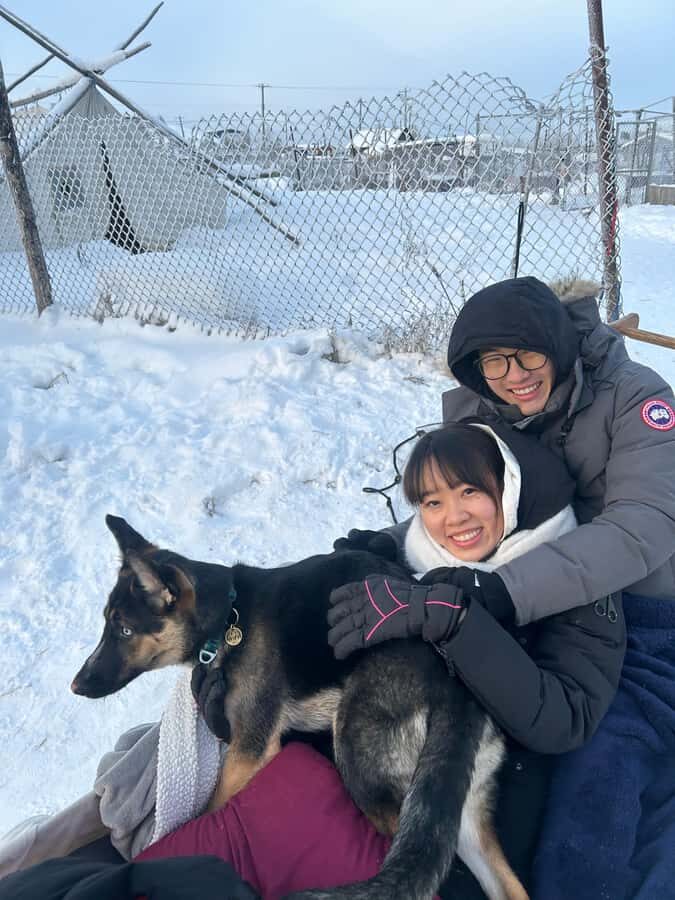
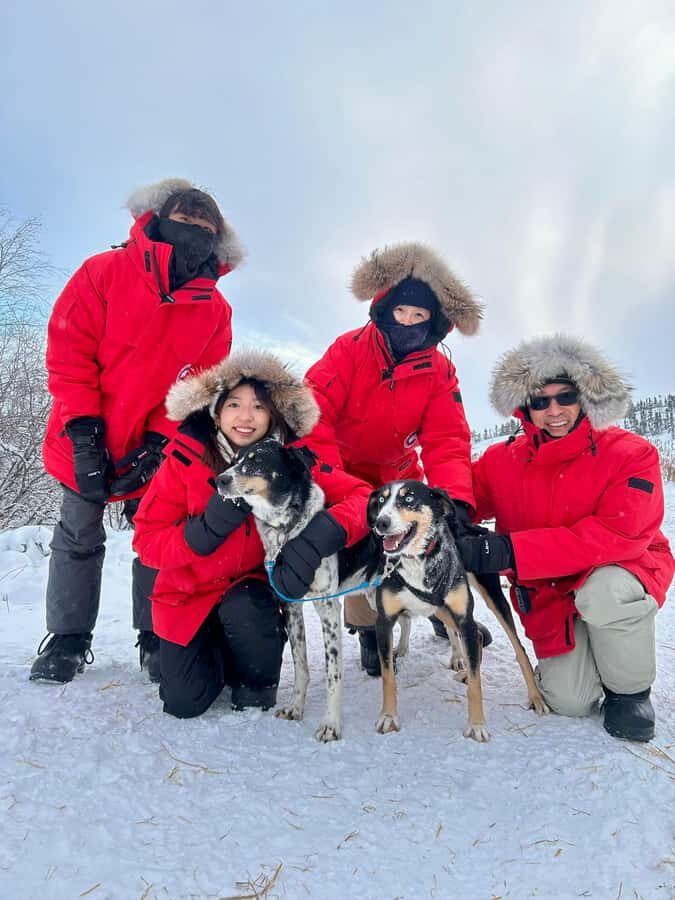
At the kennel, you’ll meet the sled dog team and get picture opportunities. You can also pet the dogs, which is a big part of why this tour feels friendly rather than staged. One thing I like about this style of start is that you learn the “people and dog” rhythm before you’re strapped in and riding fast over ice.
The tone is also very human. In the reviews, I saw repeated praise for the fact that the hosts are real Yellowknifers and that they’ll talk with you—questions included. Names that come up are Winter, her dad, and Julie. You can expect that this is a family-run operation, and the guiding vibe is practical: they want you safe, warm, and ready to enjoy the ride.
You can also read our reviews of more tours and experiences in Yellowknife.
The toboggan ride: a 6-kilometer run across the frozen lake
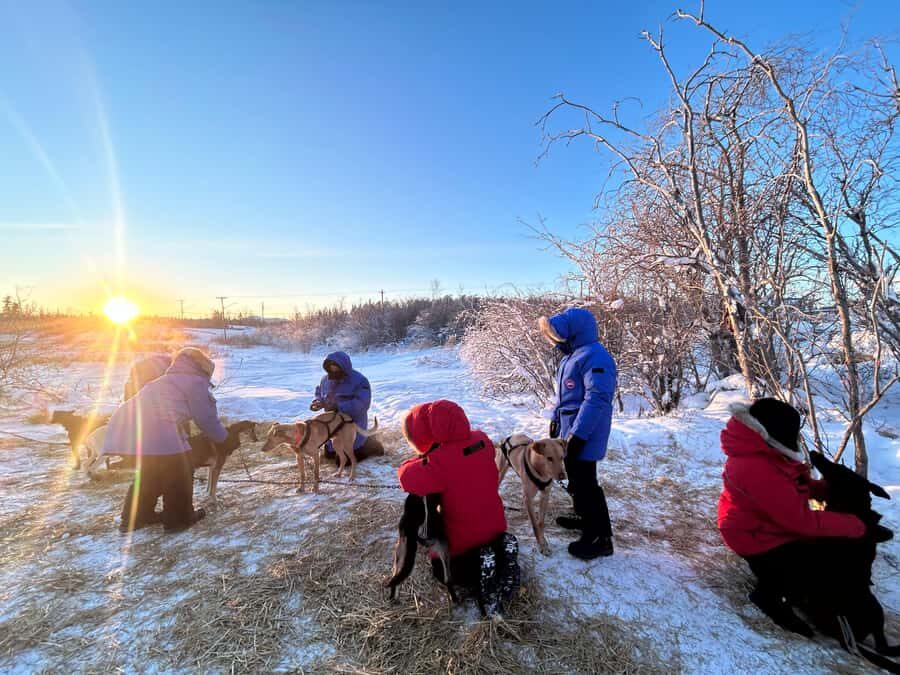
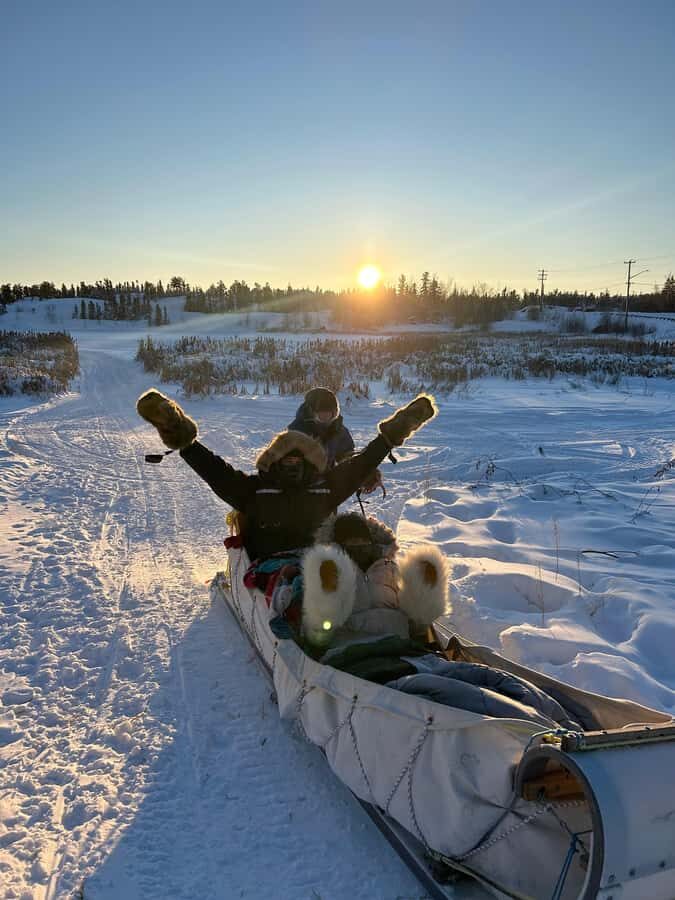
Now the main event: you climb aboard a cushion-seated toboggan for a dog sled ride with a skilled musher. Then you head out for a 6-kilometer run over the frozen lake. That distance is the difference between “fun for a few minutes” and “I’ll remember this later.”
Here’s what I think you’ll notice most while you’re on the ice:
- You get that clean, quiet feeling that only happens on frozen water.
- The dogs are moving with purpose, not just for show.
- Cold air hits fast, so your body knows you’re outside, in real winter conditions, not a sheltered attraction.
From the reviews, people described the dogs as especially friendly, with moments like playful ears and the look of the team against a snowy, white expanse. That matters for your photos too. If you bring a camera, this is one of your best shots of the day: the dogs’ motion against the bright ice and winter sky.
Also pay attention to how they manage the team. Julie’s name came up in reviews in connection with practical help around sled operation—like helping with sled turning and hooking up the dogs. That’s reassuring because it signals you’re in hands-on territory, not just watching from the sidelines.
The only drawback I’d flag is common sense: it can be really cold. Even if you stay bundled, the cold tends to find gaps—wrists, neck area, and any layer that shifts during the ride. If you’re not used to winter gear, treat this like a gear-check day, not a fashion moment.
Warming up in a traditional log cabin with bannock and stories
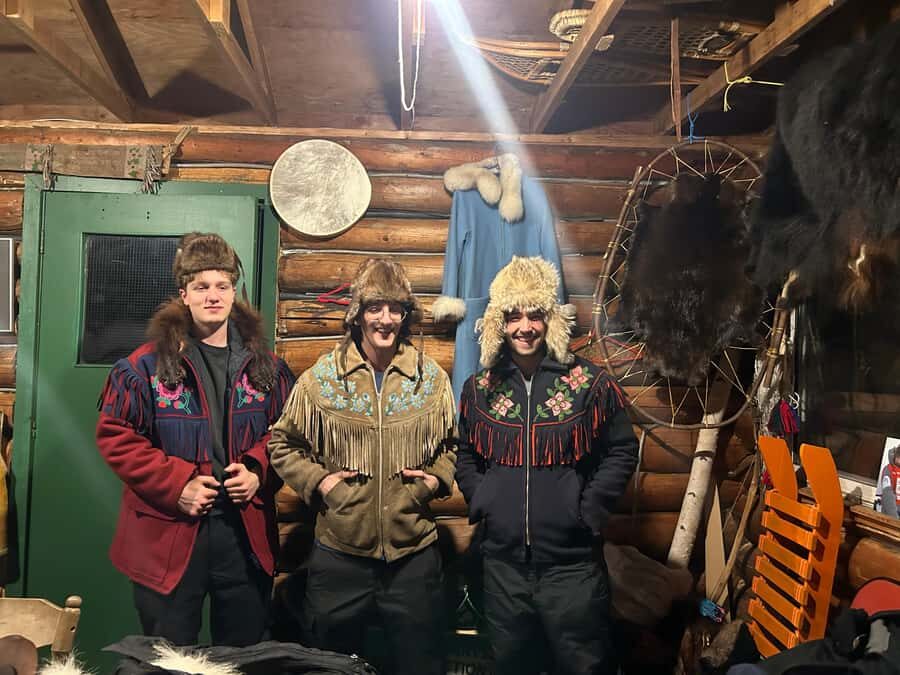
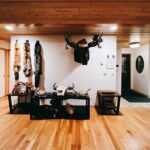
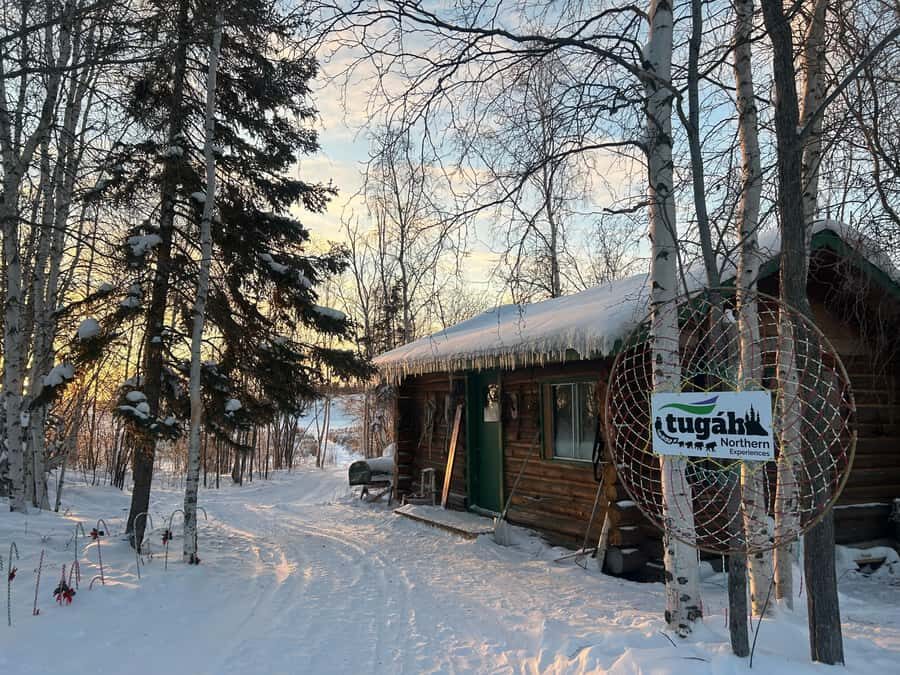
After the sled run, you head back to a traditional log cabin heated by a woodstove. This is the part that turns the whole outing into a full experience instead of a half-hour activity. You’ll get storytelling, pan-fried bannock, and hot beverages while you sit in a cozy setting surrounded by Indigenous artifacts and furs.
I like this stop because it gives meaning to what you just did. Dog sledding can sound like an entertainment format. In the cabin, it comes across as something else: a craft tied to land, travel, and community knowledge. The setting supports that. A woodstove does more than warm your hands—it helps you actually slow down and listen.
The food is also part of the value equation. Bannock isn’t one of those tiny tasting portions. People in the reviews talked about homemade bannock that’s good with butter and jam, which tells me this isn’t just a token snack. It’s warm carbs, right when you need them.
And the hosts seem tuned in to communication. One review specifically mentioned that even with limited English, the guide kept things understandable by talking a lot and making you feel comfortable asking questions. That’s a real plus if you’re traveling with less-than-fluent language skills. You won’t be left hanging out in silence.
Indigenous culture, dog sledding, and why it matters
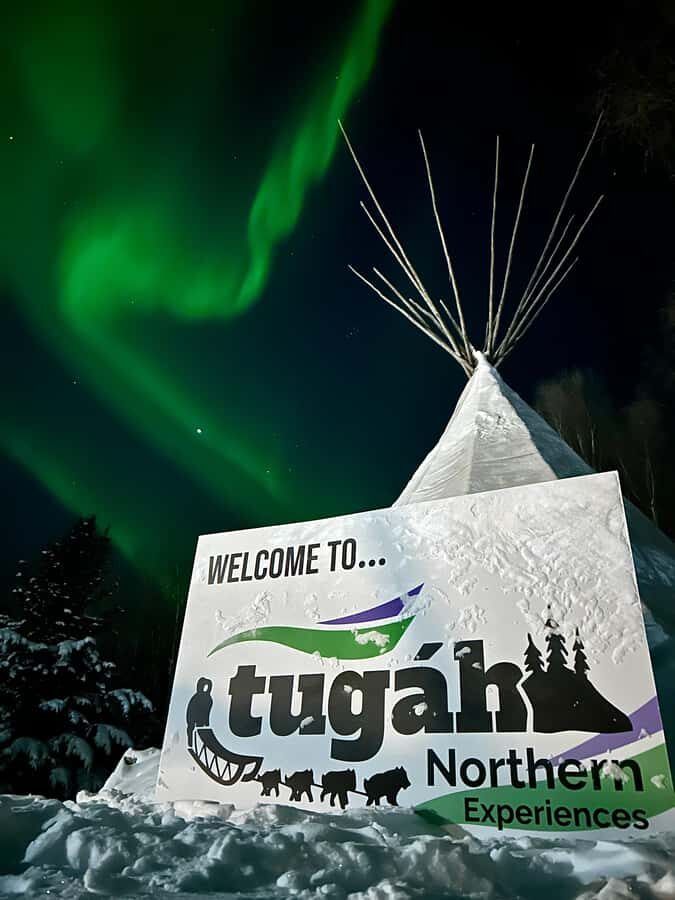
The sledding itself is the obvious highlight. But the deeper value is learning about Indigenous culture and the importance of dog sledding in that cultural context. This tour doesn’t present dog sledding as a gimmick. It frames it as a skill and tradition connected to the land and to living knowledge.
When hosts are born and raised locals, they can explain details without sounding like they’re reading a script. You’ll likely hear why dog sled teams are so central, and why maintaining this knowledge matters. You’ll also get the chance to ask questions, which is where this kind of experience can turn into something memorable.
Here’s what I’d recommend to you to get the most out of this cultural component:
- Ask how the dogs are cared for and what “good team behavior” looks like.
- Ask what dog sledding means beyond tourism.
- Ask how Winter, her dad, and Julie see their role hosting visitors while protecting the integrity of their practice.
Even if you think you already know the basics, you’ll probably leave with clearer context than you’d get from quick photo stops. The goal isn’t to turn culture into a worksheet. It’s to understand the tradition as something real, still practiced, still respected.
Price and time: is $116 worth your cold-weather afternoon?
At $116 per person for 90 minutes, you’re paying for more than just a ride. You’re paying for:
- a kennel visit with time to meet and pet the dogs
- photos before, during, and after
- a 6-kilometer dog sled run with a skilled musher
- storytelling and Indigenous artifacts/furs display
- bannock plus hot drinks in a heated log cabin
- a small group experience capped at 6
When I look at value, I don’t just ask what you get. I ask what you don’t have to manage. In many winter activities, you’re left to figure out the cold yourself and hunt for snacks afterward. Here, the warmth and food happen as part of the plan, which is what you want in Yellowknife winter.
Another value factor: small group size. A cap at 6 means you spend less time waiting. You’re closer to the action at the kennel and you get more personal interaction with the people who run the show. If you’ve ever done an attraction where you stand in line and watch for hours, this small-group approach will feel like a relief.
One thing to confirm before you go: transportation. The information you have says two different things. It notes that transportation might not be included and that the camp is about 5–10 minutes from city center by taxi, but it also lists transportation as included. Your safest move is to confirm directly with Tugah Northern Experiences whether there’s pickup or if you should plan to arrive at the meeting point on your own.
Cold-weather tips that keep the experience comfortable
This is the practical part: dress like you expect winter, not like you’re stepping outside for a quick photo.
The tour asks you to bring warm clothing and a camera. They also say they can provide extra layers if needed, but don’t count on that as your only plan. Treat this as a cold-weather activity first, then a cultural experience second.
I’d follow the same logic people hinted at in reviews: gear matters. One review mentioned that winter gear like extra coats and gloves made the difference, especially for someone who felt the cold more. If you don’t have great gloves or your layers shift easily, you’ll feel it.
Here are the changes that usually help most on sled rides:
- Wear layers you can adjust quickly when you’re moving, then keep closed when you’re sitting still
- Make sure gloves work for both hands, because you’ll want to hold your camera and keep warm
- Protect your neck area so wind doesn’t sneak in
Also remember the interaction with sled dogs is part of the experience. That’s a friendly moment, but it also means you’ll be close and standing in cold conditions for part of the day. Warm socks and boots that don’t slip on snow help a lot.
Pets aren’t allowed, so plan for that ahead of time if you’re bringing family members.
What the pacing feels like (and who will enjoy it most)
The pacing is built for winter reality. It’s not a long multi-day commitment, and it’s not rushed either. In about 90 minutes, you go from kennel meeting to sled ride to cabin warm-up. You’ll spend the most time outdoors during the sled run, then shift into relaxed warmth.
This is a good fit if you:
- want a short, high-impact winter activity
- enjoy animals and want more than a photo-only encounter
- like cultural storytelling and don’t want it to feel like background music
- prefer a smaller group setting rather than a crowd
It’s also a solid choice if you travel solo or are older—reviews included praise from a 66-year-old traveler who appreciated the extra gear and the caring family operation. The small group and added warmth seem to help a lot with comfort.
If you’re traveling with kids, this can work too as long as everyone can handle the cold and stay seated calmly during the ride. The cushion-seated toboggan helps, but it’s still a cold-weather adventure.
If you hate winter conditions in general, you might still enjoy the cabin and cultural parts, but the sled run is the heart of the tour.
Should you book this Yellowknife Indigenous dog sledding experience?
If you want an experience that’s genuinely family-run, animal-centered, and culturally grounded, I’d tell you to book it. The biggest reasons are practical: you get real time at the kennel, you ride a full 6 kilometers, and you warm up with bannock and storytelling afterward in a wood-heated log cabin. That combo is hard to beat at $116 for a small group.
Book it especially if you’re the type who asks questions and enjoys understanding how things work—like why dog sledding remains important, not just impressive. And if you’re worried about the cold, lean on their extra layers and gear support, then dress accordingly so you can actually enjoy the ride instead of bracing for misery.
FAQ
How long does the dog sledding experience last?
It lasts about 90 minutes.
What’s included during the tour?
You’ll get the dogsled ride, a visit to the sled dog kennel, time with the dogs (including petting), storytelling, pan-fried bannock, hot beverages, and a traditional log cabin experience. You can also take pictures before, during, and after your ride, plus you’ll see Indigenous artifacts and furs display.
Where is the meeting point?
Once you reach 185 Curry Drive, you’ll make your way toward the lake to the cabin.
Is transportation included?
The information provided is inconsistent: one note says transportation is not included and the camp is about 5–10 minutes by taxi from city center, while the included list says transportation is included. I recommend confirming directly with Tugah Northern Experiences for your exact pickup or meeting arrangement.
Are pets allowed?
No, pets are not allowed.
What should I bring to stay comfortable?
Bring warm clothing and a camera. They also indicate they can provide extra layers if needed.
How many people are in the group?
The tour is limited to 6 participants.
Is the tour guided in English?
Yes, the live tour guide is English.
Is there free cancellation?
Yes. You can cancel up to 24 hours in advance for a full refund.
Is it okay to check the dogs out before the ride?
Yes. You’ll meet the sled dogs at the family’s kennel and take photos before you climb aboard for the ride.