REVIEW · VANCOUVER
Vancouver: 24 or 48-Hour Hop-On Hop-Off Trolley Tour Pass
Book on GetYourGuide →Operated by Great Canadian Trolley Co | Gray Line Vancouver · Bookable on GetYourGuide
One good bus can turn a messy first day into a plan. This Vancouver trolley pass is a fun, no-stress way to get around and learn the city by jumping on and off at 19 stops.
I like that the format is simple and flexible: you can pace yourself, spend extra time where you feel like lingering, and skip the places you want to save for later. Two things I especially love are the live English commentary that helps you choose stops, and the chance to float through big sights like Stanley Park, Granville Island, and Gastown without fighting transit changes.
One drawback to keep in mind: the trolley runs less often in fall and winter, and even in peak season you may hit waits if a trolley is out of service or if the line piles up.
In This Review
- Key highlights you’ll feel right away
- A trolley pass that lets you pace Vancouver yourself
- Price and value: when $44 makes sense
- Stops you’ll actually use: from Canada Place to Gastown
- Stanley Park loop: Pavilion, totems, and the Third Beach zone
- Downtown and neighborhood walks: Granville Island, West End, and more
- On-board commentary: why the guides matter
- Timing, frequency, and avoiding the long wait at a stop
- Practical tips: seats, noise, windows, and packing light
- Who should book this hop-on trolley pass
- Should you book it?
- FAQ
- How long is the pass valid?
- How much does the Vancouver trolley pass cost?
- How many stops are on the route?
- Does the tour include live commentary?
- What languages are available on the optional audio guide?
- How often does the trolley run in summer and winter?
- What time does the last bus depart Canada Place?
- Are strollers, luggage, and wheelchairs allowed?
- Where do I meet the trolley?
Key highlights you’ll feel right away
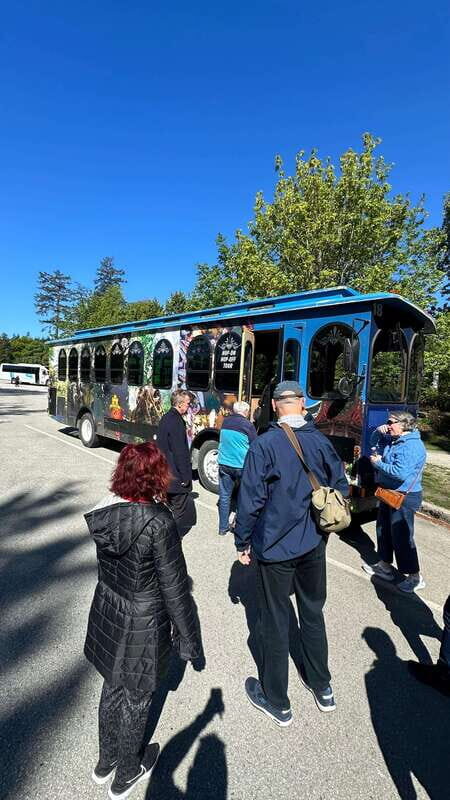
- Hop-on hop-off freedom: ride as much as you want within 24 or 48 hours
- 19 stops that connect major downtown sights and key neighborhoods
- Live English commentary plus optional multilingual audio via mobile app
- Stanley Park access with multiple stops for viewpoints and beaches
- Old-school trolley vibes: small, classic vehicles with some rattles
- Seasonal frequency changes: from every 20–30 minutes in summer to 70–90 minutes in cooler months
A trolley pass that lets you pace Vancouver yourself
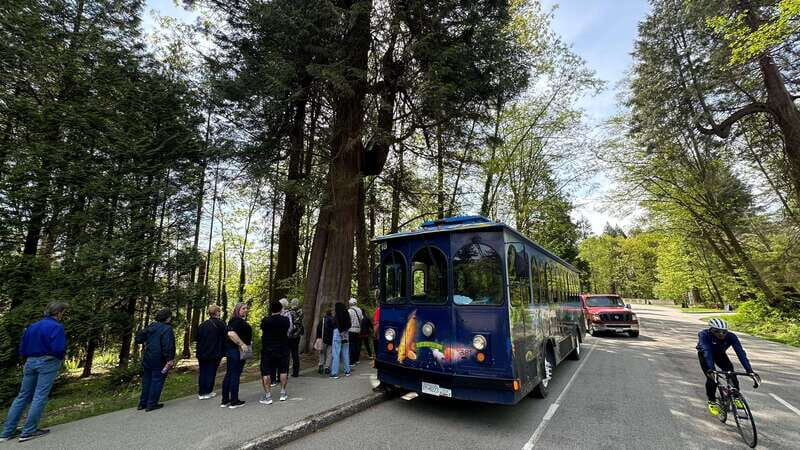
This is the kind of ticket that works best when you’re not trying to speedrun Vancouver. You buy a 24-hour or 48-hour hop-on pass, then treat the trolley like moving landmarks. If you want parks and views today, you can. If you want shopping and food markets tomorrow, you can switch gears.
The trolley style also makes a difference. Instead of a fast, impersonal ride, you get a slower, more conversational feel. Seats aren’t the main event, but the ride gives you context. You’ll hear what you’re seeing and get hints on where to hop off for your next photo stop, meal, or walk.
And yes, this route is built around the city’s classic pairing: dense downtown energy plus Pacific Coast scenery. That combo is what makes Vancouver feel like Vancouver.
You can also read our reviews of more tours and experiences in Vancouver.


Price and value: when $44 makes sense
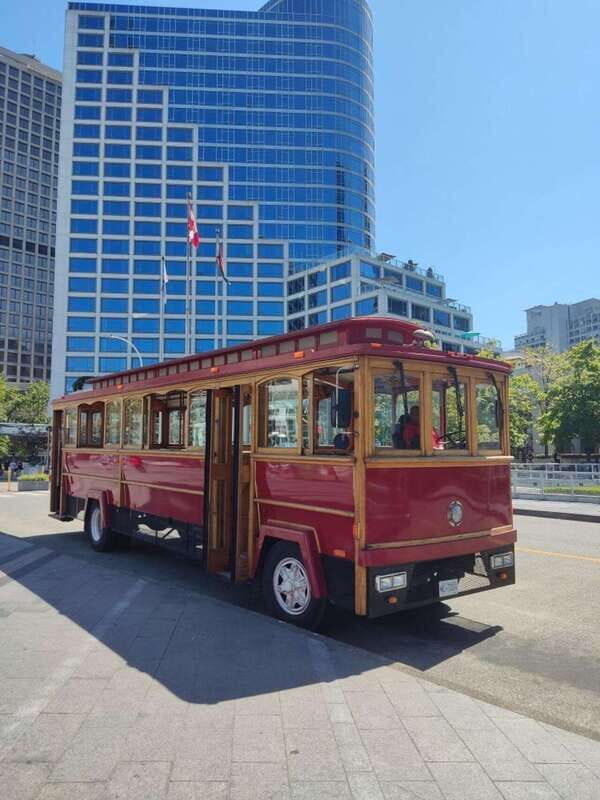
At $44 per person, this is not the cheapest way to get around. It is a good value when you factor in two things: time and decision-making.
First, you’re paying for a guided city overview. With live commentary in English and optional audio in several other languages, you get help turning a list of attractions into a sensible day. That matters most if it’s your first time in town and you don’t want to spend hours figuring out the best order.
Second, you’re buying repeat rides. The ticket is valid for 1–2 days, so you can revisit a stop. Miss a connection because you got distracted by scenery. No problem. Want an extra hour at Granville Island. Do it.
If you already know the city well and have a tight route mapped out, the ticket may feel less necessary. If you’re new here, or you just want an easy way to cover a lot without thinking too hard, this is a solid spend.
Stops you’ll actually use: from Canada Place to Gastown

The trolley route anchors around downtown, so you’re not guessing your way across town. The trip starts at Canada Place, then continues through the downtown core and toward the West End and Granville Island side of the city, before looping back toward the historic streets of Gastown.
Here are the downtown and near-downtown stops, and what they’re good for:
Canada Place
A great starting point because it puts you near the waterfront energy. It’s also useful if you want an easy launchpad before you head into Stanley Park or downtown strolls.
Pinnacle Hotel Harbourfront
Harbourfront areas are handy for orientation. If you’re catching the trolley from a walkable hotel zone, this helps you avoid detours.
Robson St at The Blue Horizon Hotel
Robson Street is a practical “downtown access” stop. It’s a good place to get on or off if you’re already near shopping, office blocks, or quick transit connections.
Entertainment District
If you’re the type who wants to wander without a rigid itinerary, this stop helps you switch from sightseeing to evening plans. It’s also a convenient location to work into your schedule if you’re looking for something to do after dark.
Library Square
This is a clean “downtown anchor.” You can treat it as a midpoint for a reset: quick coffee, short walk, then back on the trolley.
Sports District (Sandman Hotel Downtown Vancouver)
This stop is especially useful if you’re staying near that hotel zone or you want a straightforward connection back toward Gastown and the core.
Gastown
Gastown is the classic finish line for a lot of first-timers. It’s historic, walkable, and a strong choice if you want to end your day with character. If you plan to do one longer walk, make it here.
Stanley Park loop: Pavilion, totems, and the Third Beach zone
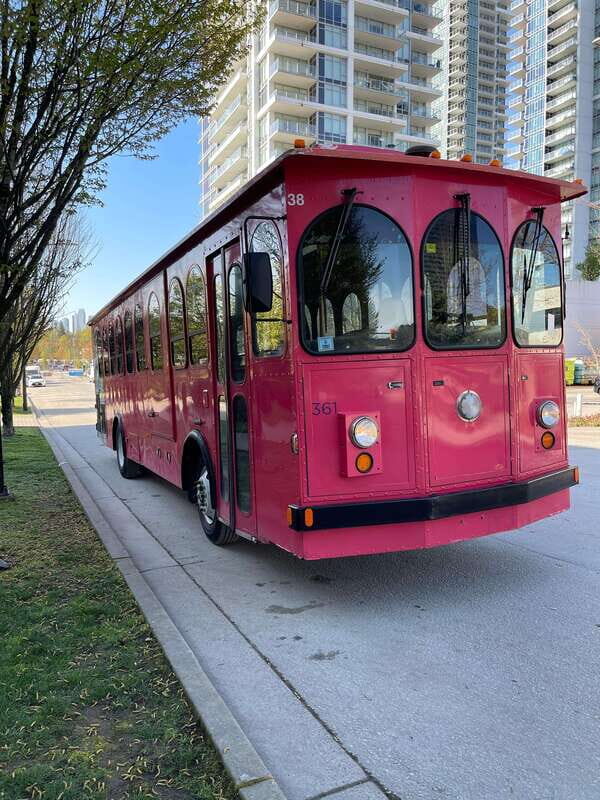
Stanley Park is the star of this pass, and the route gives you multiple chances to enjoy it in different ways. Instead of one single “view from the bus” moment, you can hop off at spots that match your mood: gardens, coastal viewpoints, beaches, and a casual break.
Here’s how the Stanley Park side of the route plays out:
Stanley Park Pavilion & the Rose Garden
This is a good first hop if you want an easy starting point inside the park. The Pavilion area is also a practical choice if you want a garden-and-water-vibes start without overthinking it.
Brockton Point Totem Poles
If you’re there for iconic Vancouver imagery, this is one of your must-use stops. The totem poles are right in the name, and that makes it simple: hop off, take your photos, then decide if you want to continue walking toward the next viewpoint stop.
Prospect Point Look Out
This is where you aim for big-water and city perspectives. If the weather is clear, you’ll be glad you didn’t skip it. Even in cloudy conditions, this kind of lookout stop helps you read the geography of the city.
Hollow Tree
This is the quirky stop people tend to remember. It’s named for a reason, and it’s a nice breather between more structured sightseeing.
Tea House at Third Beach
This is a smart hop if you want a pause that feels less like sightseeing and more like a real break. It’s also useful for timing because you can spend time here, then decide how long you want your beach walk to be.
Second Beach
Second Beach is a strong option when you want a shoreline moment. It’s also a good reset after bus time: fresh air, room to wander, and a slower pace than downtown.
Stanley Park Brewing – The Shopping District
This combined stop is useful because it gives you a realistic option when you’re hungry. It also helps if you want a practical “get back on the trolley” point without having to jump between far-apart areas.
The biggest practical benefit here is that you can split Stanley Park across parts of your day. Do the viewpoint and beaches in daylight, then return later for a meal stop. You’re not locked into one rigid timeframe.
Downtown and neighborhood walks: Granville Island, West End, and more
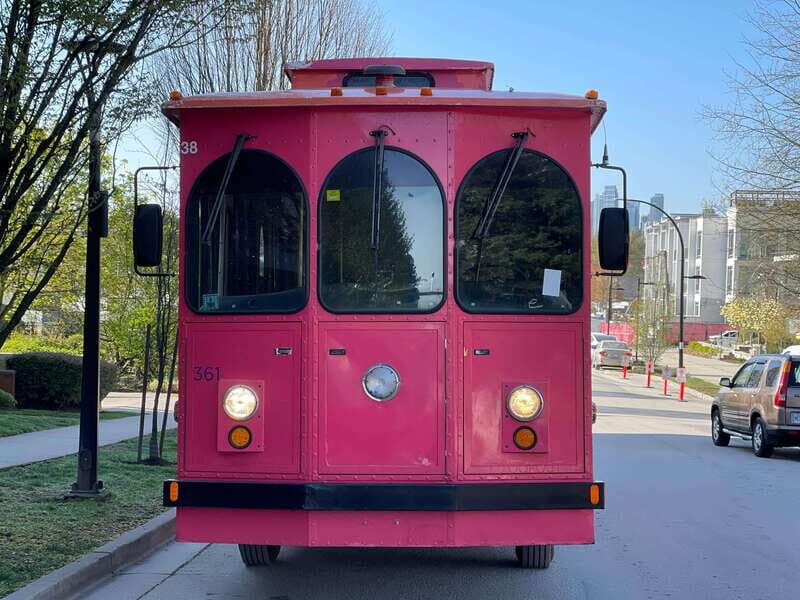
Outside Stanley Park, the pass is set up for neighborhood wandering. Think of it as a way to turn “downtown” into specific zones, instead of one big blur.
The West End – Entrance to Davie Village
This helps you reach the West End area and Davie Village edge. If you’re looking for a mix of walking streets and people-watching, it’s a good on/off point. It’s also a natural connector between Stanley Park and Granville Island-style plans.
Granville Island
This stop is one of the highest-value uses of the pass. The highlight is the Granville Island Public Market, which makes it ideal for a browse-and-snack day. You can hop off, wander, and return when you’re ready instead of committing to a fixed hour.
Entertainment District
This one is about flexibility. If you want a pre-dinner walk or a post-trolley evening plan, it’s easier to build that from this stop than from a random downtown corner.
When you use these stops well, your days stop feeling like a list. You get to follow your energy: park, market, streets, back to the trolley.






On-board commentary: why the guides matter

The trolley isn’t just transport. The commentary is a big part of why this pass feels fun rather than boring.
The names people mention most stand out because they mix information with humor and clear local stories. Guides such as Suki and George (and also Georges, Lynn, and Grant in other experiences) are repeatedly praised for making the ride enjoyable and for pointing out details you might otherwise miss.
I’d plan to listen at least during the first loop. The live English commentary helps you figure out where you personally should hop off. After that, you can use the trolley like your own rolling map while your feet do the walking.
Also, there’s an optional mobile audio guide with multiple languages. If your group includes different languages, that can make the experience feel smoother because you’re not all stuck with the same channel.
Timing, frequency, and avoiding the long wait at a stop
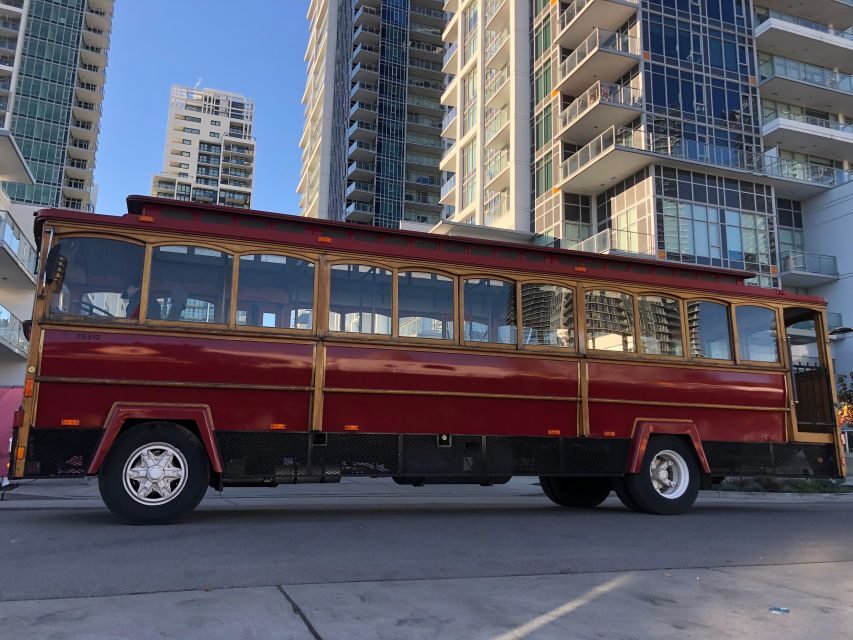
This tour lives and dies by timing, so you’ll want to align your plan with the season.
In summer, buses run every 20–30 minutes from 8:45 AM to 5:00 PM. In fall and winter, the spacing stretches to 70–90 minutes, from 9:45 AM to 5:00 PM.
There are also last-bus patterns you should treat as hard limits, because schedules can change:
- From October to April, the last bus departs Canada Place around 3:45 PM and returns around 5:15 PM.
- From mid-April to October, the last bus departs Canada Place around 4:00 PM and returns around 6:30 PM.
In real life, you may face an occasional delay. Some experiences note wait times between trolleys, sometimes due to a trolley being out of service. If you’re visiting during peak times, give yourself slack. A trolley pass is great, but it’s not a guarantee of instant arrival.
A simple strategy: pick one “must-do” area per half-day (Stanley Park in the morning, Granville Island in the afternoon, for example). Then let the trolley help you fill gaps rather than forcing your day around it.
Practical tips: seats, noise, windows, and packing light
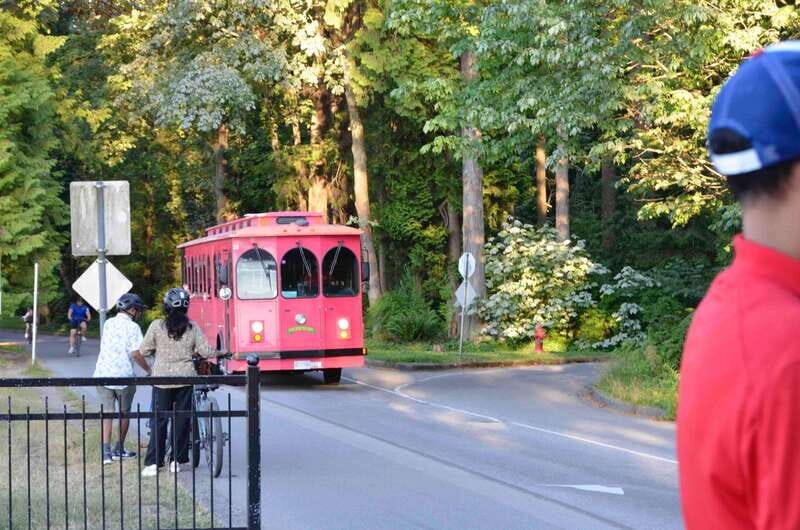
This is one of those tours where a few comfort realities help you set expectations.
Seats and comfort
Some people found the seats less comfortable, especially for seniors. If comfort is a high priority for you, plan for breaks while you’re off the trolley, not just during riding.
Noise and audio clarity
A couple of experiences mention engine noise and speaker volume being tough at times. If you’re sensitive to noise, bring light ear protection. Also, don’t assume you’ll catch every word on a louder stretch—watch the scenery and use the commentary to guide decisions rather than to capture every detail.
Windows for photos
A few riders noted photo challenges through the window glass. If photography matters, consider hopping off at the key viewpoints so you’re outside the vehicle for the best shots.
What you can bring
The trolley cannot accommodate strollers, luggage or large bags, non-folding wheelchairs, walkers, electric wheelchairs, or motorized scooters/wheelchairs. Foldable wheelchairs can be accommodated.
That also means you’ll want to travel light: small bag, easy carry, no bulky extras. If you’re used to big bags because you’re sightseeing all day, you’ll likely need a different plan for storage.
Who should book this hop-on trolley pass
This pass fits best if you want:
- A first-time orientation to Vancouver’s main neighborhoods
- A day built around Stanley Park and downtown walks
- An easy way to cover multiple areas without paying for point-to-point taxis
- A tour style that feels more like a local story with stops, not a rigid checklist
It’s also a good option if you’re on a cruise schedule and need an overview without overplanning, because the trolley concentrates stops where you can actually walk once you’re off.
Where it may not be ideal:
- You’re traveling in fall/winter and hate long gaps between buses
- You need an extremely comfortable seat for long rides
- You’re bringing bulky gear or anything that doesn’t meet the luggage rules
Should you book it?
Yes, I’d book this if you’re visiting for the first time and want to get your bearings fast with live commentary and flexible hop-off stops. The $44 price feels fair when you use it for two things: multiple rides over 1–2 days and a guided tour structure that helps you pick what to see next.
Book it with a realistic plan. Don’t assume the trolley will feel like a frequent subway, especially in fall and winter. Use the pass to split Stanley Park and downtown into parts, then walk where the stop names are your map: Pavilion, totems, beaches, Granville Island, and finally Gastown.
If your schedule is tight and the weather is iffy, this pass still works, but give yourself buffer time at each stop. That small habit makes the whole day feel smoother.
FAQ
How long is the pass valid?
It’s valid for either 24 hours or 48 hours, depending on the ticket option you choose.
How much does the Vancouver trolley pass cost?
The price listed is $44 per person.
How many stops are on the route?
The tour connects 19 stops across the downtown Vancouver area.
Does the tour include live commentary?
Yes. There is live guided commentary in English on board, plus optional multilingual audio via a mobile app.
What languages are available on the optional audio guide?
The audio guide is available in Chinese, English, French, German, Korean, Persian, Russian, and Spanish.
How often does the trolley run in summer and winter?
In summer it runs about every 20–30 minutes from 8:45 AM to 5:00 PM. In fall/winter it runs about every 70–90 minutes from 9:45 AM to 5:00 PM.
What time does the last bus depart Canada Place?
From October to April, the last bus departs Canada Place about 3:45 PM and returns about 5:15 PM. From mid-April to October, it departs about 4:00 PM and returns about 6:30 PM. Times can change.
Are strollers, luggage, and wheelchairs allowed?
Strollers, luggage or large bags, and walkers are not allowed. Motorized scooters/wheelchairs and electric wheelchairs are not accommodated. Non-folding wheelchairs are also not accommodated, but foldable wheelchairs can be.
Where do I meet the trolley?
The meeting point can vary depending on the option booked.