REVIEW · YELLOWKNIFE
Ultimate Ice Fishing with Lunch
Book on Viator →Operated by Destination NWT Ltd. · Bookable on Viator
Ice fishing in Yellowknife beats expectations. This 3.5-hour outing puts you on Great Slave Lake with a warm tent setup, steady supervision, and local guidance from Willie, who brings the human side of winter fishing to the ice. I also love that the trip includes fresh fish lunch—fried right on the ice—so you’re not just watching fishing, you’re eating the results.
The best part for me is how hands-on the experience feels without being chaotic. You’re in a small group (up to 16), you can ask questions, and you get a real shot at traditional net pull fishing, not just dropping a line and hoping for the best. If you’re new, the warm, heated cabin-tent makes it way easier to relax and focus on learning.
One consideration: you’ll want to plan for the basics like the bathroom and the license. The on-site washroom is limited, and a fishing license isn’t included (about CA$13 per person), so go prepared before you start freezing your eyebrows.
In This Review
- Key things to know before you go ice fishing in Yellowknife
- Getting to the ice: hotel pickup and meeting point you can actually find
- The warm tent setup: what 2.5–3 hours of ice fishing feels like
- Fishing gear and bait included: your job is mostly to show up ready
- Traditional net pull fishing: fun hands-on Alaska-style, but with Great Slave Lake flavor
- Lunch cooked on the ice: a wild fish fry that actually fills you up
- Snowshoes or hot-water mist: how the 3.5 hours end strong
- Price and value: what CA$112.59 buys on a winter lake
- What to pack so you stay comfortable (and not just “survive”)
- Weather and practical timing: why flexibility helps
- Who this ice fishing outing suits best in Yellowknife
- Should you book Ultimate Ice Fishing with Lunch?
- FAQ
- Do I need my own fishing gear for Ultimate Ice Fishing with Lunch?
- Is a fishing license included in the price?
- Where does pickup happen in Yellowknife?
- How long is the ice fishing portion?
- What’s included in lunch?
- Is there a bathroom on site?
- Can I hire winter boots if I’m worried about slipping?
- What happens if weather is poor?
Key things to know before you go ice fishing in Yellowknife
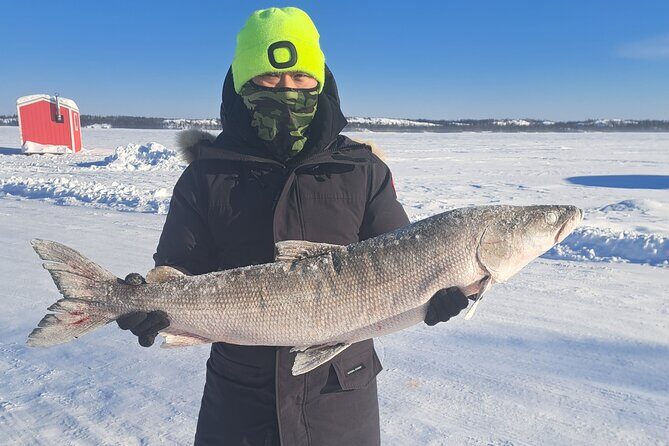
- Warm tent fishing for 2.5 to 3 hours keeps you comfortable while you fish through a hole on the ice
- Guide Willie brings Inuit fishing stories and even photo history from his community of Ulukhaktok
- Wild Great Slave Lake fish fry lunch is cooked on the ice with potato salad and a dinner roll
- Small group size (max 16) means more time to ask questions and get tips
- Boots can be hired if you’re worried about slipping on snow and ice
Getting to the ice: hotel pickup and meeting point you can actually find
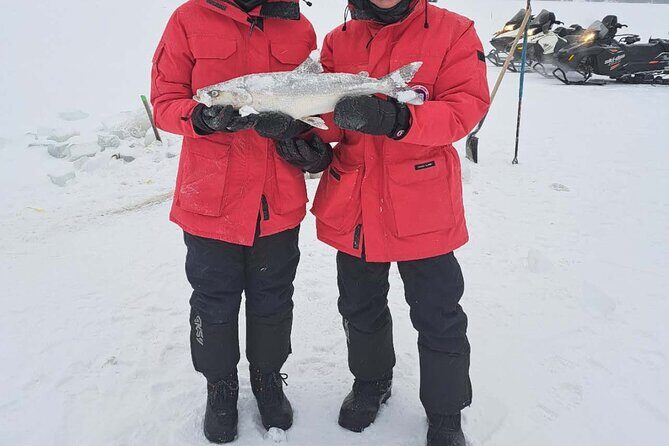
This outing starts in Yellowknife, with pickup from hotels around town. Your driver will hold a sign with the company logo, and the pickup window depends on where you’re staying. In practice, most hotels are picked up about 15–30 minutes before the activity begins, and Chateau Nova is typically one of the earlier pickups (around 15–20 minutes).
If you want a simple fallback plan, use the listed meeting point as your anchor: Chateau Nova Yellowknife, 4571 48 St, Yellowknife, NT X1A 0E2. The tour ends back at the meeting point, so you’re not stuck navigating back across a winter night.
The trip itself includes a ride out to the ice (some departures may use a sleigh for that last stretch). Either way, you’ll be transitioning from the warm hotel world into real Great Slave Lake winter conditions pretty quickly—so dress for the moment you step outside.
One practical tip: if you’re staying at a B&B, choose the closest hotel on the pickup list. It’s the difference between a smooth start and a bit of winter wandering.
You can also read our reviews of more tours and experiences in Yellowknife.
The warm tent setup: what 2.5–3 hours of ice fishing feels like
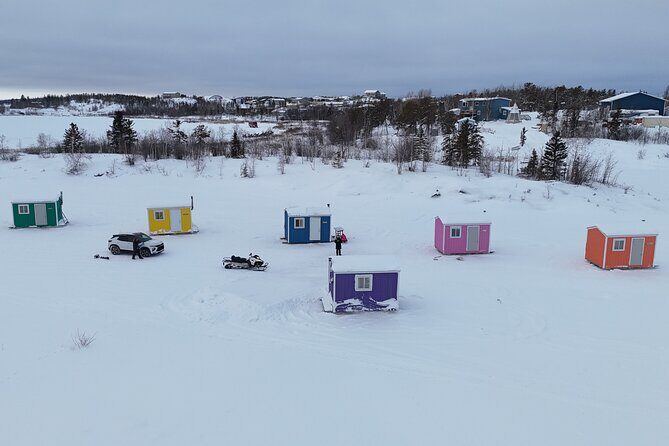
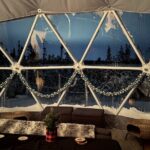
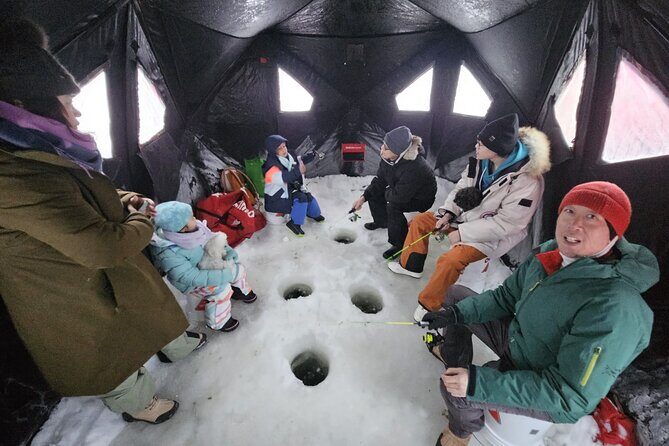
Your main fishing time happens inside a warm tent or cabin on the ice, usually about 2.5 to 3 hours with supervision. This matters more than people think. Ice fishing sounds rugged, but a heated space turns it into a focused, teachable experience.
Here’s what you can expect inside:
- Fishing from holes in the ice, with rods and bait provided
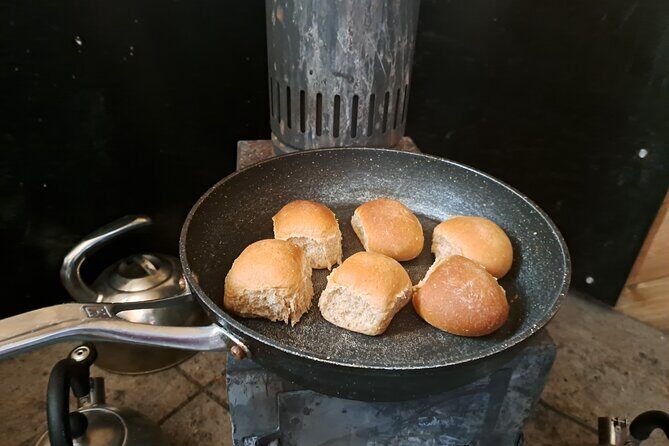
- A heated area (including a wood stove in the tent setup described in real experiences)
- Tea and coffee available in the warm space
- Constant guidance so you’re not left guessing how things work in sub-zero conditions
Supervision is key. When you’re new, small details—how to set up your fishing gear, what to watch in the hole, when to adjust—make or break your first session. The warm tent gives you a fighting chance to learn without spending half your time shivering.
Also, you’re not just staring down the hole the whole time. The rhythm is part fishing, part listening, part learning. If you’re the type who likes explanations, this is where the guide stories land hardest. Willie, for example, shares pictures and context about his predecessors and the fishing life from his community of Ulukhaktok.
Fishing gear and bait included: your job is mostly to show up ready
The tour includes fishing rods and bait, plus all your fishing gear and bait. That’s a big value point if you’re traveling light or arriving from a warmer climate where you don’t own ice-fishing equipment.
So what do you bring?
- Yourself, dressed properly
- Your layers (more on that below)
- Any personal items you need for comfort, because you’ll be spending a lot of time in winter air even if you’re in and out of the heated tent
If you’re worried about slipping on ice, the tour offers winter boots for hire. That takes the pressure off if your own footwear isn’t ideal. I’d rather pay for boot support than try to make worn tread work on packed snow.
And you’ll also want to remember the fishing license. It’s not included, and the cost is stated as CA$13 per person. You can buy it online or onsite, but either way, plan ahead so you’re not scrambling once you’re already at the lake.
Traditional net pull fishing: fun hands-on Alaska-style, but with Great Slave Lake flavor
One of the highlights is a chance to participate in the traditional art of net pull fishing. This is different from your typical line-and-hook experience because it adds teamwork and rhythm.
In a practical sense, net pull fishing gets you more involved than a passive activity. You’ll be out there participating, not just peering down a hole. It’s also the kind of activity that benefits from a smaller group size. With a max group size of 16, you’re more likely to get real instruction and a fair shot at helping.
What I like about this element is that it gives you cultural context without turning the whole day into a lecture. Willie’s stories make the fishing methods feel connected to real life, not just a staged performance.
If you’re worried you might feel awkward as a beginner: don’t. The point is to try. Net pull is a learning moment, and the setup includes supervision—so you’re not thrown into the deep end.
Lunch cooked on the ice: a wild fish fry that actually fills you up
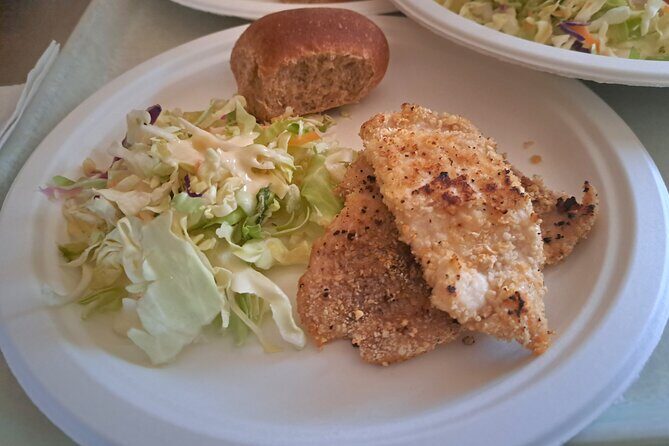
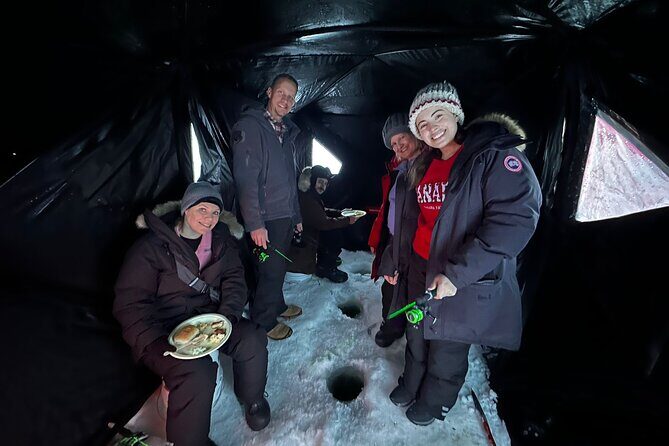
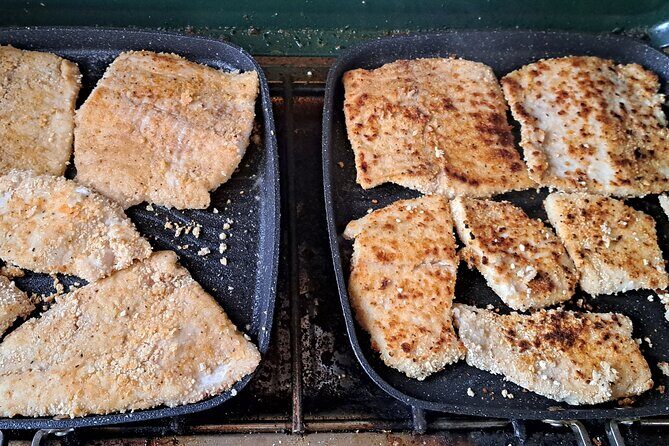
Lunch is a major part of the value here, and it’s not a sad snack. You’ll enjoy a fresh Great Slave Lake fish fry prepared for you after the first fishing stretch.
The meal includes:
- Wild fish (caught locally and cooked on top of the ice)
- Potato salad
- A dinner roll
This is the kind of lunch that makes you appreciate what you’re doing. Ice fishing burns energy even when you’re near a heat source, and the meal timing fits the experience well: you’ve been fishing for a while, and then you get to warm up and refuel.
There’s also one detail I appreciate for peace of mind: the tour notes they do not consume fish in Kam Lake. Instead, lunch is tied to Great Slave Lake fish. It’s one of those small statements that suggests the provider is being specific about what’s being used.
One more comfort factor: in the warm area, tea and coffee are available, so you can settle your body temperature while you eat.
A few more Yellowknife tours and experiences worth a look
Snowshoes or hot-water mist: how the 3.5 hours end strong
After lunch, you move into the final activity block. You can either try snowshoeing on your own, or make mist out of hot water. That second option is a fun winter-science twist: hot water meets brutal cold, and you get a visible result you don’t get at home.
This portion is shorter, but it changes the mood. You stop focusing purely on hooks and timing and switch to movement and play. If you want a break from the stillness of ice fishing, this is a good way to feel like the day had more than one mode.
Also, if you’re traveling with someone who might not love the fishing part, the variety helps. People who want action can snowshoe. People who like odd experiments can try the hot-water mist idea.
Price and value: what CA$112.59 buys on a winter lake
At $112.59 per person for about 3 hours 30 minutes, this is priced like a guided, all-in winter activity—not just a self-guided rental.
You get real value from what’s included:
- Fishing rods and bait
- All fishing gear and bait
- A warm tent/cabin setup with supervision
- Lunch made from local wild fish cooked on the ice
- A small-group experience (up to 16)
What’s not included:
- Fishing license (about CA$13 per person)
- Winter boots only if you choose to hire them
- Limited washroom access on site, which means you should plan before you arrive
To me, the math makes sense if you factor in lunch and the heated setup. If you’ve ever tried to do cold-weather activities without a guide, you know the hidden costs are real—equipment, learning curve, and comfort. Here, the guide setup handles the big parts for you.
What to pack so you stay comfortable (and not just “survive”)
This is an ice fishing tour, so your clothing strategy matters. Even if the tent is warm, the reality is you’ll be outside enough to feel the cold between steps and while waiting.
Aim for layers. A base layer plus insulating layers plus a winter shell usually works better than relying on one thick coat. Keep gloves warm and bring hat/cover for your head and ears. If you’re the kind of person who runs cold, you’ll be happier with more insulation than you think.
If slipping worries you, check the option to hire winter boots. The ice doesn’t care if you’re brave. Better to be steady than clever.
And yes, think bathroom timing: the washroom on site is limited, so use the toilet before joining the tour. This is one of those “annoying if you forget” details that can ruin an otherwise great day.
Weather and practical timing: why flexibility helps
The tour requires good weather. That means if conditions aren’t right, you’ll be offered another date or a refund.
From a planning perspective, this is one reason to not schedule this as your one and only winter activity on a tight clock. If you have a flexible window in Yellowknife, you’ll have an easier time making the day work.
The good news is the tour itself is compact. With a 3.5-hour format, it’s easier to fit into your itinerary than all-day excursions.
Who this ice fishing outing suits best in Yellowknife
This is a solid choice if you:
- Want an ice fishing introduction without buying gear
- Prefer a warm, guided setup rather than a solo cold-weather mission
- Like learning about the local culture of fishing while you do the activity
- Appreciate small-group attention (max 16)
It also works well for mixed groups. Someone can take the fishing seriously and someone else can focus on the snowshoeing or hot-water mist moment, and the day still feels complete.
If you hate being cold and you don’t handle winter well, you’ll still need to bundle up. But the warm tent/cabin structure does a lot to protect your comfort.
Should you book Ultimate Ice Fishing with Lunch?
I’d book it if you want a straightforward, high-comfort way to try ice fishing in Yellowknife. The combination of a heated fishing setup, a real chance to participate (including net pull), and a fish fry lunch cooked on the ice makes this feel like more than a one-note activity.
Skip it only if you already know ice fishing well and you’re hunting for something more extreme or independent. Otherwise, this hits a sweet spot: you get instruction, local perspective from Willie, and the best kind of souvenir—being warm while eating freshly cooked lake fish.
FAQ
Do I need my own fishing gear for Ultimate Ice Fishing with Lunch?
No. Fishing rods and bait are included, and the tour includes your fishing gear and bait. You just need to show up and dress for the cold.
Is a fishing license included in the price?
No. A fishing license is not included. You can buy one online or onsite for about CA$13 per person.
Where does pickup happen in Yellowknife?
Pickup is offered from hotels in Yellowknife. A driver will hold a sign with the company logo. If you want a reference point, the listed meeting point is Chateau Nova Yellowknife, 4571 48 St.
How long is the ice fishing portion?
You’ll fish inside a warm tent or cabin for about 2.5 to 3 hours with supervision.
What’s included in lunch?
Lunch is a fresh Great Slave Lake fish fry. It includes the fish, potato salad, and a dinner roll.
Is there a bathroom on site?
There is a limited washroom on site. You should use the toilet prior to joining the tour.
Can I hire winter boots if I’m worried about slipping?
Yes. Winter boots are available to hire if you’re worried about slipping.
What happens if weather is poor?
The experience requires good weather. If it’s canceled due to poor weather, you’ll be offered a different date or a full refund.