REVIEW · BATA SHOE MUSEUM
Toronto: Bata Shoe Museum Entrance Ticket
Book on GetYourGuide →Operated by Bata Shoe Museum · Bookable on GetYourGuide
Shoes tell stories fast. At the Bata Shoe Museum in Toronto, you’ll get 4,500 years of footwear history and a set of rotating exhibitions that make design feel like everyday culture. I especially like how the permanent display All About Shoes sets the stage before you move on to the world beyond.
One heads-up: planning your restroom stops might take a little thought, since a review noted washrooms weren’t where you’d expect on the middle rooms.
In This Review
- Key things to know before you go
- Getting your bearings at 327 Bloor Street West
- Four gallery spaces and how to pace them
- All About Shoes: the older artifacts that set the tone
- Rotating exhibitions: shoes as social history
- Price and value: what $11 really buys in time and meaning
- Practical tips: WiFi, labels, restrooms, and reading expectations
- Who this shoe museum ticket is best for
- Should you book the Bata Shoe Museum entrance ticket?
- FAQ
- Where is the Bata Shoe Museum located?
- How much is the entrance ticket?
- How long should you plan to spend?
- What do you get with admission?
- How many galleries and exhibitions are included?
- Is the museum focused on a specific time period?
- Can I use WiFi inside the museum?
- Is the museum wheelchair accessible?
- What languages are available?
- Is smoking allowed in the museum?
Key things to know before you go
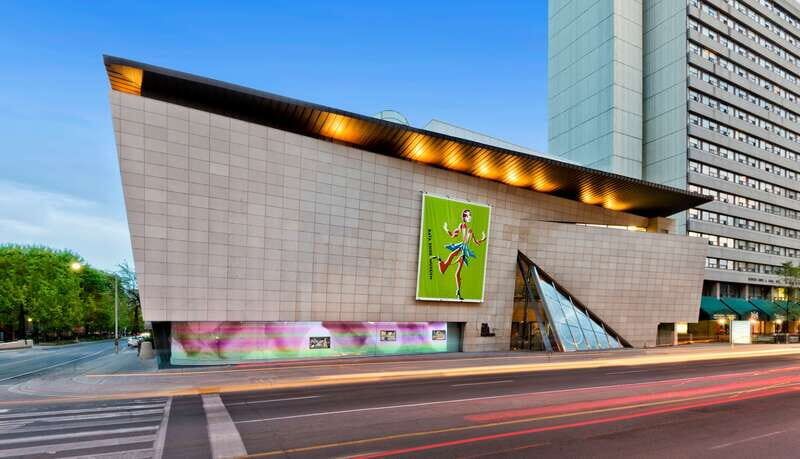
- Shoebox-shaped modern building by Raymond Moriyama: bright, open, and easy to orient in.
- Four innovative gallery spaces: each includes rotating artifacts and changing shows.
- The foundation is All About Shoes: a permanent, older-to-newer journey through footwear history.
- Social history lives in the details: rotating exhibitions connect shoes to traditions, countries, and roles.
- Free WiFi on-site: handy for maps, tickets, and looking up anything you forgot to bring.
- Language is listed as English: don’t count on French descriptions being available everywhere.
Getting your bearings at 327 Bloor Street West
The Bata Shoe Museum sits at 327 Bloor Street West, an easy add-on if you’re already spending time in downtown Toronto. You can reach it by subway, car, or Uber, and there may be street or paid parking within walking distance.
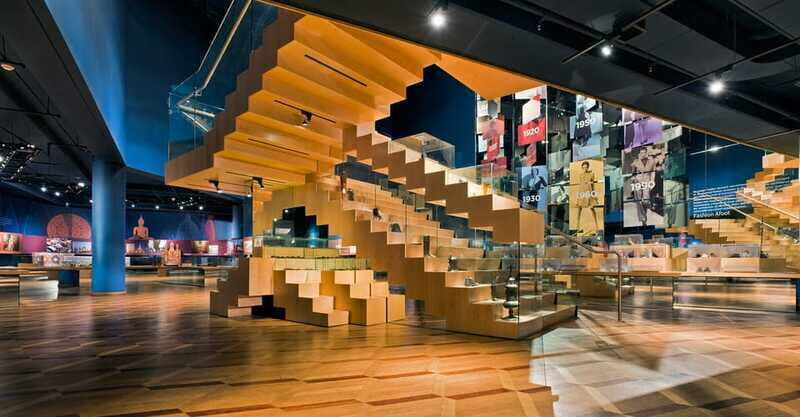
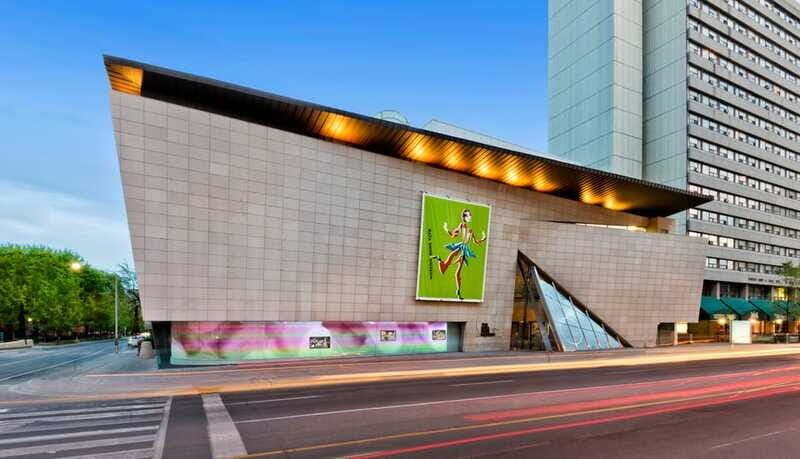
The first surprise is the building itself. It’s shaped like a shoebox and designed by Canadian architect Raymond Moriyama, with contemporary space that feels light and spacious rather than cramped. That matters because shoe collections can turn into a “look and move on” experience—here, the architecture helps you slow down.
If you like museums that feel modern but not cold, you’ll probably enjoy this one. The layout gives you a sense of flow across multiple levels, and you’re not stuck fighting your way through crowds.
Four gallery spaces and how to pace them
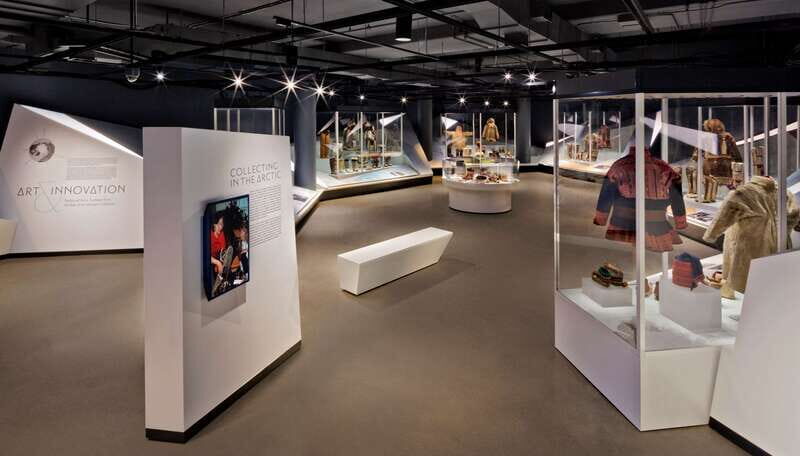
This ticket gives you general admission to a museum experience built around four innovative gallery spaces. Each space includes rotating exhibitions, which is a big reason the museum stays interesting even if you’re a repeat visitor type.
Here’s the practical way to think about it: the museum isn’t only one long shoe hallway. You move through distinct areas, and the rotating pieces help you compare eras and cultures instead of just scanning thousands of objects in a single pass.
A common pattern that works well is:
- Start with the permanent anchor so you understand the “why” behind the collection.
- Then spend your second half on rotations and social-history themes.
- End with whichever gallery makes you pause longest, not whichever one you think you should finish.
That approach also handles attention spans. If you’re a “watch me read the labels” person, you can take your time. If you’re more of a “show me the objects” person, you’ll still get plenty out of the displays.
One more note: because exhibits rotate, you may see different things than someone else saw on their visit. That’s not a downside; it’s part of the museum’s value.
All About Shoes: the older artifacts that set the tone
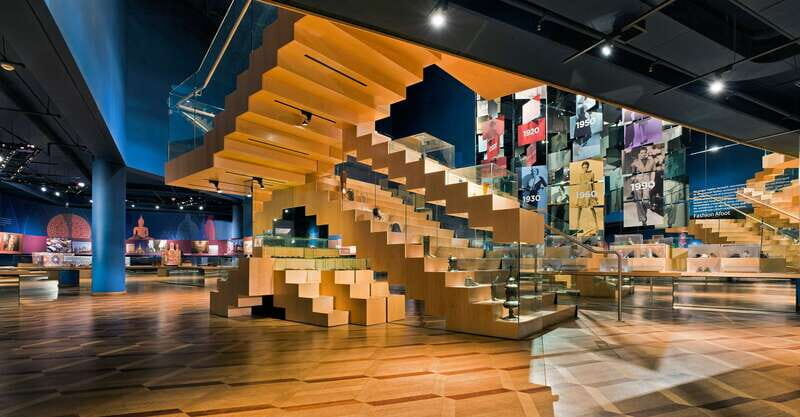
The standout permanent experience is All About Shoes. Multiple reviews pointed to the basement/older-artifacts section as the place where the museum really connects the dots—from past footwear to what we wear now.
I like this structure because it respects how people learn. If you start with modern fashion or decorative shoes, you miss how technology, materials, and culture shaped what became “normal.” Starting with the older story gives the rotating exhibitions something to echo.
In that permanent run, you’re essentially tracing footwear over 4,500 years of history. That’s a huge time span, so the exhibits do the right thing: they focus on the evolution of form and function, not just the fact that shoes existed.
A small but real logistics consideration: at least one review wished for washrooms on a middle level rather than in the basement. So if you’re planning a longer visit, I’d treat restrooms as part of your route, not an afterthought.
Rotating exhibitions: shoes as social history
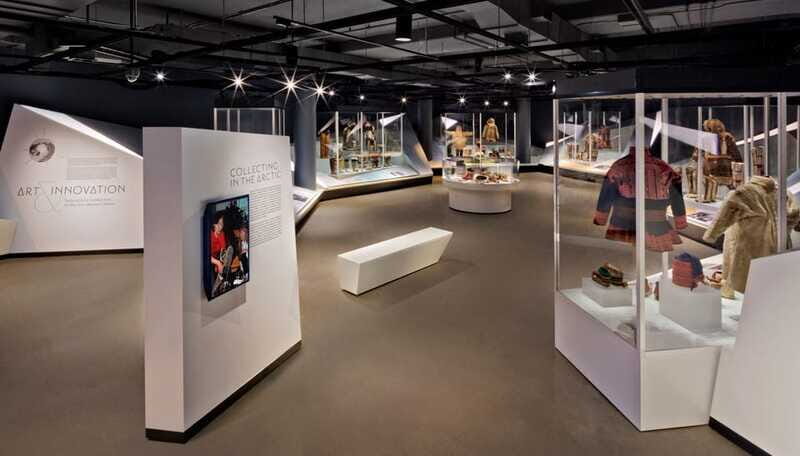
The museum doesn’t just show footwear as objects. It uses shoes to tell social history—how people dressed for climate, work, status, identity, and tradition. That’s what makes the rotations more than decoration.
You’ll also notice the variety: different materials, colors, and styles from around the world. The museum collects, researches, preserves, and exhibits footwear globally, so the displays tend to feel like cross-cultural conversations rather than one country’s story repeated.
One review specifically mentioned catching an exhibition related to Manolo Blahnik. Since the museum rotates, you might see brand-name exhibitions during your visit, but you can’t count on a specific one. Still, it’s a good sign that the museum can handle both design-focused and history-focused themes.
If you’re the kind of person who enjoys context—why a style appears when it does—this is where the museum starts clicking. Shoes stop being a fashion afterthought and become evidence of human life.
Price and value: what $11 really buys in time and meaning
At $11 per person, this ticket is priced like a small splurge that doesn’t require you to commit your whole day. Duration is listed as 1 day, and that’s accurate in spirit: you’re buying admission, not a timed tour with rigid pacing.
The value shows up in two ways. First, you’re getting multiple gallery spaces plus a long-running historical component, so you can spend enough time to feel like you went deep without paying “half-day attraction” prices. Second, you’re paying for the museum’s scholarship and preservation work—research, collecting, and conserving footwear from around the world.
One review mentioned being surprised at the price at first, then feeling happy they’d paid more after visiting. That’s the best way to describe the experience: the price doesn’t threaten your budget, but the museum delivers more than a casual glance would.
If you’re going to pair this with other attractions, you can. One review noted the option to combine passes with the Textile and the Gardiner Museums for a better deal. If you’re doing that kind of museum day, check what bundle options are available when you book, since offers can change.
Practical tips: WiFi, labels, restrooms, and reading expectations
The museum includes complimentary WiFi on-site. That’s more useful than it sounds. You can map your route, save exhibit descriptions, or quickly look up background topics you’re curious about while you’re standing in front of the shoes.
About the “reading experience”: the listed language for the museum is English. So if you were hoping for French descriptions alongside English, plan for English-first. That won’t ruin the visit, but it will shape how much you read versus how much you look.
A couple other practical notes that came up:
- Some people wanted an app to make navigation and information easier, similar to how other Toronto attractions handle it.
- An audio/visual presentation could have helped, based on one comment.
Those don’t sound like deal-breakers, but they point to the museum’s style: it’s object-led and label-led. If you prefer lots of multimedia, you may want to manage expectations.
And again, restrooms: plan your stops around the layout. If the washrooms aren’t on the same level as you’re most of the time, it’s better to remember that early than to lose time later.
Who this shoe museum ticket is best for
You’ll likely love this ticket if:
- You enjoy museums where design connects to history and everyday life.
- You like seeing how objects reflect climate, work, and identity over long time periods.
- You want an indoor activity that still feels varied, thanks to rotating exhibitions.
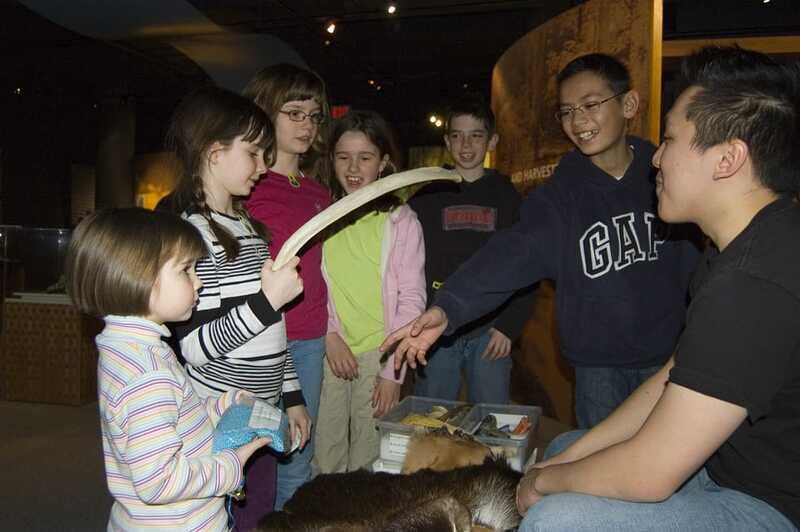
It’s also a good choice for mixed groups. Reviews included a parent-and-child outing, and the museum’s structure supports that kind of visit. You can split attention: adults can read and compare, while kids (or shoe-curious companions) can focus on the visual variety.
If you’re someone who expects a strict, chronological “tour route,” you might have to create your own flow. The experience is self-guided with rotating spaces, so you’ll get the most out of it when you decide whether you want to linger in the history section first or jump straight into the most current-looking displays.
And if you strongly prefer bilingual interpretation, check the language expectation (English is stated). You can still enjoy the museum, but the reading experience may not match what you hoped for.
Should you book the Bata Shoe Museum entrance ticket?
Yes, I think you should book it if you want a thoughtful museum stop in Toronto without turning it into a half-day project you regret. $11 is a manageable price point, and the combination of four gallery spaces plus the long-running All About Shoes exhibit gives you enough structure to feel satisfied.
Book it especially if you like the idea of learning through objects—how footwear tracks technology, culture, and human needs. It’s the kind of place where you might start with curiosity and end with a slightly different way of noticing shoes on the street.
Skip it only if you know you won’t enjoy label-led, object-led exhibits, or if you require bilingual (French + English) interpretation throughout. Otherwise, this is a high-value museum ticket with a genuinely distinct theme.
FAQ
Where is the Bata Shoe Museum located?
The Bata Shoe Museum is at 327 Bloor Street West, Toronto, Ontario, Canada.
How much is the entrance ticket?
The ticket price is listed as $11 per person.
How long should you plan to spend?
The experience is listed as lasting 1 day, and you can spend time exploring the museum’s galleries at your own pace.
What do you get with admission?
Your ticket includes general admission to the Bata Shoe Museum, and you’ll also have complimentary WiFi on-site.
How many galleries and exhibitions are included?
The museum features 4 innovative gallery spaces with rotating exhibitions and artifacts.
Is the museum focused on a specific time period?
You’ll see a journey through 4,500 years of footwear history, including the permanent exhibit All About Shoes.
Can I use WiFi inside the museum?
Yes. Complimentary WiFi is available on-site.
Is the museum wheelchair accessible?
Yes, wheelchair accessibility is listed as available.
What languages are available?
The experience language is listed as English.
Is smoking allowed in the museum?
No. Smoking is not allowed.