REVIEW · PORT HARDY
Port Hardy: Sea Otter and Whale Watching
Book on GetYourGuide →Operated by Coastal Rainforest Safaris · Bookable on GetYourGuide
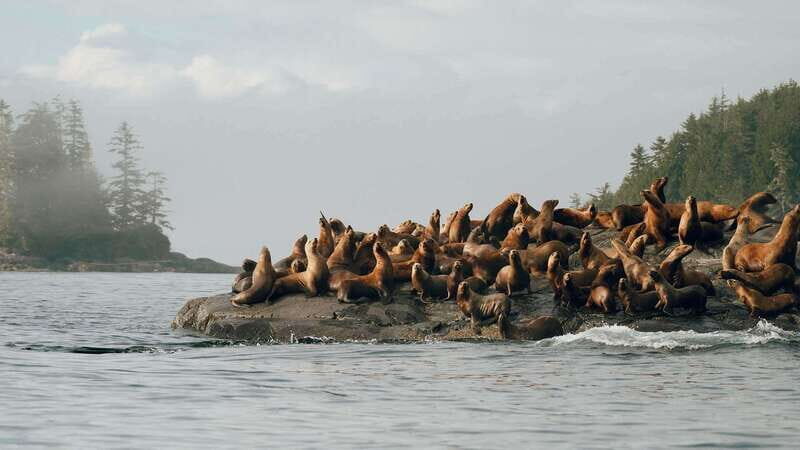
Cold water, big wildlife, real comfort. From Port Hardy, this northern Vancouver Island sea-life outing takes you across the waters of the Kwakwakaʼwakw First Nations with a small group on a custom 12-passenger RHIB, and the onboard hydrophone helps you track whales even before you spot them. I love the way the boat is set up for comfort with shock-mitigating suspension seats, and I love how guides, including AJ, keep the focus on respectful wildlife watching plus practical explanations.
One possible drawback: this is a fast boat ride on open water, so if you have back problems or you’re prone to seasickness, you’ll want to think hard before booking. Also, like any wildlife trip, sightings can’t be guaranteed, even though the guides know where to look and can cover lots of water.
In This Review
- Key things I found most compelling
- Port Hardy Check-In: Suits Up in Time for Wildlife
- The RHIB Ride (12 People Max): Comfort That Helps You Stay Focused
- How the Guides Search: Sea Otters, Whales, and the Motions of the Wild
- Whale Listening 101: The Hydrophone Changes How You Notice Them
- Where Photos Work Best (and Why Tripods Are Off-Limits)
- Lunch at Sea: Hot Drinks While You Catch Your Breath
- Weather Reality: Fog and Motion Are Part of the Deal
- Value Check: Is $276 Worth It for 5.5 Hours?
- Who Should Book This (and Who Should Probably Skip)
- Should You Book Port Hardy Sea Otter and Whale Watching?
- FAQ
- Where do I meet for the Port Hardy sea otter and whale watching tour?
- How long is the tour?
- What is included in the price?
- What should I bring?
- Are drones, tripods, or pets allowed?
- Is the tour suitable if I get seasick or have back problems?
Key things I found most compelling
- Custom 12-passenger RHIBs with suspension seating for a smoother ride than typical zodiac-style boats
- Onboard hydrophone so you can listen for whale activity during the search
- Two-piece flotation suits, warm hats, and binoculars included, so you don’t scramble for gear
- Lunch and hot drinks built into a 5.5-hour outing, which helps you stay warm and focused
- Local Indigenous guides and naturalists share context as you watch wildlife in Kwakwakaʼwakw waters
- Handheld-focused wildlife viewing, since tripods and drones aren’t allowed
Port Hardy Check-In: Suits Up in Time for Wildlife
This trip starts at Coastal Rainforest Safaris’ office at 7185 Market St, Port Hardy. Plan to arrive 30 minutes early. That time matters because you’ll be outfitted before you head out—two-piece flotation suits and warm hats are part of the package, and you’ll sign a waiver first.
What you’ll feel right away is that this is set up for real cold-water conditions, not just a quick sight-seeing cruise. I like that they provide the bulk of what you need to stay warm on the water. You just show up in layers (warm clothing is required), and you avoid the usual last-minute gear run.
A couple of practical rules are worth knowing so you’re not stressed mid-check-in:
- No bare feet (you’ll be in flotation gear, so wear proper footwear)
- No strong fragrances (keep it simple)
- No pets and no smoking
- Tripods and drones aren’t allowed, so if you use a camera, plan on handheld shooting or compact support
You can also read our reviews of more tours and experiences in Port Hardy.
The RHIB Ride (12 People Max): Comfort That Helps You Stay Focused
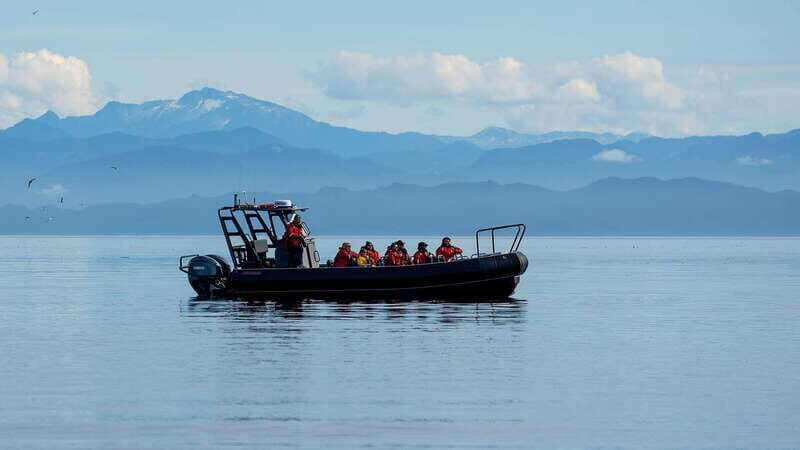
The boat is a custom-made RHIB designed for wildlife viewing, with room for 12 passengers. The biggest comfort detail is the seating: instead of bench-style rows, you get individual seats mounted on shock-mitigating suspension platforms. In plain terms, it’s built to handle speed and chop without turning the trip into a bouncing contest.
That comfort isn’t just a nice-to-have. When you’re scanning for whales or sea otters, your eyes and hands work harder when you’re constantly bracing for impact. A smoother ride helps you keep your attention on what the guide is pointing out—especially when an animal surfaces briefly.
You also get an onboard toilet, which sounds small until you’re already out there with hours of wildlife searching ahead. Having that onboard also means the trip can stay focused on the water rather than frequent stops.
And yes, this is a fast boat capable of covering extensive areas. That’s part of how the guides increase your chances—more searching territory means more opportunities to find marine wildlife. Just remember it’s still open water, so dress for cold and expect the ride to feel brisk.
How the Guides Search: Sea Otters, Whales, and the Motions of the Wild
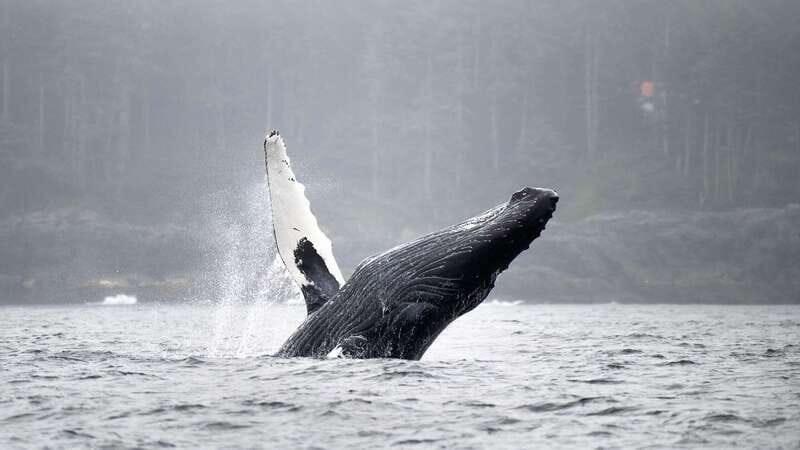
This is guided wildlife viewing from start to finish, with a local driver/naturalist and local Indigenous staff and guides. What matters most is that the guides are familiar with the waters around northern Vancouver Island. They’re not just driving around hoping for luck.
The trip is designed so the vessel can cover broader areas, improving the odds of encountering different species. That said, no operator can promise every species on every day. Wildlife has its own schedule, and the ocean doesn’t follow a timetable.
In the best moments, you’ll see why they call out respect and observation. The guides help you interpret what you’re looking at—behavior, timing, and where to aim your attention. AJ is one name that comes up often in accounts of this outing, and the theme is consistent: finding wildlife quickly while keeping the focus on careful watching rather than chasing.
A useful mindset for this trip: you’re not just viewing animals; you’re learning the local rhythm. If conditions are tricky or visibility is limited, it helps to stay flexible and trust the guide’s choices about where to look next.
Whale Listening 101: The Hydrophone Changes How You Notice Them
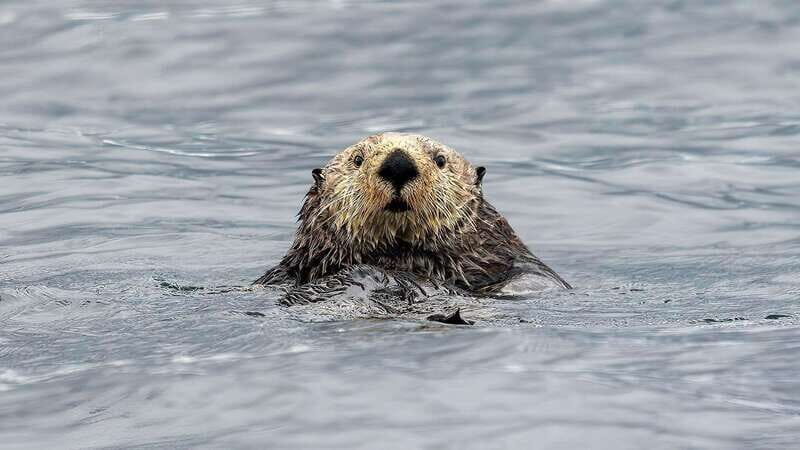
One of the standout inclusions is the hydrophone onboard. This lets you listen for whale activity while you’re out on the water. If you’ve never used one before, here’s the practical takeaway: it can turn the trip from a pure sight game into an audio-and-observation experience.
That matters when weather or sea state makes spotting harder. You might hear activity even when you can’t immediately see the source. Then, when whales do surface, you’re already tuned into the pattern. It’s also a great equalizer—people who aren’t expert spotters still get real value because the hydrophone gives you another channel of information.
The hydrophone isn’t a magic wand. It won’t guarantee whales. But it does add depth to the experience, and it makes waiting feel purposeful instead of idle.
Where Photos Work Best (and Why Tripods Are Off-Limits)
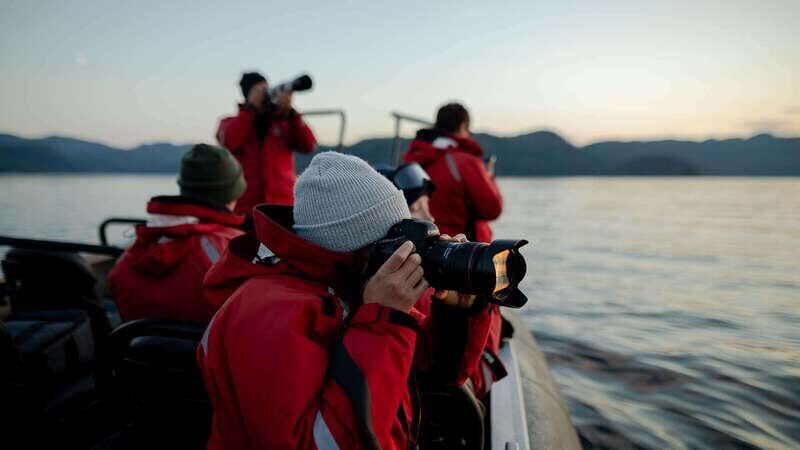
Photography is part of the appeal here. The waters around Port Hardy can offer quick surface moments and close, detailed wildlife behavior—ideal for camera users. But you need to plan for the rules: tripods aren’t allowed and drones aren’t allowed.
That restriction makes sense on a small boat. With only 12 passengers, tripods would clog space and create safety issues during movement. It also keeps attention on the wildlife rather than gear.
So what should you do?
- Use handheld shooting or a compact setup that won’t require a tripod
- Expect frequent repositioning as the guide finds activity
- Dress warm enough that your hands stay steady for short burst shooting
Also, rely on the included binoculars when you can. They’re provided for a reason: whales and otters may appear and vanish quickly, and binoculars help you track what the guide is calling out without hunting blindly.
Lunch at Sea: Hot Drinks While You Catch Your Breath
This outing includes lunch with hot drinks. After hours of scanning the water, food stops being a “bonus” and becomes part of the comfort strategy.
I like this setup because it helps you reset without leaving the experience behind. Instead of turning the day into separate travel and dining blocks, the meal stays tied to the expedition rhythm—watch, listen, refocus, eat something warm, and keep going.
If you’re out in cold wind, warm drinks also help you warm up hands and face. That can make the rest of the ride feel easier, especially if you start the day a bit tense about the cold.
Weather Reality: Fog and Motion Are Part of the Deal
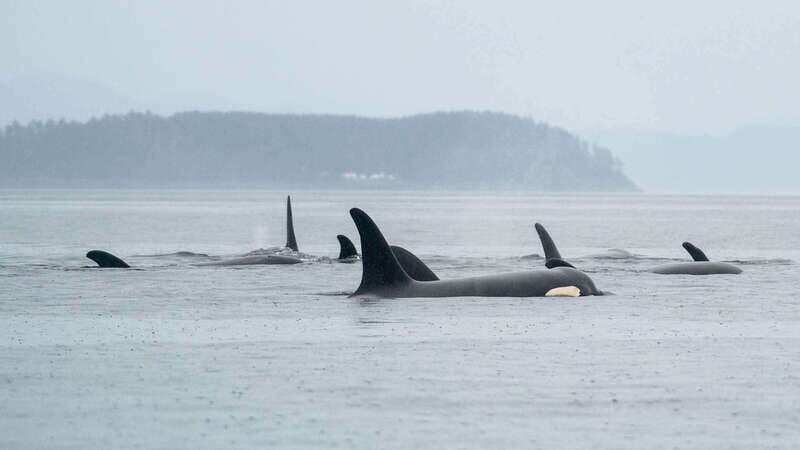
Northern Vancouver Island can throw curveballs. In one account of the experience, a foggy August day still ended with a lot of excitement—especially with orca sightings—even when conditions weren’t ideal.
You should plan for the possibility of fog or reduced visibility, because this region is known for changing weather. The high-speed boat and the ability to cover water helps, but the real advantage is that the guides don’t rely on one factor. They watch, they listen, and they reposition.
The motion of the boat will also be affected by conditions. That’s why the trip isn’t listed as suitable for everyone. If you’re prone to seasickness, you’ll want to evaluate carefully before committing, because the ride can be fast and the water can be active.
My advice: if you know you get seasick easily, don’t treat this as a “maybe I’ll be fine” situation. Choose based on your body, not your hopes.
Value Check: Is $276 Worth It for 5.5 Hours?
At $276 per person for about 330 minutes (roughly 5.5 hours), this isn’t a cheap boat ride. So here’s the value argument that actually matters: you’re paying for expertise, equipment, and a guided system for finding wildlife.
What you get that changes the math:
- Fully-guided whale and wildlife viewing
- Local driver/naturalist plus Indigenous staff and guides
- Two-piece flotation suits, warm hats
- Binoculars
- Lunch and hot drinks
- Onboard hydrophone
- Onboard toilet
- A boat set up for comfort with suspension seating and a small group size
If you tried to build this yourself—getting the right boat access, the cold-water gear, and the local know-how—you’d likely spend similar money or more, and you’d still be missing the hydrophone plus the guide-led search strategy.
I also like the small group aspect. With only 12 passengers, it tends to keep wildlife viewing more controlled and focused. And the comfort setup means you can actually enjoy the full length of the trip instead of counting minutes until you’re done.
Who Should Book This (and Who Should Probably Skip)
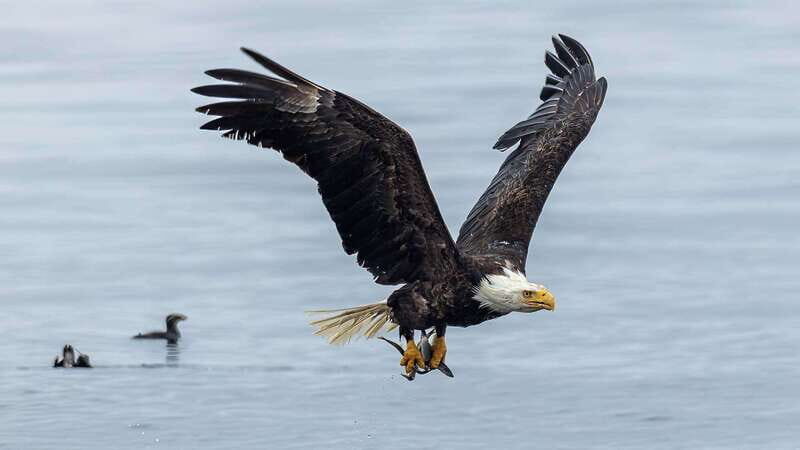
This tour fits best if you want a focused wildlife outing with a guide, you’re comfortable in cold conditions, and you like the idea of both seeing and listening.
It’s a strong match for:
- People who want a guided search process rather than a passive cruise
- Wildlife photography fans who can work handheld (since tripods and drones aren’t allowed)
- Visitors who appreciate context from local Indigenous staff and guides while watching wildlife in Kwakwakaʼwakw lands and waters
It’s not a good match if:
- You have back problems
- You’re prone to seasickness
- You hate cold, windy conditions, even with flotation suits and warm hats included
Also think about your patience. Wildlife sightings follow the ocean’s timing. The best days feel thrilling, but on a quieter day you’re still getting a guided, educational experience with tools like binoculars and the hydrophone.
Should You Book Port Hardy Sea Otter and Whale Watching?
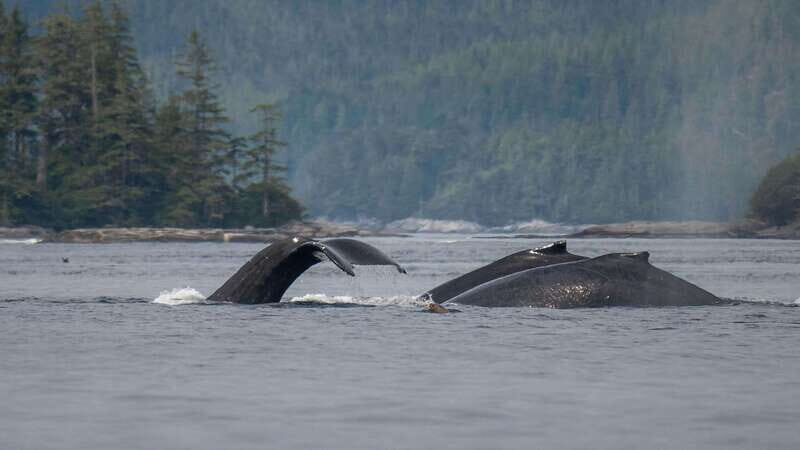
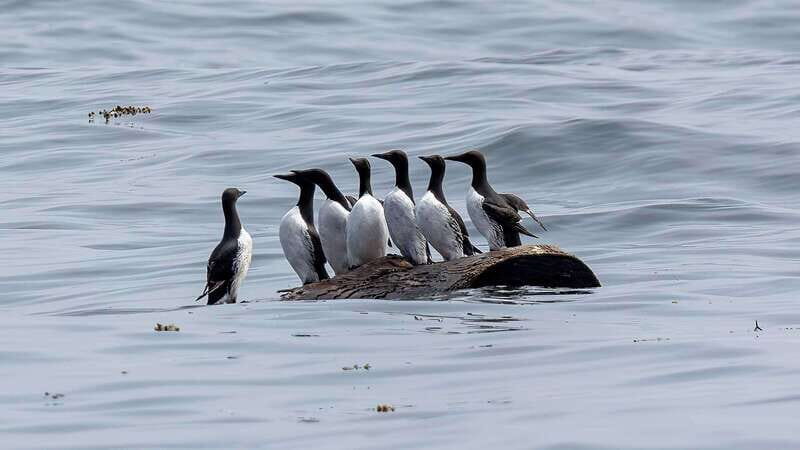
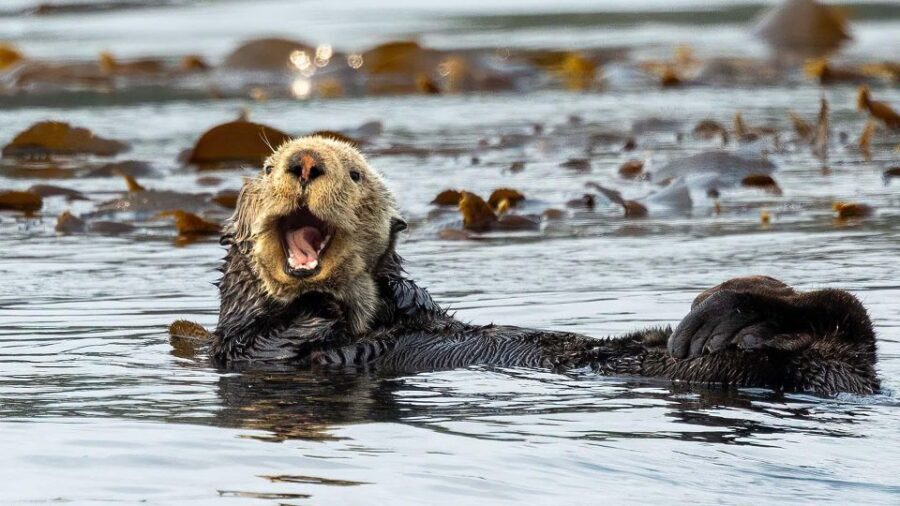
If you’re heading to Port Hardy and you want your day to be about real marine wildlife—sea otters, whales, and other ocean life—this is one of the clearer choices on the value side because a lot is included: gear, food, whale listening tech, and guided search.
I’d book it if you:
- Are comfortable on a small fast boat for several hours
- Dress warmly and understand it’s cold-water watching
- Want guides to help you read what you’re seeing (not just point at random water)
I’d think twice if you:
- Know you get seasick easily
- Have back issues that make boat motion tough
Do that simple reality check, plan for warm layers, and you’ll be set up for one of those days where the ocean surprises you—sometimes with otters close by, and sometimes with whales appearing right when you’re tuned in.
FAQ
Where do I meet for the Port Hardy sea otter and whale watching tour?
Meet at Coastal Rainforest Safaris’ office, 7185 Market St, Port Hardy, and arrive 30 minutes before departure so you can be outfitted in flotation suits and sign the waiver.
How long is the tour?
The tour duration is 330 minutes.
What is included in the price?
The tour includes fully-guided whale and wildlife viewing, an onboard hydrophone, two-piece flotation suits, binoculars and warm hats, lunch with hot drinks, and an onboard toilet.
What should I bring?
Bring warm clothing.
Are drones, tripods, or pets allowed?
Drones and tripods are not allowed, and pets are not allowed. Smoking is also not allowed.
Is the tour suitable if I get seasick or have back problems?
No. It is not suitable for people with back problems or people prone to seasickness.