REVIEW · KELOWNA AND OKANAGAN VALLEY
Kelowna South Slopes Wine Tour – 5 wineries on the tour
Book on Viator →Operated by Metropolis Wine Tours · Bookable on Viator
South slopes wine days sound easy. This one runs with door-to-door pickup and tightly timed 30-minute tastings. You get a real cross-section of the Okanagan’s styles, from cool-climate whites to cider, honey wine, and small-lot reds.
What I like most is how focused the stops feel. Each winery seat time is short enough to keep the energy up, but not so short you miss the story behind the glass. I also like that you’re set up for the day with bottled water and snacks, plus an air-conditioned vehicle if the heat shows up.
One thing to consider: with multiple tasting rooms packed into a half-day window, you’ll want to go slow at each pour. If you show up starving or you get chatty about every bottle, the schedule can feel tight.
In This Review
- Key things worth knowing before you go
- South Kelowna in a Single Shuttle: What the 11:00am Timing Means
- Price and Logistics: Getting Value From $163.87
- Your 30-Minute Tastings: The Route in Detail
- Stop 1: The View Winery and Vineyard
- Stop 2: The Lewis Family Vine Winery (Live Music, 3D Art, and a Fun Room)
- Stop 3: Summerhill Pyramid Winery and Its Star-Aligned Cellar
- Stop 4: Sandhill Wines and Terroir by the Vineyard
- Stop 5: Priest Creek Family Estate Winery With Mountain Vistas
- Stop 6: SpearHead Winery and Pinot Noir in Small Lots
- Stop 7: Camelot Vineyards and the Orchard-to-Winery Switch
- Stop 8: CedarCreek Area Stop Linked to House of Rose Founder Vern Rose
- Stop 9: Meadow Vista Honey Wines and 110 Hives
- Stop 10: Sperling Vineyards and the Flying Winemakers
- Guide, Group Size, and the Feeling of a Private Day
- How to Plan Your Drinking Pace (Without Turning It Into Chaos)
- Should You Book This Kelowna South Slopes Wine Tour?
- FAQ
- FAQ
- How long is the Kelowna South Slopes Wine Tour?
- What time does the tour start?
- Is pickup available?
- Are tasting fees included in the price?
- Is lunch included?
- How big is the group?
- What happens if the weather is poor?
Key things worth knowing before you go
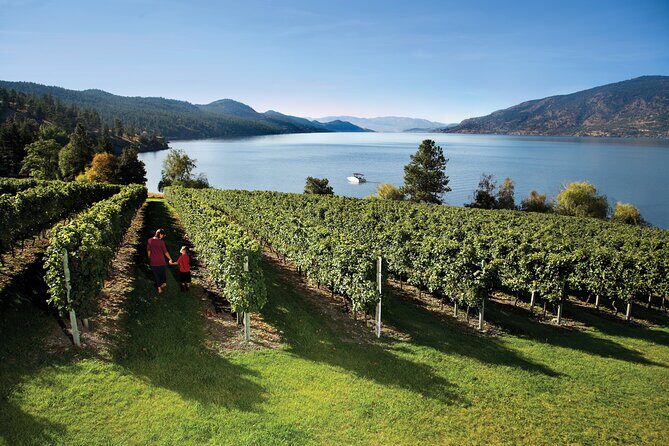
- Small group max of 14 keeps the vibe friendly and makes it easier to ask questions
- Pickup across Kelowna and nearby towns means you’re not fighting parking or rideshares
- Most tasting fees are covered, with possible extras for ice wine or specialty pours
- A mix of wine styles and producers includes cider, honey wine, and estate vineyard philosophies
- Each stop runs about 30 minutes, so pace your tasting and bring water between rooms
- Good-weather dependent day, so keep an eye on the forecast close to your start time
South Kelowna in a Single Shuttle: What the 11:00am Timing Means
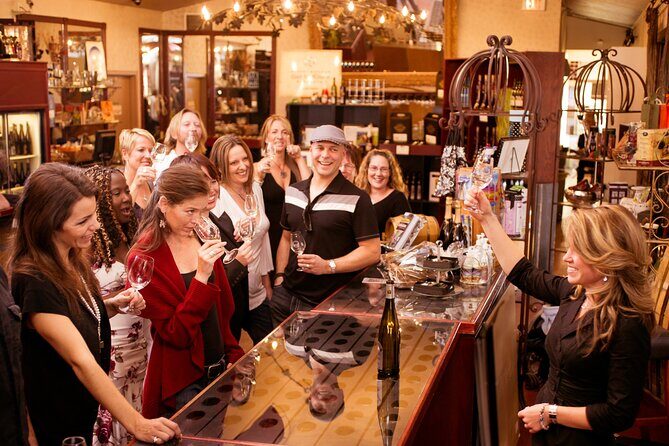
You start at 11:00am from the Delta Hotels Grand Okanagan Resort on Water Street, and then the tour company uses door-to-door pickup for many nearby areas. That matters more than it sounds. If you’re staying in Kelowna proper, you avoid the hassle of coordinating cars. If you’re outside town, it also means you don’t burn your best daylight on driving.
The whole experience is listed at 3 to 6 hours. That wide window is normal for wine country routes because travel time and tasting-room flow can change. What you can count on is the structure: each stop is paced at about 30 minutes, so you’ll have a rhythm to the day—arrive, taste, get the story, move on.
And because the tour uses a mobile ticket and an air-conditioned vehicle, the day feels practical. You’ll spend less time figuring out logistics, more time actually tasting.
You can also read our reviews of more wine tours in Kelowna and Okanagan Valley
Price and Logistics: Getting Value From $163.87
At $163.87 per person, this isn’t the cheapest option on the Okanagan scene—but it is the kind of price that makes sense when you add up real costs: transportation, guide time, and tasting-room entry. It also includes bottled water, snacks, and air-conditioned transport, which is a small detail that can save your day.
Here’s the value breakdown in plain language:
- Tasting fees are included at the stops, with the note that ice wine or specialty wines may cost extra.
- Lunch is not included, so plan to eat something substantial before you go.
- Wine purchases are not included (you’ll be offered opportunities to buy, but nothing is “mandatory”).
- Provincial sales tax is not listed as included, so your total at purchase time may vary depending on what you add.
Also, this runs with a maximum of 14 travelers. That small cap usually translates to better conversation time and less “look at the clock” frustration in tasting rooms.
One more practical note: the tour is offered in English and allows service animals. If that matters to you, it’s good to have it clearly stated.
Your 30-Minute Tastings: The Route in Detail
Below is how the day reads, stop by stop. Keep in mind that a route can feel like a sprint if you treat every pour like a full seminar. Your best move is to taste for patterns: fruit, spice, acidity, and whether you like the winemaking style.
Stop 1: The View Winery and Vineyard
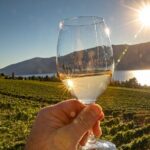
This estate winery sits above Kelowna and Okanagan Lake, and that elevation shows up in the experience. You’re tasting wines made from a cool-climate angle: award-winning aromatic whites plus fruit-forward, spicy reds.
What I’d call the special factor here is the setting. You taste in a working cellar inside a 1920s-era building that used to function as a neighborhood apple packing house. That apple-to-vineyard connection is more than decor—it fits the way the winery also crafts Wards Cider in honor of the region’s apple history.
Good for you if you like wineries that explain place through production choices, not just marketing language.
Possible drawback: you’ll likely be tempted to buy more than you planned, because the cellar-style tasting makes everything feel personal and close-up.
Stop 2: The Lewis Family Vine Winery (Live Music, 3D Art, and a Fun Room)
This is a family-owned stop tied to Wyn and Marion Lewis, with a story built around Pinot vines—eventually totaling 8,000 Pinot vines. There’s also a memorable detail: they relate a win that came from accidentally winning Best White Wine in the World at a World Beverage Competition in Geneva. The point for you isn’t the trivia—it’s that the winery’s identity is built on craft plus a sense of humor.
Expect more than silent tastings. This stop includes live outdoor music and Phil Lewis 3D Art, and it’s set up with extra spaces like Jacko’s lounge, plus references to an Okanagan Villa and a recording studio experience.
Good for you if you want a wine stop that feels social and creative, where tasting is only part of the fun.
Possible drawback: if you prefer quiet rooms and no music, this is the stop most likely to feel noisy during your tasting window.

Stop 3: Summerhill Pyramid Winery and Its Star-Aligned Cellar
If you like the science-y side of wine, this is your stop. Grapes come from organically and biodynamically grown sources, and the winery describes natural fermentation with an aim to retain antioxidants. That’s a clear winemaking message: fewer interventions, more fruit expression.
Then you get the building concept: the wines are finished in the Pyramid Cellar, described as built with precision Sacred Geometry and aligned to the stars for structure and stillness. Even if you don’t care about the geometry itself, the cellar idea changes how you experience the tasting—less like a storefront and more like a themed space.
Good for you if you enjoy tasting in a place where the atmosphere is part of the brand.
Possible drawback: the conceptual angle can make the stop feel more “experience” than “serious tasting lab,” depending on your mood that day.
Stop 4: Sandhill Wines and Terroir by the Vineyard
Sandhill is built on a very practical idea: different vineyards have different soil and slope, and managers shape outcomes with their methods. You’ll hear about grapes coming from six unique BC vineyards: Sandhill Estate, King Family, Phantom Creek, Osprey Ridge, Hidden Terrace, and Vanessa Vineyard.
That approach matters for you because it shapes what ends up in your glass. Instead of tasting one house style, you’re tasting vineyard character translated into wine. The winery also describes a non-interventionist approach so fruit character stays front and center.
Good for you if you’re the type who likes comparing wines and learning how vineyard conditions change what you taste.
Possible drawback: if you’re mostly looking for easy, crowd-pleasing pours, the terroir talk might feel like a lot in a 30-minute slot.
Stop 5: Priest Creek Family Estate Winery With Mountain Vistas
This one sits on the South Kelowna Wine Trail and comes with mountain views in all directions. It’s an estate story from Darren and Jane, tied to raising children on the vineyard and returning to farming roots.
The name Priest Creek is connected to regional heritage. The creek runs behind the property and flows into Mission Creek, and it’s said that Father Pandosy planted the first grapes in the valley for wine.
Good for you if you like wineries where the history is tied to land use—orchards to vineyards, or mission-era roots to today’s estate growth.
Possible drawback: the heritage emphasis can mean fewer modern “extras” like music or big installations, so if you want a party vibe, this might feel more grounded.
Stop 6: SpearHead Winery and Pinot Noir in Small Lots
SpearHead is focused on premium quality and small-lot production. Their grapes come from estate vineyard sources plus selected Okanagan Valley vineyards, and the winery describes hand harvesting, sorting, and fermenting in small lots.
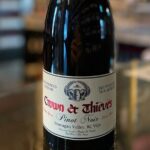
The anchor grape here is Pinot Noir. On their estate vineyard, it’s stated that about 80% of 15 acres is Pinot Noir, grown in four Dijon clones, two California heritage clones, plus Pommard. The idea is that different clones bring different traits, and the winemaker selects to build a harmonious, complex Pinot.
The winery also grows Chardonnay and Riesling, and references draw from vineyards like Golden Retreat in Summerland and Coyote Vineyard in West Kelowna. Their vineyard and winemaking teams are led by Grant Stanley.
Good for you if you like varietals and want to hear why the winemaking choices matter, not just what the label says.
Possible drawback: clone talk is detailed; if you’re more into lifestyle wine stories than technical choices, you may want to ask for the simplest tasting guide available.
Stop 7: Camelot Vineyards and the Orchard-to-Winery Switch
Camelot started as an orchard owned by Ruth and the late Robert Young Senior for almost 40 years. In 1996, the property changed direction: trees were removed and the acreage was replanted with a vineyard.
The winery structure came later, erected around October 2006, after the business stayed in the family through Robert Young Jr. and Denise.
Good for you if you like transformation stories—how a property evolves as market and climate opportunities change.
Possible drawback: this stop may feel less flashy than ones with music or architectural features, so your enjoyment depends on whether you enjoy the wine itself and the family narrative.
Stop 8: CedarCreek Area Stop Linked to House of Rose Founder Vern Rose
This stop is described as the Home Block at CedarCreek Estate Winery, but the details focus on Vern Rose, founder of House of Rose Winery. He moved to Kelowna in 1983, retired from teaching in Edmonton, Alberta, and bought a 6.7-acre property that had been an apple orchard before conversion to vineyard.
For you, the value here is the personal thread: it’s an example of how people transition from one life chapter to another, and then build a wine business from a small plot.
Good for you if you like hearing origin stories tied to a specific number—acres, years, and a clear conversion from orchard to vineyard.
Possible drawback: the conceptual “origin” angle means you might want to be proactive about asking what wines you’re tasting and why they match this estate block.
Stop 9: Meadow Vista Honey Wines and 110 Hives
This is the curveball stop that makes the whole tour feel different. Meadow Vista sits on a five and a half acre farm in Kelowna among orchards in East Kelowna. Instead of grapes-only, it’s about honey wine, with the farm working alongside a beekeeper and 110 hives.
They emphasize local pollination, because the hives spend time on other farms too, and then they turn nectar into their honey wine lineup. It’s described as tasting like nature in a glass, and the winery positions it as a fresh food-and-wine pairing style.
Good for you if you want at least one non-traditional tasting so your day doesn’t blend into all-grape comparisons.
Possible drawback: if you’re only interested in wine in the strict grape sense, you may need a mindset shift to enjoy honey wine for what it is.
Stop 10: Sperling Vineyards and the Flying Winemakers
Sperling is tied to Ann and Peter, described as not your typical winemakers, with the label flying winemakers. The idea is they spend serious time “on the ground” in the vineyards, paying attention to viticulture and terroirs.
Ann’s connection is personal: it’s land she grew up on, with a family farm history dating back to the 1880s. The stop frames the winery philosophy as learning from the past while forging new paths.
Good for you if you like vineyards with patient farming values and a long timeline.
Possible drawback: like many estate farms, the stop is only as good as the day’s tasting choices—so ask which bottles are pouring that day and what the winemaker wants you to notice.
Guide, Group Size, and the Feeling of a Private Day
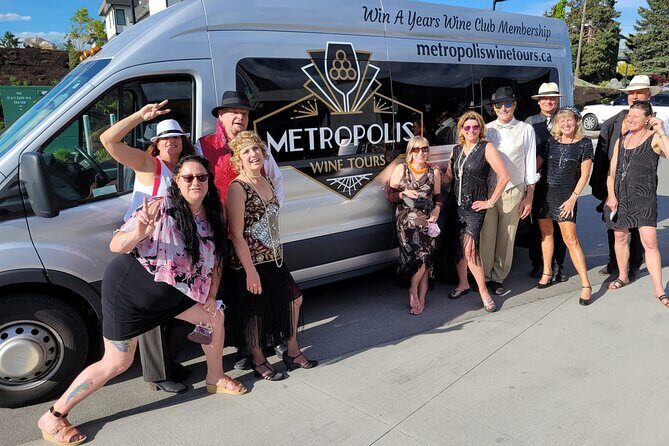
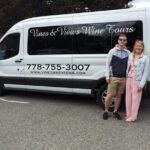
One of the strongest signals from the experience data is how the guide experience lands. The tour is run by Metropolis Wine Tours, and the host Rod comes up as someone who adapts well—flexible, easy to be around, and attentive to the flow of the day.
That matters because a wine tour isn’t just about wine. It’s about timing, pacing, and keeping the group comfortable when plans meet real-life weather, traffic, or simple human conversation.
With a maximum of 14 travelers, you’re more likely to get real questions answered instead of shouting your interest across the room. And in down seasons, the tour can even turn into a more private vibe, which is a big plus if you prefer your tasting day to feel personal rather than scripted.
How to Plan Your Drinking Pace (Without Turning It Into Chaos)
If you want this to stay fun, not foggy, I’d run your day like this:
- Eat something before pickup. Lunch isn’t included, so don’t rely on snacks to carry you.
- Go for variety first, quantity last. You have wines plus cider and honey wine in the mix.
- Pace water. The tour provides bottled water, and you’ll feel the difference if you use it between tastings.
- Keep a simple note system. Even a phone memo works: what you liked and why (acidity, spice, fruit weight). It helps you decide later if you want to buy anything.
Also, remember the tasting-room reality: many places include tasting fees, but ice wine or specialty wines may cost extra. If you’re curious about those styles, budget for it early so it doesn’t feel like a surprise at the end.
Should You Book This Kelowna South Slopes Wine Tour?
I’d book it if you want a practical, guided day that balances serious wine stops with a few memorable curveballs. The pickup-first setup, the small group size, and the fact that most tasting fees are included make it a strong value for an Okanagan half-day.
I wouldn’t book it if you want a slow, no-schedule wine getaway or if you hate any chance of music and lively room energy. This route is timed. It’s meant to move.
If you’re the kind of traveler who likes variety—estate cellars, vineyard philosophies, and at least one surprise like honey wine—this tour fits your style.
FAQ
FAQ
How long is the Kelowna South Slopes Wine Tour?
It’s listed at about 3 to 6 hours total.
What time does the tour start?
The tour start time is 11:00 am.
Is pickup available?
Yes. The tour offers door-to-door pickup at many hotels, B&Bs, vacation rentals, Airbnb stays, and campgrounds, including areas in Kelowna and nearby towns.
Are tasting fees included in the price?
Tasting fees are included at the stops, with a note that ice wine or specialty wines may not be included.
Is lunch included?
No. Lunch isn’t included, though bottled water and snacks are provided.
How big is the group?
The tour has a maximum of 14 travelers.
What happens if the weather is poor?
The experience requires good weather, and if it’s canceled due to poor weather, you’ll be offered a different date or a full refund.