REVIEW · BERTHIER SUR MER
Berthier-sur-Mer: 1000 Razorbill Penguins Observation Cruise
Book on GetYourGuide →Operated by AML Cruises · Bookable on GetYourGuide
A penguin cruise on the St. Lawrence sounds fun—and it delivers. From Berthier-sur-Mer Marina you’re out on the water for about five hours, learning as you go, then you scan for Alca Torda Razorbills breeding on the nearby archipelago islands. I like that it’s not just sightseeing. You get guided wildlife info from onboard ornithologists plus history and geography commentary from the captain.
What I really like is the mix of viewpoints. You can stay sheltered on the solarium and upper deck when weather turns, then step outside for fresh air and better scanning. The second big win is the instruction you receive while looking—when a guide tells you what you’re actually seeing, the experience clicks fast.
One possible drawback to plan for: sightings can’t be guaranteed, and you’re not visiting the islands. Also, while the tour runs in English and French, some parts may feel more French than English depending on the day and flow of the group.
In This Review
- Key Things I’d Bet Your Time On
- Setting Sail in Berthier-sur-Mer: More Than a Launch Point
- Vent des Îles Boat Layout: Where to Stand for Better Sightings
- The Main Event: How Razorbill Watching Works (No Island Visits)
- Getting the Stories Right: Ornithologists + Captains Add Real Value
- Where the Cruise Routes You: Berthier-sur-Mer to the Archipelago Area
- Deck Comfort and Weather Reality: Stay Sheltered, Then Go Outside
- Price and Value at About $73: What You’re Really Paying For
- Language Notes: English, French, and How to Avoid a Frustrating Moment
- What to Bring (and the One Rule That Changes Everything)
- Who This Cruise Suits Best (and Who Might Be Happier Elsewhere)
- Should You Book the Berthier-sur-Mer Razorbill Cruise?
- FAQ
- How long is the Berthier-sur-Mer Razorbill Observation Cruise?
- Where do I board the cruise?
- Is food included on the cruise?
- What languages are available for the guided commentary?
- Can the boat stop on the islands for walking around?
- What payment method is accepted onboard?
Key Things I’d Bet Your Time On
- You’ll learn what Alca Torda Razorbills are doing (breeding behavior and habitat cues) while you search
- Two-deck setup for comfort: sheltered upper spaces plus exterior decks for viewing
- Onboard ornithologists provide wildlife facts instead of generic narration
- Captain commentary adds context about the St. Lawrence River and the shoreline areas
- No island walk means you’re observing from the boat at a respectful distance
Setting Sail in Berthier-sur-Mer: More Than a Launch Point
Berthier-sur-Mer is a handy base if you’re staying in (or near) Quebec City, but the cruise itself feels like a real river outing, not a theme park. The departure point is the Marina Berthier-sur-Mer, on the St. Lawrence’s working coastline.
This matters because you’ll spend less time commuting and more time on the water where the wildlife activity is. And since you’re 45 minutes by drive from downtown Quebec City, it’s a straightforward add-on day—even if you don’t want a full expedition day.
Go in ready to be outside and scanning. Even with commentary in multiple languages, a lot of the value is in spotting birds as they surface, wheel, and settle along the coast.
You can also read our reviews of more tours and experiences in Berthier Sur Mer.
Vent des Îles Boat Layout: Where to Stand for Better Sightings
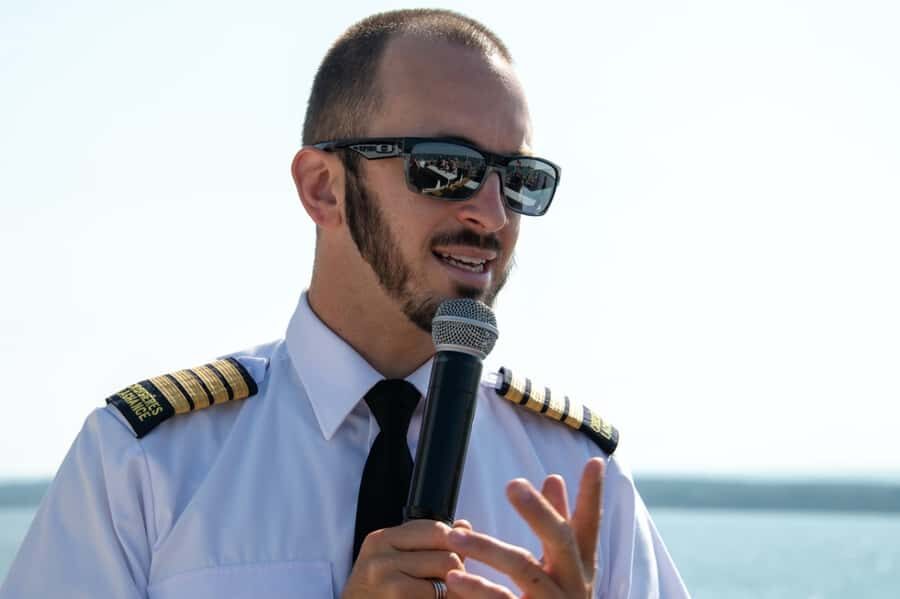
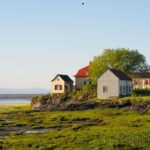
The cruise runs on the Vent des Îles. If you’ve ever taken a boat tour where everyone crowds one side, you’ll appreciate having choices built in.
Here’s the practical setup:
- Lower deck: dining room and lounge, good if you want to warm up, hydrate, or regroup
- Upper deck: wheelhouse area and a solarium where you can watch scenery while staying sheltered
- Exterior decks: fresh air for scanning, plus a better feel for wind and weather
I’d plan to rotate. Start sheltered early when everyone’s still settling in. Then step outside when the captain points out where to look. You’ll see more when you’re comfortable, and comfort keeps you focused.
Also, because the island viewing is done from the boat, your angle matters. Try not to get boxed in by the loudest group at the rail. Move a little if you need a clearer line of sight.
The Main Event: How Razorbill Watching Works (No Island Visits)
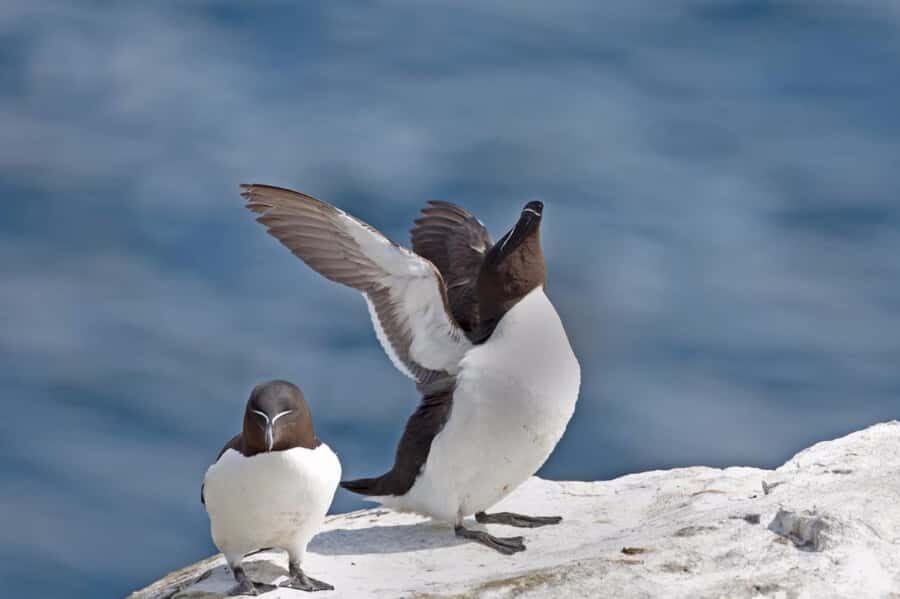
The headline is the Alca Torda Razorbills, small seabirds that come in large numbers from the eastern St. Lawrence region to breed on islands in the archipelago. The tour’s wording leans toward the penguin vibe, but the key point for your expectations is this: you’re watching seabirds using coastal islands as breeding habitat.
Here’s the important part of the “how”:
- You stay onboard. There’s no stopping on the island.
- Observation happens while the boat cruises in the area.
- Guides explain what you’re seeing, so you’re not just guessing.
That no-island rule is for birds and environment—and it’s the reason your view stays ethical and consistent. It also means your best photos and best views depend on distance, lighting, and patience.
What you should mentally prepare for: sightings can be bursty. Birds may be visible for a few seconds at a time, then disappear behind the same waves and shoreline features. Your job is simple: keep scanning without getting tunnel vision.
Getting the Stories Right: Ornithologists + Captains Add Real Value
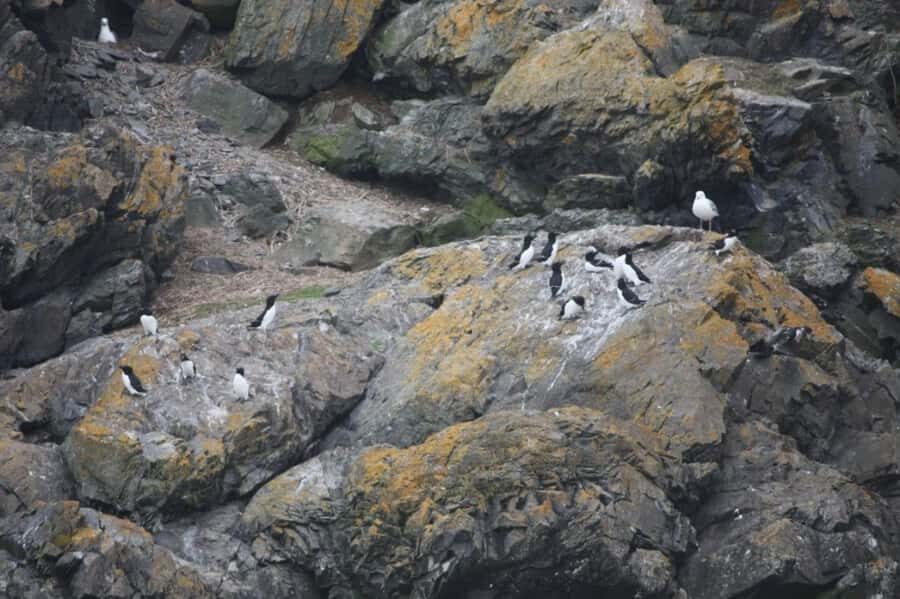
This isn’t only about seeing birds. It’s about understanding the St. Lawrence River as a living system.
On the wildlife side, the cruise includes professional guides and ornithologists onboard who share fun facts and deeper info about the wildlife. That’s a big deal because it changes how you watch. Instead of “penguins, yay,” you start noticing cues like where birds are likely to gather and what behaviors connect to breeding season.
Then there’s the captain’s narration—covering geography, history, and culture around the river. That kind of commentary makes the scenery feel less random. You’re not just looking at shoreline shapes. You’re learning how people and nature shaped this stretch of water.
In my view, that’s where the five hours earns its keep: the cruise fills time with meaning, not just motion.
Where the Cruise Routes You: Berthier-sur-Mer to the Archipelago Area
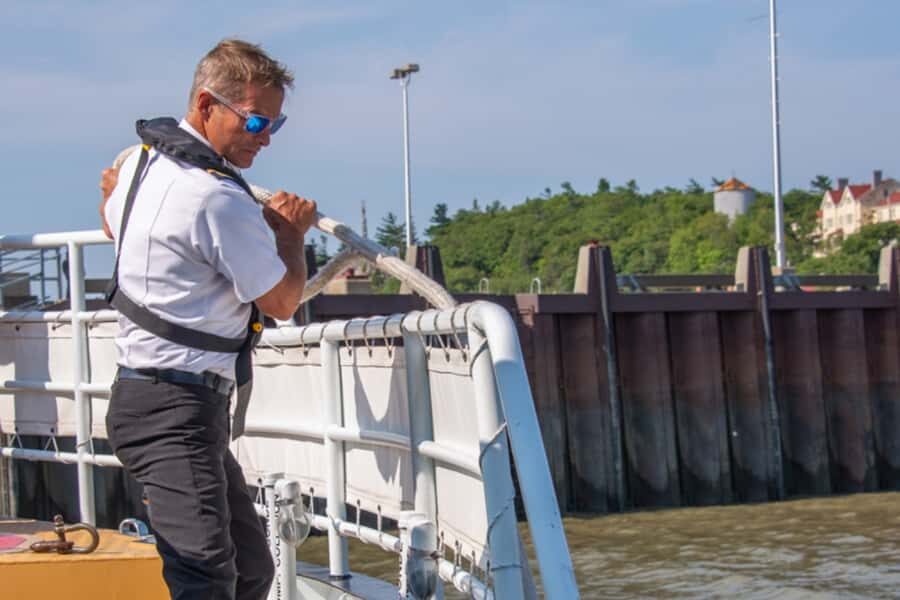
You sail from Berthier-sur-Mer Marina down the St. Lawrence toward the archipelago zone where the breeding activity happens. The boat is designed so you can watch the river and then focus your eyes on the birds when the captain and guides call it out.
One thing to plan for: the cruise route may include moments where you’re near different points on the islands/shoreline, including Grosse-Ile. If that word is unfamiliar to you, don’t worry—but do keep your eyes on instructions. A near-miss can happen when people assume a shoreline moment is a chance to get off the boat.
My practical advice: stay onboard until you’re explicitly told otherwise. If you want photos, zoom in and shoot quickly when the birds are visible. Moving around too much during a busy call-for-attention moment can cost you the best sightings.
Deck Comfort and Weather Reality: Stay Sheltered, Then Go Outside
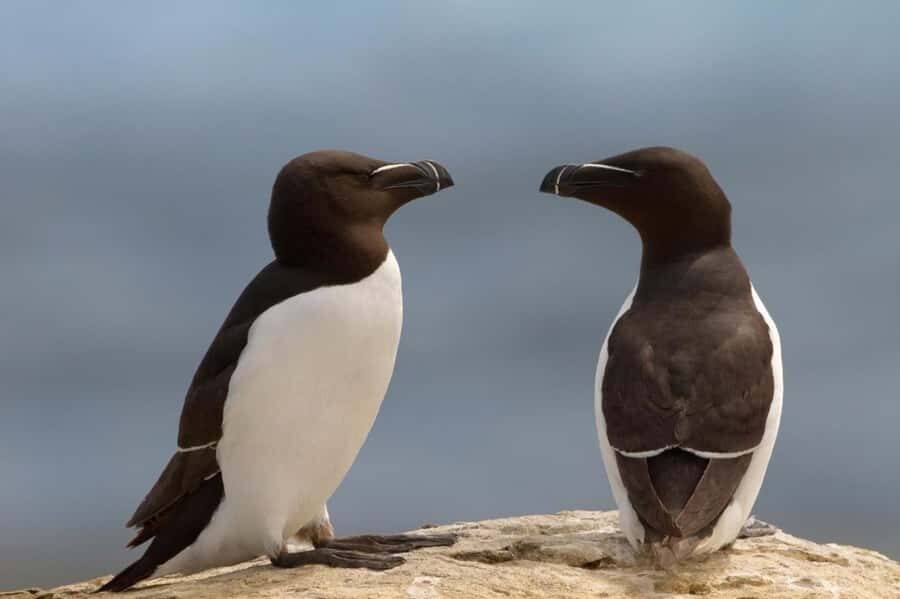
A St. Lawrence cruise can swing between pleasantly cool and loudly breezy. The good part is that Vent des Îles gives you options.
Use this rhythm:
- If it’s bright and hot, head for the solarium or lower lounge breaks
- If you’re trying to spot birds, spend time on an exterior deck when the captain cues the action
- When people cluster around one spot, switch positions slightly rather than fighting the crowd
Also pack like it’s a sightseeing boat, not a city museum. Sunscreen and sun protection matter. You’re on open water with wind that can fool you into feeling less sun than you’re actually getting.
Price and Value at About $73: What You’re Really Paying For
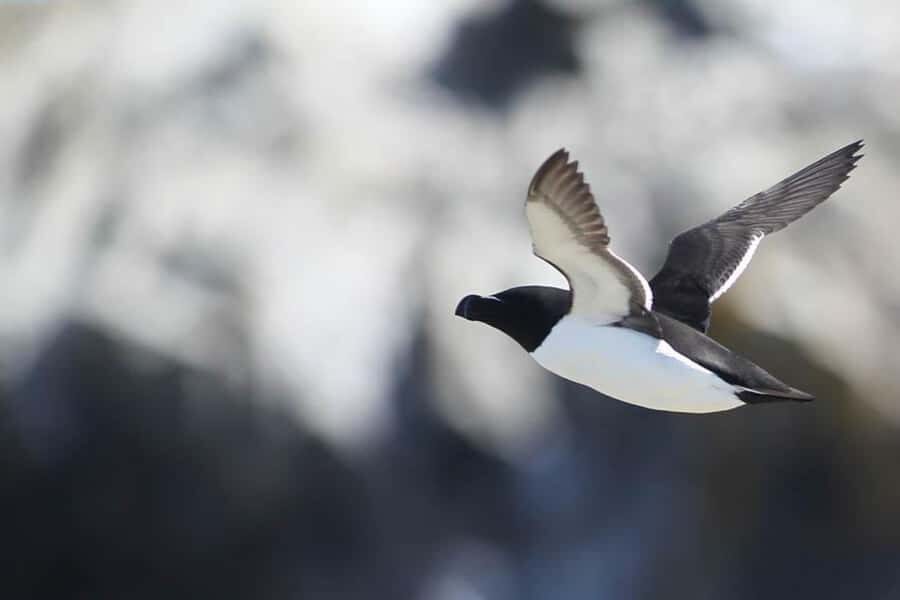
At roughly $73 per person for a five-hour cruise, this is priced like a specialized nature outing, not a cheap “sit on a boat” ride. The value comes from three things you don’t always get together:
- Ornithologists onboard (so you’re not just listening to a script)
- Bilingual commentary in English and French
- A guided wildlife format built around observing birds from the vessel
If your goal is to casually stroll a marina and take random photos, you could skip this. But if you want a guided wildlife experience where you know what you’re looking at, it’s a fair price for the time on the water.
One more value angle: you’re paying for the boat positioning and timing. Since you can’t land on the islands, the boat’s approach and the guides’ cueing are the “service.” That’s what you’re buying.
Language Notes: English, French, and How to Avoid a Frustrating Moment
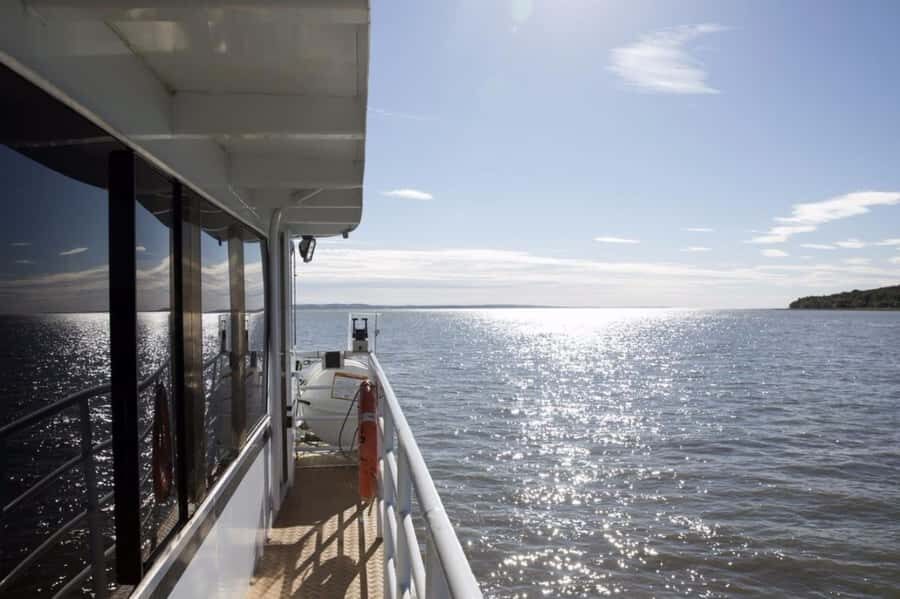
The tour offers English and French commentary. That’s the baseline.
Still, here’s my straight talk: if you don’t understand French at all, I’d treat this as a potential risk. Nature tours can shift emphasis depending on where guides are focusing and how the group is listening. Even on bilingual tours, one language can carry more weight during key moments.
So if you’re English-first, do two things:
- Listen early to learn the guide’s rhythm and scanning instructions
- Ask yourself if you can follow at least the basics in French during wildlife talk
It’s totally fine if you’re not fluent. But going in knowing some French words for birds, behavior, and location points will make the experience feel smoother.
What to Bring (and the One Rule That Changes Everything)
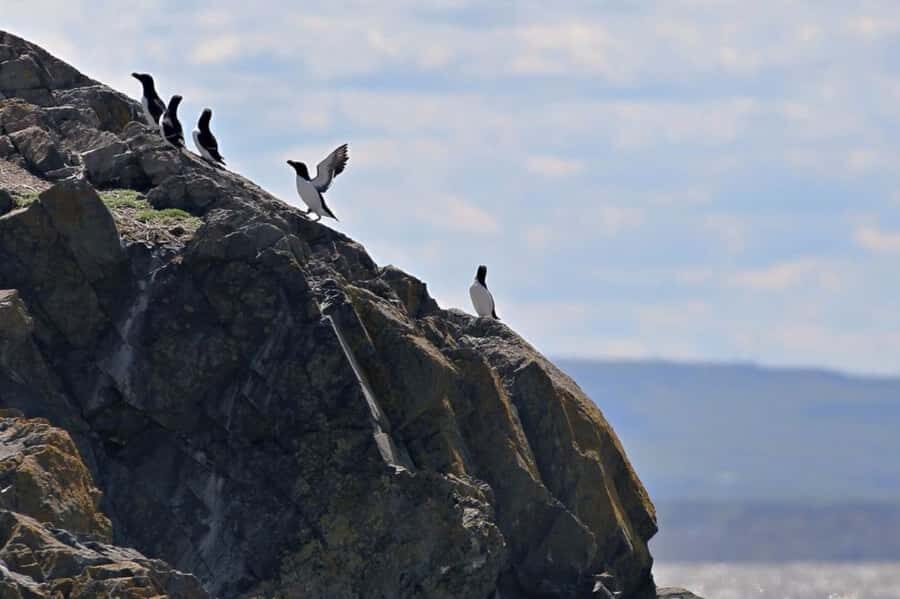
Bring a small kit and you’ll be happier:
- Sun hat
- Camera
- Sunscreen
- Credit card (cash isn’t accepted onboard)
Two other “rules-of-thumb” that matter:
- No food or drinks are included. The stated policy is that food and drinks aren’t part of the onboard offering.
- No island stopping means you should plan for this as an onboard viewing experience, not a landing experience.
You might hear that some people ignore rules on small details. I wouldn’t plan your day around that. If you want a smooth experience, follow the rules, keep things simple, and focus on the viewing.
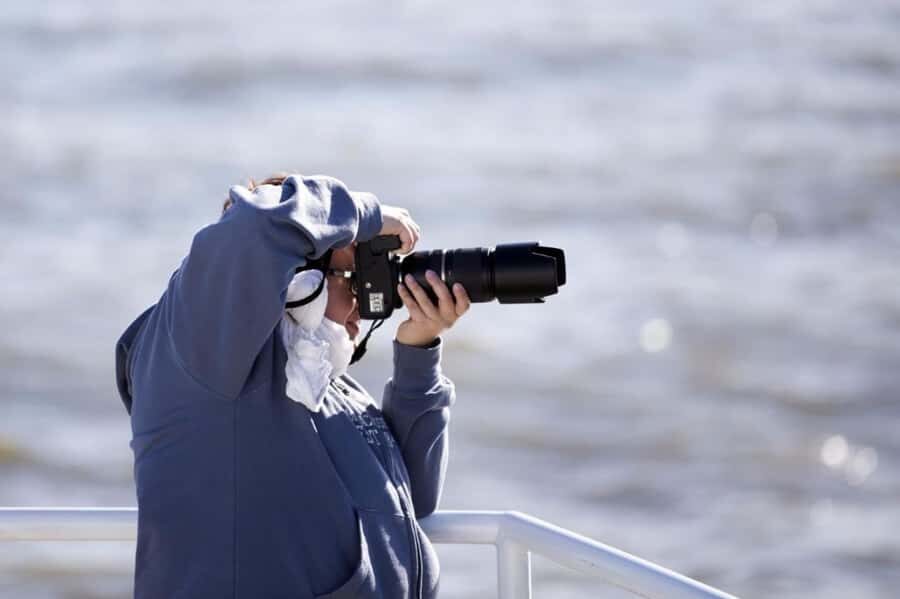
If you care about bird details, remember that the boat must keep distance from breeding areas. A lot of viewers do best when they have the right tools—so if you’re serious about photos, consider bringing equipment suited for shooting small subjects at distance.
Who This Cruise Suits Best (and Who Might Be Happier Elsewhere)
This is a great fit if you:
- like guided nature experiences with specific wildlife explanations
- want a half-day activity from Quebec City without a complicated multi-day plan
- enjoy being outside but want options for shelter
- care about learning the St. Lawrence River’s human and natural story
It’s less ideal if you:
- need guaranteed, close-up views every minute (this is distance-based viewing)
- only want English commentary and can’t follow French at all
- prefer tours where you step off onto islands or into restricted areas (this one stays onboard)
The best mindset is patience. Birds don’t perform on schedule. The guides help you interpret what you see, which is why this tour works.
Should You Book the Berthier-sur-Mer Razorbill Cruise?
I’d book this if you want a guided, story-led bird cruise with onboard expertise and a comfortable boat setup. At about $73 for five hours, it’s good value when you’re there for the wildlife learning and the river context—not just the photos.
I’d also think twice if language comfort is a dealbreaker for you or if you’re the type who gets upset by distance and “scan-and-wait” bird watching. On this cruise, you’re observing from the boat, and the pacing reflects that.
If you’re flexible, bring sun protection, and stay alert during the captain’s cues, you’ll likely come away with a better understanding of why these Alca Torda Razorbills turn this stretch of the St. Lawrence into a breeding corridor.
FAQ
How long is the Berthier-sur-Mer Razorbill Observation Cruise?
It lasts about 5 hours, including the time on the water.
Where do I board the cruise?
You board at the Marina Berthier-sur-Mer. Arrive about 30 minutes before the start time.
Is food included on the cruise?
No. Food and drinks are not included.
What languages are available for the guided commentary?
The commentary is offered in English and French.
Can the boat stop on the islands for walking around?
No. To protect the environment and the birds, there is no stopping on the island—viewing is done from onboard.
What payment method is accepted onboard?
The tour uses credit card only. Cash is not accepted on board.