REVIEW · TORONTO
4-Day Canadian Camping Road Trip (“Moose On The Loose”)
Book on Viator →Operated by Lake Fever Wilderness Co. · Bookable on Viator
Moose spotting starts before you even hit the trail. This 4-day camping road trip strings together some of Ontario’s best-known parks for wildlife—and it does it with a calm, well-run plan where you’re hiking, paddling, and learning as you go. I love the focus on moose-first moments (camera ready, big park options, and guided time outdoors). I also like that you get real camping support: gear rental, organized hikes, meals handled on most days, and a guide who keeps things friendly and practical—Damian is a standout name tied to the experience. The one drawback to keep in mind: you’ll cook and help with dishes at least once, and the food is vegetarian except restaurant meals, so plan your expectations.
You’re paying for more than “a bed in a tent.” You’re paying for a full rhythm—transport, park fees, tents and sleeping gear, canoe rental, campfire extras, and guided hikes—so you can show up without doing the heavy planning math. If you’re the type who loves nature but hates logistics, this format is built for you. If you want zero teamwork in camp, or you need pillows and private-tent peace by default, this may feel like work.
In This Review
- Key points to know before you go
- Moose On The Loose: what you’re really buying for $634.83
- Toronto to northern Ontario: group format, fitness, and tent reality
- Day 1: Huntsville lunch stop and Algonquin campfire training
- Huntsville stop for a lakeside break (lunch not included)
- Algonquin Provincial Park: tent setup, beach games, and s’mores coaching
- Day 2: Beaver Pond Trail loop and Canoe Lake paddling
- Beaver Pond Trail (2.0 km loop in about 45 minutes)
- Portage Outpost: canoe time on Canoe Lake (not included)
- Day 2 again: Killbear Provincial Park for sunset and a late rhythm
- Day 3: Parry Sound supplies, then Killarney’s George Lake beach time
- Parry Sound: grocery stop and restaurant lunch (not included)
- Killarney Provincial Park: camp setup and George Lake
- Day 4: The Crack hike in Killarney for wildlife chances and big views
- Moose spotting without guesswork: how this route boosts your odds
- Food and camp life: vegetarian by default, teamwork required
- The value side: why this trip feels easier than DIY
- Who should book Moose On The Loose
- Should you book this camping road trip from Toronto?
- FAQ
- FAQ
- What’s included in the price?
- Are meals vegetarian?
- Do I need to bring camping gear?
- Will I have to help with camp chores?
- How strenuous is it?
- Is there canoeing?
- Does the trip use a private tent?
- How many people are on the trip?
- What if weather is bad?
- Can I cancel and get a refund?
Key points to know before you go
- Small-group pace (max 13) that still keeps the days full and outdoors-focused
- Moose-meeting odds built around parks famous for wildlife viewing in northern Ontario
- Damian-led guidance with a laid-back style that works especially well for first-time campers
- Gear and park fees included (tent, sleeping bag, sleeping pad, camping fees, park entry)
- Vegetarian camp meals by default, with restaurant lunches as the exception
Moose On The Loose: what you’re really buying for $634.83
At $634.83 per person, the headline cost can look steep until you tally what’s actually covered. You’re not just buying a campsite. You’re getting the vehicle (with air-conditioning), tent + sleeping bag + sleeping pad rental, camping and park entry fees, and the guided outdoor programming (including at least 3 guided hikes). On top of that, the trip builds in canoe time with shared canoe rental, plus campfire-style treats like s’mores (weather permitting) and stargazing (weather permitting).
This is also one of those “value through relief” trips. You don’t have to decide where to sleep, how to carry gear, or how to line up park access. You show up for an 8:00 am start in Toronto, then the plan carries you—lunches at restaurants aside.
One other financial reality check: you’re likely to spend a bit of extra cash on what’s explicitly not included (like snacks, tips, and at least one canoe component listed as not included). Still, compared to DIY camping—where park permits, equipment rentals, transportation, and time all add up—this package is built to be price-justified if you want structure.
A few more Toronto tours and experiences worth a look
Toronto to northern Ontario: group format, fitness, and tent reality
The trip starts at 2280 Dundas St W, Toronto, with an 8:00 am departure. The group stays small (up to 13 people), which matters because camping road trips can either feel like chaos or like a shared adventure. Here, the size supports hands-on help during setup and during hike days.
You’ll need moderate physical fitness. That doesn’t mean “athlete only.” It does mean you should be comfortable walking on trails and handling a couple of longer outdoor blocks. The longest hike day is the challenging Killarney hike on Day 4, listed as 4 hours, and there’s a note that it may be swapped for another similar hike.
Now for the tent setup—this is important. If you’re not buying the Solo Tent package, solo travelers are paired to share a 4-person tent. Pairings are based on sex, and couples and families are placed together automatically. Also, pillows are not included, so you’ll want to budget for that unless the rental lineup you’re offered in practice changes for your departure (the data here says pillows aren’t part of what’s included).
Day 1: Huntsville lunch stop and Algonquin campfire training
Day 1 is where the trip sets its tone: a scenic warm-up, then immediate park immersion.
Huntsville stop for a lakeside break (lunch not included)
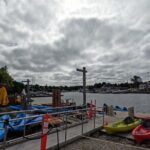
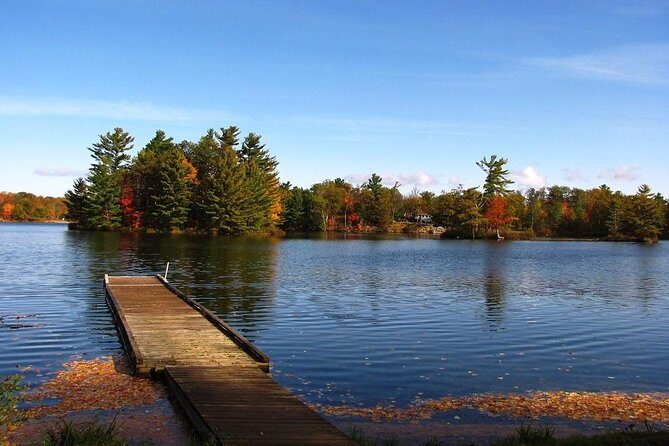
You’ll stop in Huntsville for lunch at a lakeside restaurant in cottage country. On hot days, the marina patios are a great bet. You’ll also have optional time to browse small town shops or jump into the lake if the schedule allows. The lunch here is not included, so treat this as your first on-the-road budget moment.
Why this stop works: it’s early enough to stretch your legs after pickup, but it’s close to your next move—so you don’t feel like you’ve spent the whole day in transit.
Algonquin Provincial Park: tent setup, beach games, and s’mores coaching
Then it’s Algonquin Provincial Park, an enormous 7,653 square kilometres, and one of the big draws for moose spotting. The plan arrives at camp and starts with a short tent setup demo—this is a smart move for first-timers because it reduces the “we’re all figuring it out at night” stress.
After that, you get real free time: sun, relaxing in camp, and a planned camp activity. One of the playful touches is beach bocce ball with a regulation set. It sounds simple, but it’s exactly the kind of structured downtime that helps a group bond without turning your day into a checklist.
Dinner includes a chef/guide-prepared meal when you return, and the night ends with a group campfire where newcomers get taught how to make s’mores (weather permitting). If you’re worried about learning camping basics, Day 1 is built to lower the learning curve.

Day 2: Beaver Pond Trail loop and Canoe Lake paddling
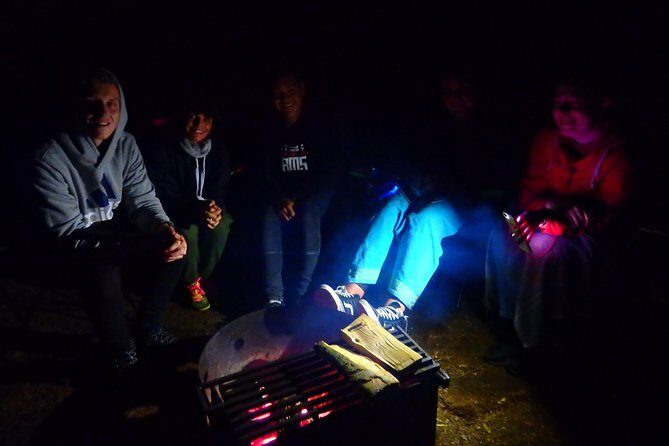
Day 2 starts with a classic “you’re in the woods now” routine: big continental breakfast plus morning coffee, then a hike that’s short enough to feel achievable but scenic enough to remember.
Beaver Pond Trail (2.0 km loop in about 45 minutes)
This is a 45 minute hike with a 2.0 km loop that visits a real beaver pond and includes a lookout. The key here is that it’s not “all effort, no payoff.” You get the woodland colors, the pond setting, and the payoff view without needing a full-day endurance mindset.
If you’re bringing your camera, this is an excellent slot because you’ll move slowly enough to pause, look, and frame shots when you see activity.
Portage Outpost: canoe time on Canoe Lake (not included)
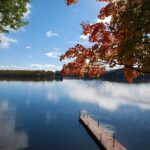
Next you get paddling on Canoe Lake, linked to the famous paintings of Tom Thomson. This part is peaceful by design: you’re out on the water, hearing birds calling, and listening for the splash of your paddle.
The note here is that this stop lists 2 hours with a canoe-related component marked as not included. In practice, the tour still includes shared canoe rental, so expect you’re getting canoe access as part of the outing. If you want to be extra safe, confirm what exactly is counted as not included before you assume everything is covered.
Day 2 again: Killbear Provincial Park for sunset and a late rhythm
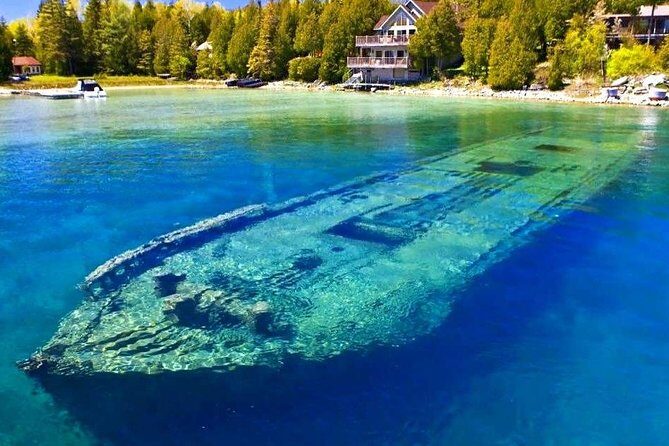
Later on Day 2, you head to Killbear Provincial Park. Here the schedule turns into: arrive, throw together dinner, then shift into a campfire evening.
One thing to plan for: dinner may land around 8:00 pm, which means you don’t end your day early. If you hate late meals after long travel, this can feel like a “why so late?” moment. If you’re okay with a slower night pace, the sunset and camp vibe are likely to be the point.
Day 3: Parry Sound supplies, then Killarney’s George Lake beach time
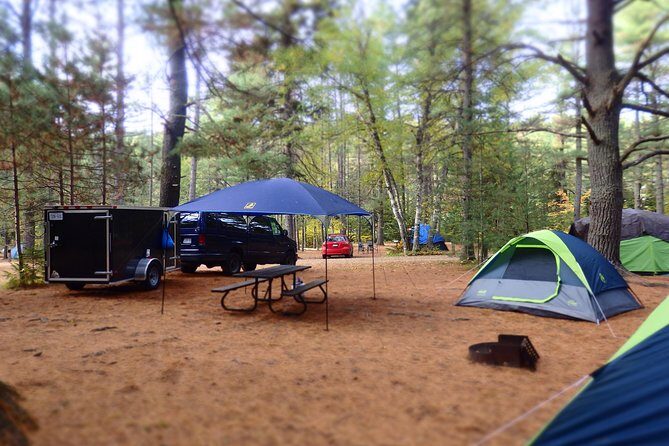
Day 3 has two distinct modes: supplies and lunch outside the included plan, then a true nature day.
Parry Sound: grocery stop and restaurant lunch (not included)
You’ll stop in Parry Sound for groceries, then have a hot lunch at Trestle Brewing Company (listed with lunch as not included). This is your cue to grab anything personal you want in camp later—snacks, extra drinks, or simple convenience items—because snacks aren’t included.
Killarney Provincial Park: camp setup and George Lake
Next is Killarney Provincial Park with a stated 645 square kilometres of wilderness. You set up camp, then make it a beach day at George Lake before supper and bed. This is the kind of day where you’re not always moving, and that matters after hiking and paddling.
The value here is balance: you still get nature intensity, but you also get time to sit, swim, or just let the day slow down.
Day 4: The Crack hike in Killarney for wildlife chances and big views
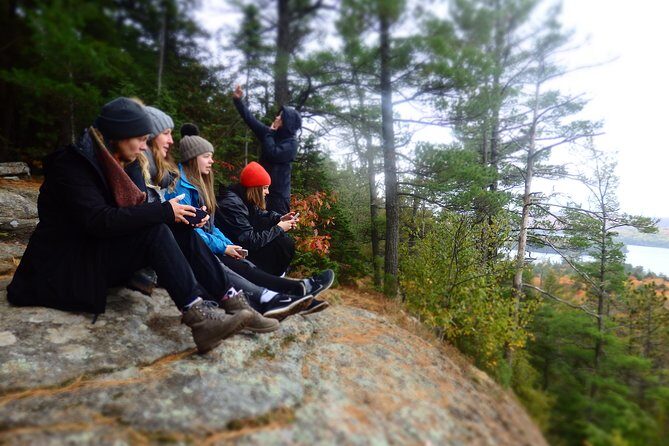
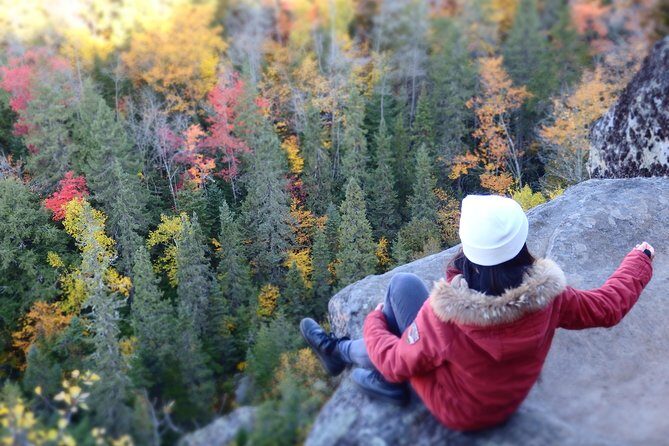
Your final morning is built around a hike that’s labeled challenging: The Crack in Killarney. It’s listed as a 4-hour experience, and the goal is both wildlife spotting and peace of mind.
If cameras are your thing, the payoff is at the top: a view of the entire skyline that you’ll want to see from above. There’s also a note that The Crack may be substituted with another similar hike, so keep your expectations flexible. The important part is that you’re still getting the same kind of rugged, view-focused finale.
This is also where the moose theme feels most practical. You’re higher, you’re scanning, and you’ve got your camera ready—exactly what the trip emphasizes: keep it on hand for moose and other wildlife moments.
Moose spotting without guesswork: how this route boosts your odds
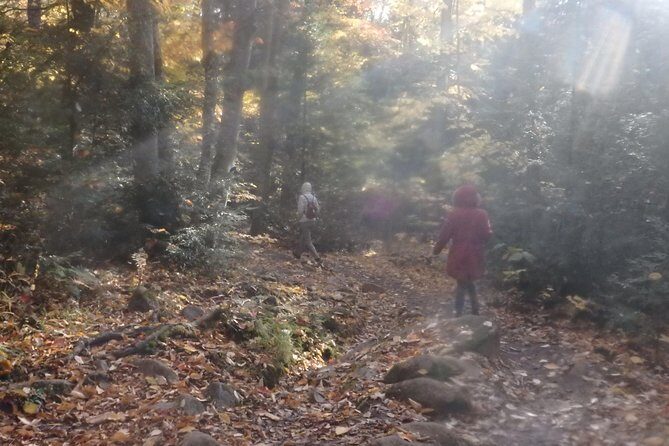
Moose spotting is the headline, but it’s not treated like a lottery ticket. The trip builds in two things that improve your chances: time in the right places and guided structure.
Algonquin Provincial Park is described as a top choice for moose spotting, and the park’s size alone tells you why: more space typically means more opportunities for wildlife encounters. Then your route keeps you moving through other northern Ontario parks—each one giving you different terrain, water access, and trail angles.
Here’s how to make the most of your wildlife time. Keep your camera ready for sudden changes, especially during hikes and near water. Don’t treat wildlife like a “only at sunrise” rule; you’ll be out across the day, and moose can show up when you’re least hunting for them—so staying alert matters. Also, follow your guide’s lead on pace and quietness; you’re part of a group outing, and small behavior shifts help you see more.
Food and camp life: vegetarian by default, teamwork required
One of the clearest rules: all meals (aside from restaurant meals) will be VEGETARIAN. That’s great if you eat vegetarian already. If you don’t, it’s still manageable, but you should treat this as a real menu constraint, not a mild suggestion.
You’ll have 3 breakfasts, 2 lunches, and 3 dinners included. Restaurant lunch stops happen on Day 1 and Day 3, and those are not included. This is one of the reasons the trip feels “civilized camping”: you’re not doing every meal from scratch, but you’re still part of camp life.
There’s also a participation expectation. You should be ready to help with campsite cooking and dishwashing at least once. That’s not optional trivia; it’s how camp stays running.
S’mores and stargazing are both weather permitting, so if the sky turns moody, you might miss them. Still, campfires and the general evening rhythm are part of the plan.
Also remember: snacks aren’t included, and pillows are not included. Pack accordingly so you don’t end up improvising.
The value side: why this trip feels easier than DIY
I like this trip for people who want the outdoors but don’t want the “gear, route, permits, and timing” job. With tent + sleeping bag + sleeping pad rental, you can travel light for camping gear. With park entry and camping fees included, you avoid the bureaucratic side of planning.
Transport is handled by an air-conditioned vehicle, which matters in the Ontario summer heat and on long road days. The guide program is also built in. You get at least 3 guided hikes, plus camp setup guidance and a campfire rhythm.
Then there’s the human value—Damian. Multiple accounts highlight his friendly, informative, laid-back style and his ability to handle first-timers, including a great tone with an 11-year-old. That kind of guide energy matters more than people think. When you’re tired, cold, or unsure how camping works, a calm leader makes the difference between “hard” and “memorable.”
Who should book Moose On The Loose
This fits best if you want:
- Guided hiking and nature time without doing the planning
- Moose and wildlife-focused stops in northern Ontario parks
- Camping support with equipment handled for you
- A group size small enough to feel personal, not crowded
It’s not the best match if:
- You dislike shared camping spaces or you need a guaranteed private tent
- You’re not okay with helping cook or wash dishes
- You need non-vegetarian meals included across the board (the camp portion is vegetarian by default)
Should you book this camping road trip from Toronto?
If you’re craving a real camping-road-trip mix—hikes, canoe water time, campfires, and moose-focused park hopping—this is a strong choice. The value lands best when you compare it to DIY, because it reduces the big friction points: gear rental, park fees, transportation, and day-to-day planning.
If you want to camp but feel intimidated by logistics, this trip is designed to meet you there. If you prefer a fully independent, private-camp experience with zero teamwork, you may want to look elsewhere.
FAQ
FAQ
What’s included in the price?
The price includes an air-conditioned vehicle, tent plus sleeping bag plus sleeping pad rental, park entry and camping fees, GST, breakfasts (3), dinners (3), and lunches (2), plus s’mores by campfire (weather permitting), at least 3 guided hikes, stargazing (weather permitting), and shared canoe rental. Restaurant meals on Day 1 and Day 3 are not included.
Are meals vegetarian?
Yes. All meals aside from the restaurant meals will be vegetarian.
Do I need to bring camping gear?
You don’t need to bring the big items listed as rentals: tent, sleeping bag, and sleeping pad are provided. Pillows are not included.
Will I have to help with camp chores?
Yes. You’re expected to participate in cooking and dishwashing at least once.
How strenuous is it?
The tour calls for moderate physical fitness. There’s a challenging hike on Day 4 (The Crack) listed at about 4 hours, and other guided hikes earlier in the trip.
Is there canoeing?
Yes. You’ll have the opportunity to paddle on Canoe Lake with shared canoe rental.
Does the trip use a private tent?
Not by default. Unless you select a Solo Tent package, solo guests are paired to share a 4-person tent, with pairings based on sex. Couples and families are placed together.
How many people are on the trip?
The maximum group size is 13 travelers.
What if weather is bad?
The experience requires good weather. If it’s canceled due to poor weather, you’ll be offered a different date or a full refund. S’mores and stargazing are both weather permitting.
Can I cancel and get a refund?
Yes. You can cancel up to 6 days in advance for a full refund. Shorter-notice cancellations follow the listed partial/full refund schedule, and changes made within the cutoff windows aren’t accepted.
If you tell me your travel month and whether you’re a first-time camper, I can help you decide if this pace and the vegetarian camp setup will feel like a perfect fit.